

Modern residential buildings increasingly require compact and flexible vertical accessibility solutions.
A pitless lift is one of the most practical alternatives to traditional elevators because it can be installed without a deep elevator pit or large machine room.
These systems are widely used in duplex homes, villas, renovated buildings, and projects with limited construction space.
Unlike conventional elevators, pitless home lifts reduce structural modifications while still providing safe and comfortable movement between floors.
In this guide, we will explain how pitless lifts work, their different types, installation requirements, dimensions, advantages, pricing, and the differences between pitless lifts and traditional elevators.
Table of Contents
What Is a Pitless Lift?
A pitless lift is a modern vertical transportation system designed to operate without the deep elevator pit required in traditional elevators.
These lifts are commonly used in residential buildings, duplex homes, villas, and renovation projects where structural limitations make conventional elevator installation difficult.
Most pitless home lifts are compact, space-saving, and easier to install because they require minimal construction work.
Why Are Pitless Lifts Popular?
The growing demand for home accessibility and modern architectural design has increased the popularity of pitless lifts.
- Minimal structural modification
- Faster installation process
- Compact design
- Modern appearance
- Suitable for elderly users
- Ideal for renovation projects
Where Are Pitless Lifts Used?
These systems are widely installed in:
| Building Type | Common Use |
|---|---|
| Duplex Houses | Comfortable floor access |
| Luxury Villas | Modern accessibility solution |
| Old Buildings | Renovation and modernization |
| Small Commercial Spaces | Compact vertical transport |
Pitless Lift vs Traditional Elevator
Unlike traditional elevators, pitless lifts usually do not require:
- Deep excavation
- Large machine rooms
- Heavy structural changes
- Extensive construction work
This makes them an excellent solution for homes with limited installation space.
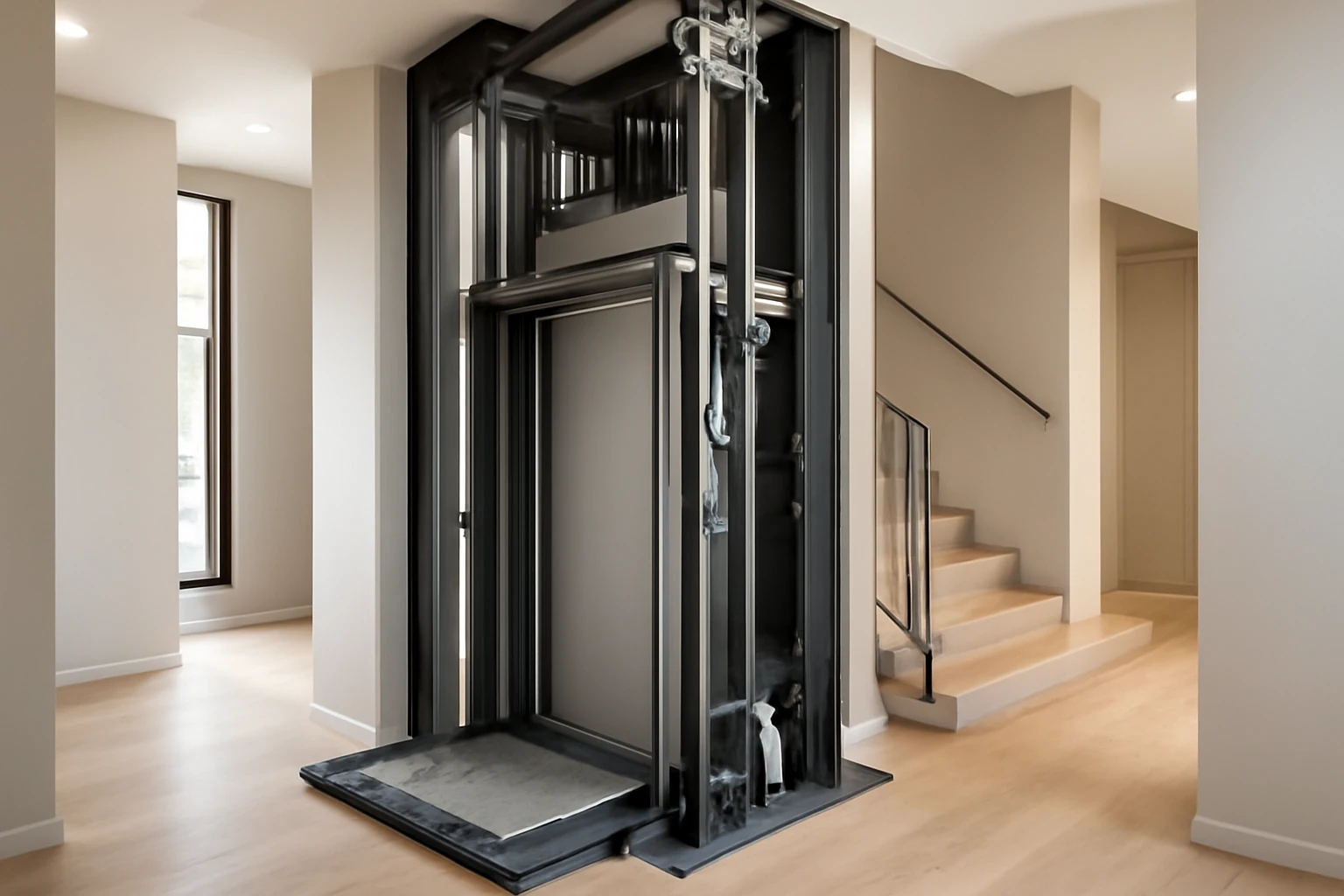
If you want to explore residential accessibility systems in more detail, we recommend reading the Complete Home Lift Guide .
How Does a Pitless Lift Work?
A pitless lift operates using compact vertical transportation technology designed to eliminate the need for a deep elevator pit.
Depending on the system type, the lift may use hydraulic, traction, or pneumatic technology to move the cabin smoothly between floors.
Lift Movement System
Most pitless home lifts move along guide rails installed directly on the building structure or a self-supporting frame.
- Hydraulic piston systems
- Electric traction motors
- Vacuum air pressure technology
- Compact rail-mounted mechanisms
These technologies reduce installation complexity while maintaining safe and stable movement.
Why No Deep Pit Is Needed
Traditional elevators require deep excavation below floor level to accommodate mechanical components and cabin clearance.
In contrast, pitless lifts are engineered with low-profile platforms and compact drive systems that require little or no pit depth.
| Feature | Pitless Lift | Traditional Elevator |
|---|---|---|
| Pit Requirement | Minimal or none | Deep pit required |
| Construction Work | Limited | Extensive |
| Installation Speed | Faster | Slower |
Safety Features
Modern pitless home lifts include advanced safety systems to ensure secure operation.
- Emergency stop system
- Battery backup
- Door interlock safety
- Obstacle detection sensors
- Overspeed protection
These features make pitless lifts suitable for elderly users and people with mobility limitations.
Types of Pitless Lifts
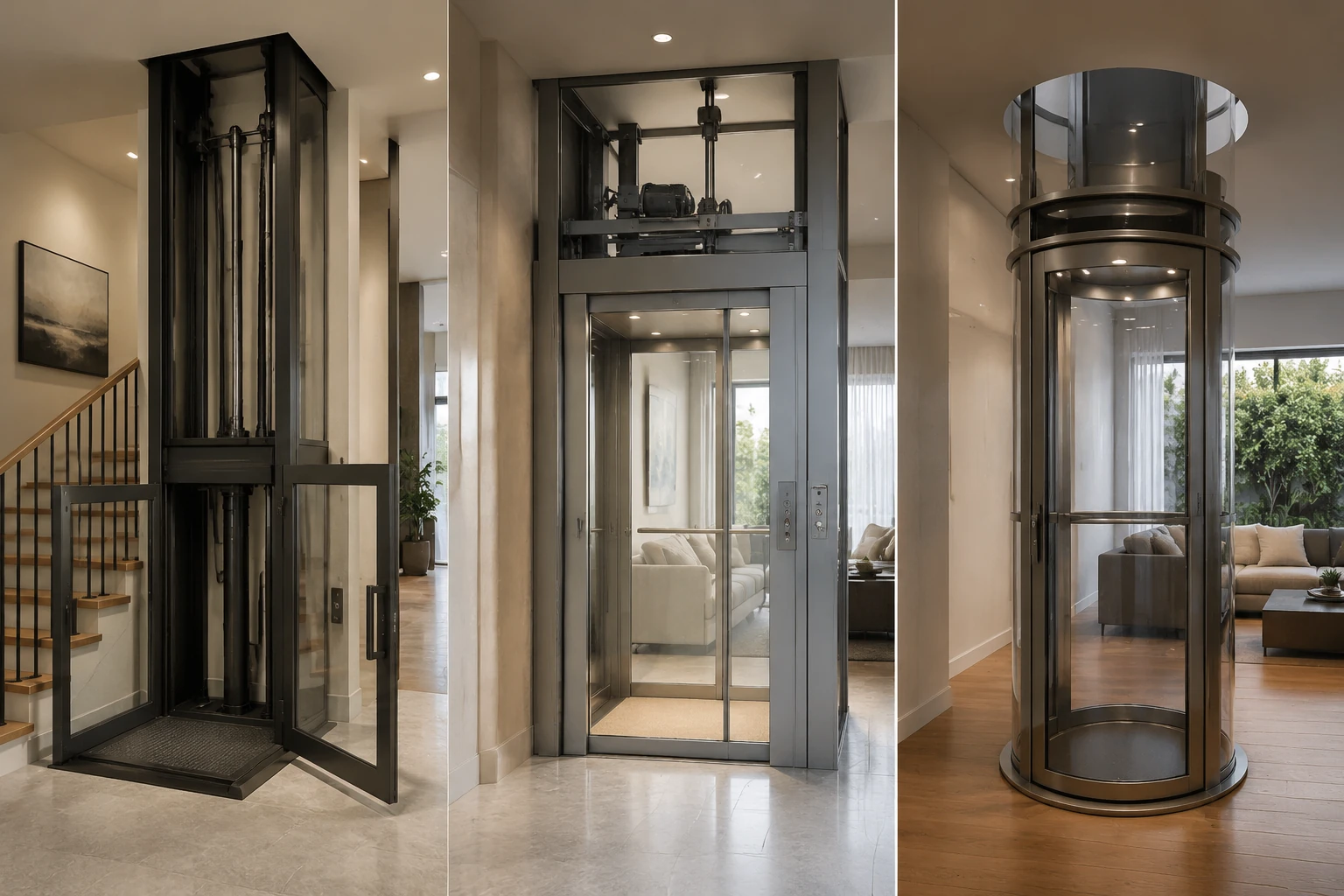
There are several types of pitless lifts, each designed for different building requirements, architectural styles, and accessibility needs.
Choosing the right system depends on factors such as available space, number of floors, budget, and desired design.
Hydraulic Pitless Lift
A hydraulic pitless lift uses hydraulic pressure and a piston mechanism to move the cabin vertically.
This is one of the most common options for residential buildings because it offers smooth and quiet operation.
- Smooth ride quality
- Quiet operation
- Suitable for duplex homes
- Reliable performance
- Simple installation
Traction Pitless Lift
A traction pitless lift operates using an electric motor and cable-driven system.
Compared to hydraulic models, traction systems usually provide higher speed and improved energy efficiency.
| Lift Type | Main Advantage | Common Application |
|---|---|---|
| Hydraulic | Smooth movement | Homes and villas |
| Traction | Higher speed | Multi-floor buildings |
Vacuum Pitless Lift
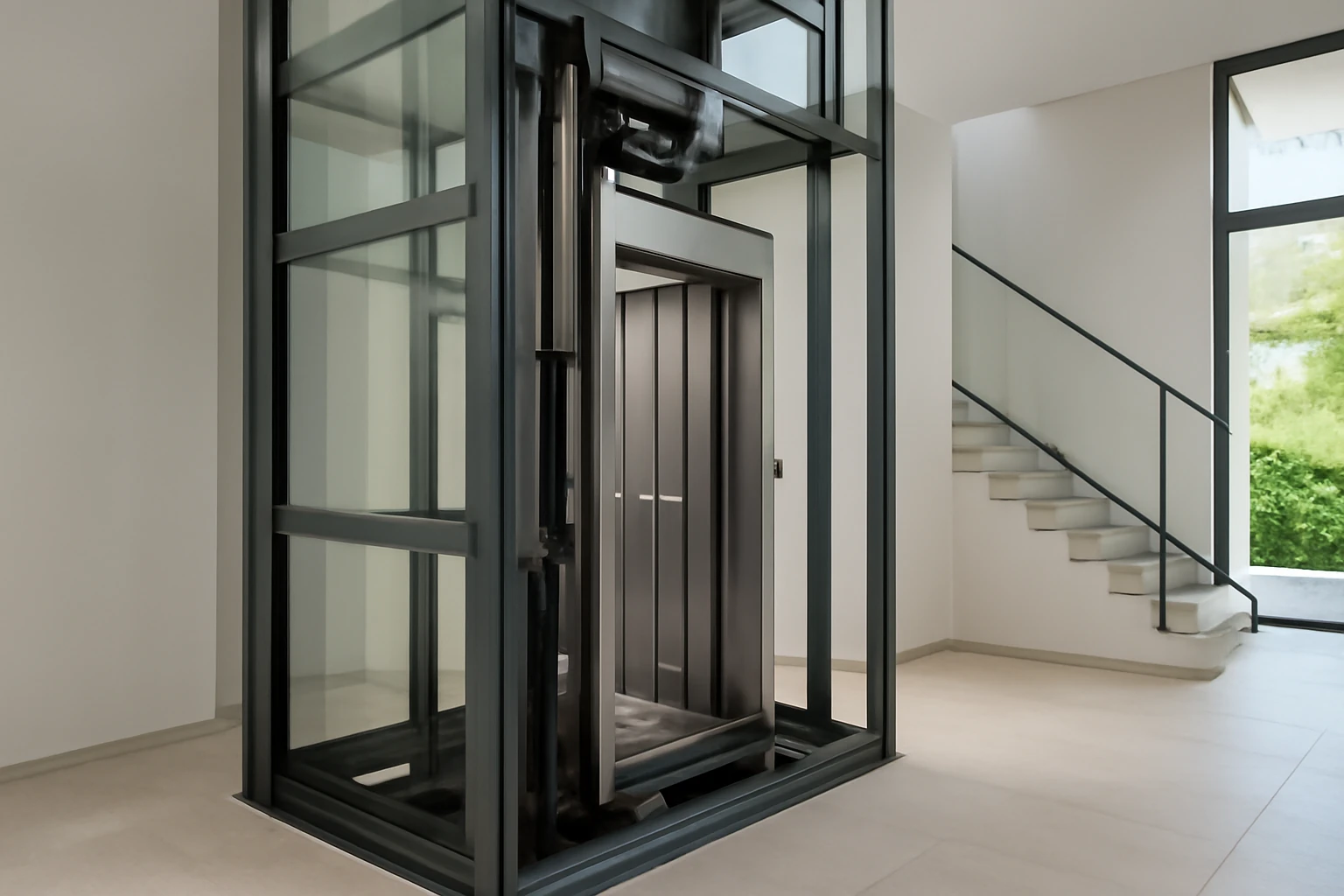
A vacuum pitless lift, also known as a pneumatic lift, uses air pressure technology for vertical movement.
These lifts are popular in luxury homes because of their futuristic glass design and minimal space requirements.
- No machine room required
- Modern glass appearance
- Fast installation
- Compact footprint
- Luxury architectural style
Advantages of Pitless Lifts
The growing popularity of pitless lifts is mainly due to their compact design, simplified installation process, and reduced structural requirements.
These systems provide an efficient vertical accessibility solution for modern homes, villas, and renovation projects.
Minimal Construction Work
Unlike traditional elevators, pitless home lifts require little or no deep excavation.
This significantly reduces construction time, structural modifications, and installation complexity.
| Feature | Pitless Lift | Traditional Elevator |
|---|---|---|
| Excavation Requirement | Minimal | Extensive |
| Structural Modification | Limited | Major |
| Installation Time | Faster | Longer |
Space-Saving Design
Most pitless lifts are designed for compact residential spaces where traditional elevators may not fit.
- Compact footprint
- No large machine room
- Ideal for duplex homes
- Suitable for limited spaces
This makes them especially useful in urban homes and renovation projects.
Modern Architectural Appearance
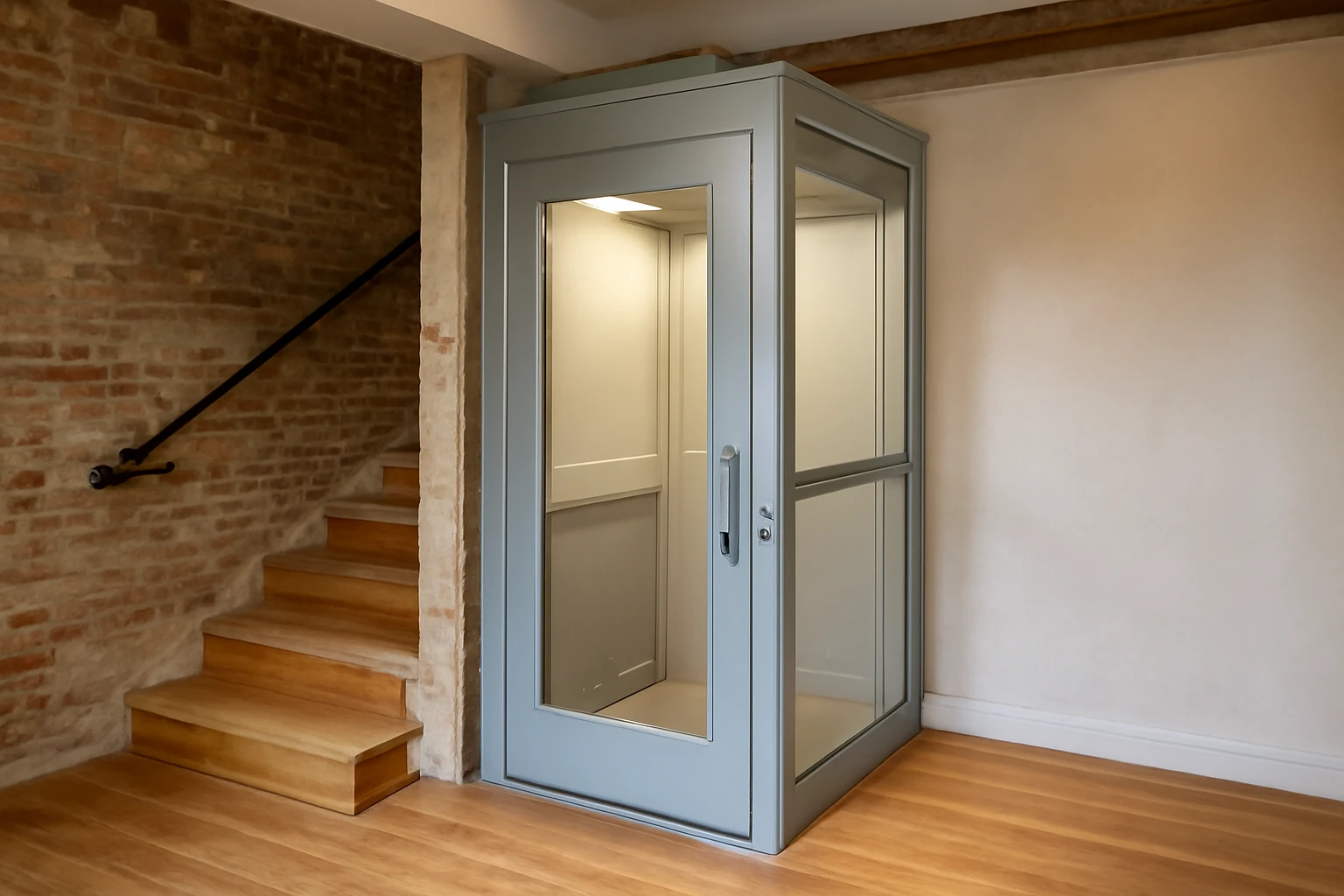
Many modern pitless home lifts feature elegant glass cabins and stylish finishes that enhance interior design.
Luxury residential projects often use pneumatic and panoramic lift systems as part of the home’s architectural concept.
Ideal for Elderly and Accessibility Needs
Pitless lifts improve mobility for elderly users and people with physical limitations by providing safe and comfortable movement between floors.
- Improved accessibility
- Reduced fall risk
- Comfortable daily use
- Barrier-free movement
Applications of Pitless Lifts
Pitless lifts are widely used in residential and low-rise commercial environments where traditional elevator installation is impractical.
Their compact structure and simplified installation make them highly versatile for different building types.
Duplex Homes and Villas
One of the most common applications of pitless home lifts is in duplex houses and luxury villas.
These lifts provide convenient access between floors while preserving interior aesthetics.
- Luxury home accessibility
- Comfortable daily movement
- Minimal space usage
- Modern home integration
Renovation Projects
Older buildings often lack the structural conditions required for traditional elevators.
Because pitless lifts require minimal excavation, they are ideal for modernization and renovation projects.
| Building Type | Benefit of Pitless Lift |
|---|---|
| Old Residential Building | Minimal structural modification |
| Luxury Villa | Elegant accessibility solution |
| Small Commercial Space | Compact vertical transportation |
Commercial and Office Spaces
Some pitless lift models are also installed in offices, boutiques, and low-rise commercial properties.
Their compact footprint and modern design make them suitable for stylish business environments.
Accessibility Modernization
Modern accessibility standards increasingly encourage the installation of residential lifts for safer movement inside buildings.
Pitless systems are commonly selected because they combine accessibility, aesthetics, and easy installation.

Space Requirements and Standard Dimensions
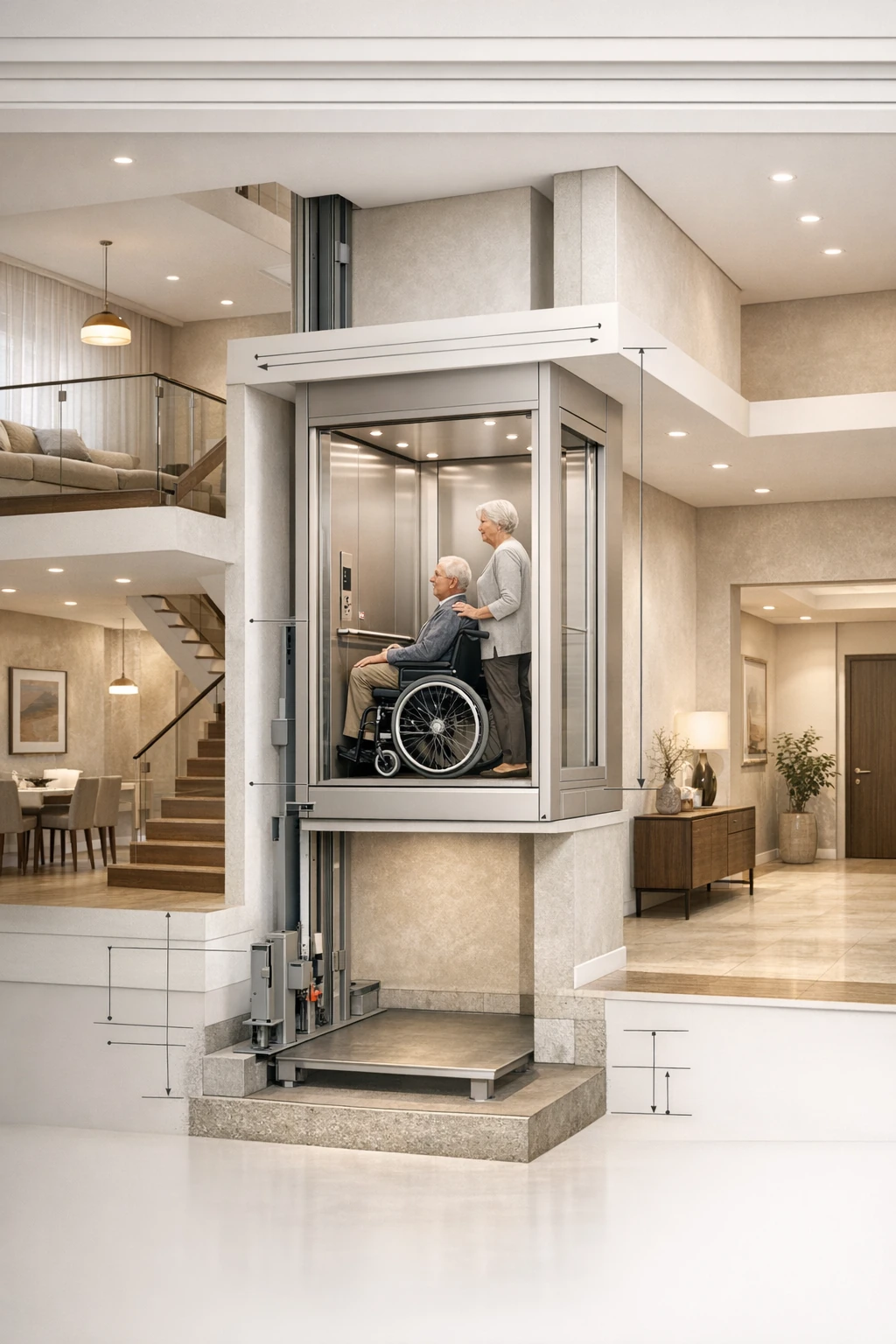
One of the biggest advantages of a pitless lift is its compact installation footprint compared to traditional elevators.
These systems are specifically designed for residential environments with limited construction space.
Minimum Installation Space
The required dimensions for a pitless home lift depend on cabin size, passenger capacity, and accessibility requirements.
| Lift Type | Approximate Minimum Size |
|---|---|
| Single Passenger | 90 × 90 cm |
| Two Passenger | 110 × 140 cm |
| Wheelchair Accessible | 140 × 140 cm |
Some modern systems can even be installed in extremely compact residential layouts.
Reduced Headroom Requirements
Unlike traditional elevators, many pitless lifts require lower overhead clearance.
- Suitable for low ceilings
- Ideal for renovations
- Flexible architectural integration
- Less structural limitation
This feature simplifies installation in older homes and duplex properties.
No Large Machine Room Needed
Most modern pitless home lifts use compact drive systems integrated into the lift structure.
This eliminates the need for a separate machine room in many installations.
| Feature | Pitless Lift | Traditional Elevator |
|---|---|---|
| Machine Room | Usually not required | Required |
| Installation Space | Compact | Larger footprint |
Wheelchair Accessibility Dimensions
Wheelchair-accessible pitless lifts require additional cabin width and turning space to ensure safe and comfortable movement.
- Wide cabin entrance
- Barrier-free access
- Automatic doors
- Smooth platform movement
Pitless Lift Installation
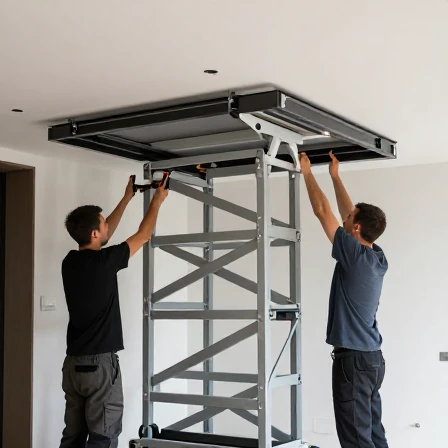
The installation process of a pitless lift is generally faster and simpler than a traditional elevator installation.
Because these systems require minimal excavation and reduced structural work, they are highly suitable for residential renovation projects.
Main Installation Steps
Installing a pitless home lift usually involves several key stages.
| Step | Description |
|---|---|
| Site Inspection | Structural and dimensional evaluation |
| Lift Design | Selecting system type and cabin size |
| Preparation Work | Electrical and floor preparation |
| Rail and Cabin Installation | Assembly of main components |
| Safety Testing | Operational and safety inspection |
Fast Installation Process
Most pitless lifts can be installed within a few days depending on the building structure and selected system.
- Reduced construction time
- Minimal structural damage
- Lower renovation disruption
- Quick system setup
Installation Requirements
Before installing a pitless home lift, several technical conditions should be evaluated.
- Available floor space
- Building structural strength
- Ceiling height
- Electrical system compatibility
- Accessibility requirements
Proper planning improves both safety and long-term lift performance.
Difference Between Pitless Lifts and Traditional Elevators
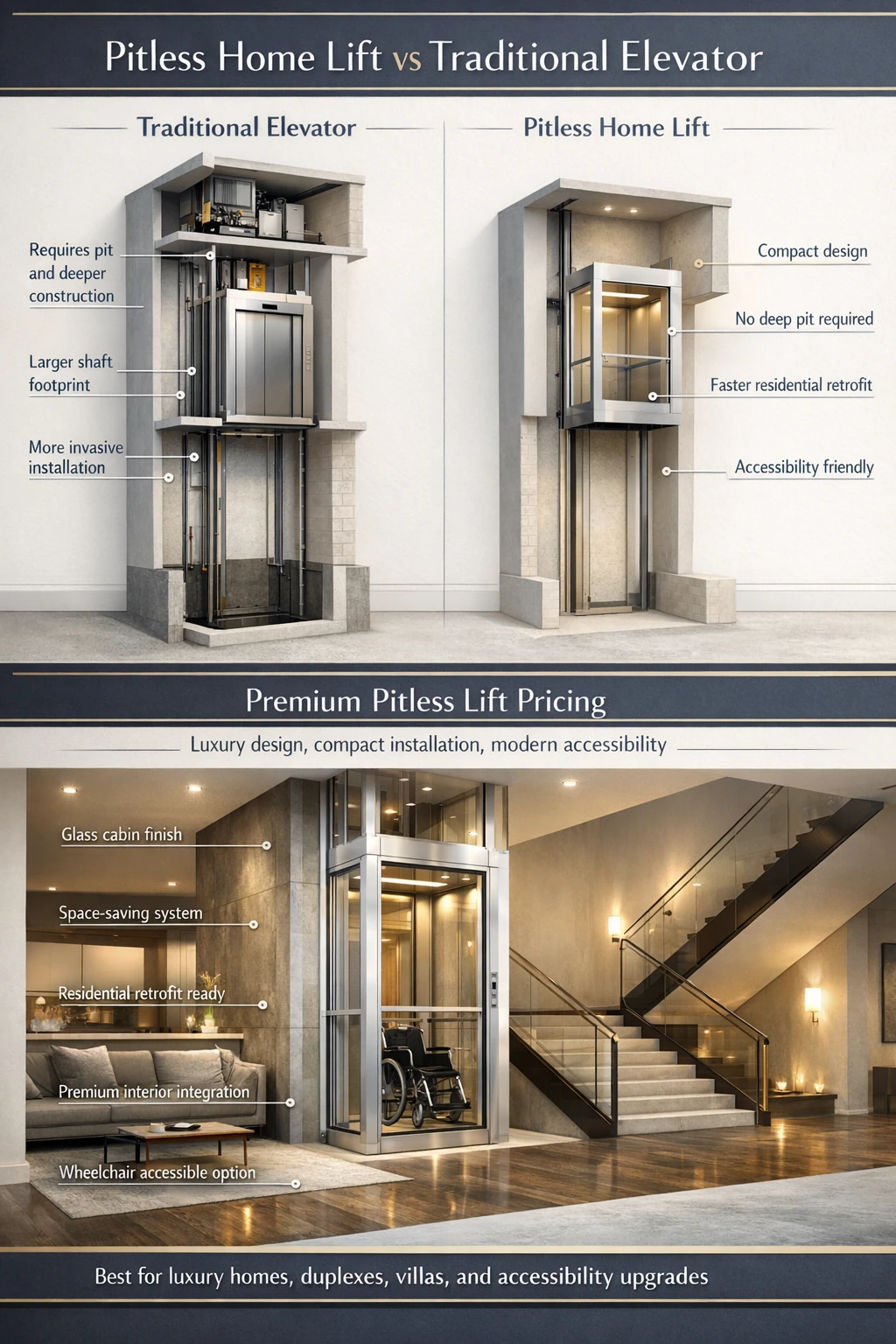
Although both systems provide vertical transportation, pitless lifts and traditional elevators differ significantly in construction requirements, installation complexity, space usage, and application.
Understanding these differences helps homeowners choose the most suitable accessibility solution for their building.
Structural Requirements
Traditional elevators typically require a deep pit, machine room, and extensive structural modifications.
In contrast, pitless home lifts are designed with compact systems that minimize construction work.
| Feature | Pitless Lift | Traditional Elevator |
|---|---|---|
| Deep Pit Requirement | Minimal or none | Required |
| Machine Room | Usually unnecessary | Required |
| Construction Complexity | Lower | Higher |
Installation and Space Usage
Because of their compact design, pitless lifts are ideal for duplex homes, villas, and renovation projects with limited space.
- Compact footprint
- Minimal structural changes
- Faster installation
- Suitable for residential properties
Traditional elevators are usually preferred for high-rise and heavy-traffic buildings.
Speed and Capacity
Traditional elevators generally offer higher speed and larger passenger capacity.
Meanwhile, pitless home lifts prioritize residential accessibility, comfort, and architectural flexibility.
| Comparison Factor | Pitless Lift | Traditional Elevator |
|---|---|---|
| Best Use | Residential buildings | Commercial and high-rise buildings |
| Speed | Moderate | Higher |
| Passenger Capacity | Low to medium | Medium to high |
Pitless Lift Cost
The cost of a pitless lift depends on several factors including lift type, cabin size, number of floors, drive technology, and customization level.
Because every project has different structural conditions, final pricing is usually determined after a technical site inspection.
Main Factors Affecting Price
- Hydraulic, traction, or vacuum system
- Cabin dimensions and capacity
- Number of stops and floors
- Glass or luxury cabin design
- Automatic door systems
- Installation complexity
- Imported or local components
Estimated Cost Comparison
| Lift Type | Price Level | Typical Application |
|---|---|---|
| Hydraulic Pitless Lift | Medium | Residential homes |
| Traction Pitless Lift | Medium to high | Multi-floor buildings |
| Vacuum Pitless Lift | High | Luxury villas |
Installation and Maintenance Costs
Although pitless lifts reduce major construction costs, installation and maintenance expenses should still be considered.
- Electrical setup
- Structural preparation
- Periodic servicing
- Safety inspections
- Component replacement
Choosing high-quality components and professional installation improves long-term reliability and reduces future maintenance costs.

Frequently Asked Questions
A pitless lift is a modern residential elevator system designed without the need for a deep elevator pit or traditional machine room.
Yes. Most modern pitless home lifts include advanced safety systems such as emergency stop functions, battery backup, door interlocks, and obstacle detection sensors.
Pitless lifts are commonly installed in duplex homes, villas, renovated buildings, and small commercial spaces with limited construction capacity.
Most pitless lifts do not require a separate machine room because their drive systems are integrated into the lift structure.
The most common types include hydraulic pitless lifts, traction pitless lifts, and vacuum (pneumatic) pitless lifts.
Yes. One of the major advantages of pitless home lifts is their suitability for renovation projects and existing residential buildings.
The required space depends on the lift type and cabin size, but most compact residential models are specifically designed for limited spaces.
The cost of a pitless lift varies based on system type, cabin design, number of floors, installation conditions, and customization options.
Yes. Routine servicing and safety inspections are important to maintain reliable performance and long-term operational safety.
Conclusion
A pitless lift is one of the most practical and modern vertical accessibility solutions for residential buildings with limited construction space.
By eliminating the need for a deep elevator pit and reducing structural modifications, these systems provide faster installation, compact design, and improved architectural flexibility.
Modern pitless home lifts are widely used in duplex homes, luxury villas, renovation projects, and accessibility-focused residential environments.
- Minimal construction work
- Compact installation footprint
- Modern and stylish appearance
- Improved residential accessibility
- Suitable for elderly users and people with mobility limitations
Although traditional elevators may offer higher speed and capacity, pitless lifts are often the ideal solution for homes where space efficiency and simplified installation are priorities.
Choosing the right system depends on several factors including building layout, number of floors, accessibility requirements, and project budget.
Professional installation and regular maintenance are also essential for long-term safety and reliable performance.