
Complete Guide to Home Lifts
A home lift is no longer a luxury feature reserved for high-end properties. Today, it is a practical accessibility solution designed to improve mobility, safety, and convenience in modern homes. Whether you are planning for aging in place, supporting a family member with limited mobility, or simply upgrading your property, installing a home elevator can significantly enhance daily living.
Modern residential home lift systems are compact, energy-efficient, and adaptable to various home layouts. From small home lift designs to advanced home vertical lift systems, there are multiple options available to suit different needs, budgets, and architectural constraints.
In this complete guide, you will learn everything you need to know about choosing the right home lift, including types, costs, installation process, safety features, and how to select the best manufacturers. This guide is designed to help homeowners make informed decisions based on real-world usage, technical insights, and long-term value considerations.
If you are comparing costs or planning your installation, you can also explore our home lift cost guide, review top manufacturers in best home lift brands, or understand the setup process in our home lift installation guide.
Table of Contents
- What Is a Home Lift
- How Home Lifts Work
- Types of Home Lifts
- Hydraulic Home Lifts
- Vacuum Home Elevators
- Traction Home Lifts
- Through-Floor Lifts
- Benefits of Installing a Home Lift
- Who Should Consider a Home Lift
- Home Lift Costs
- Home Lift Space Requirements
- Home Lift Installation Process
- Best Home Lift Brands
- Home Lift Safety Features
- Frequently Asked Questions
What Is a Home Lift
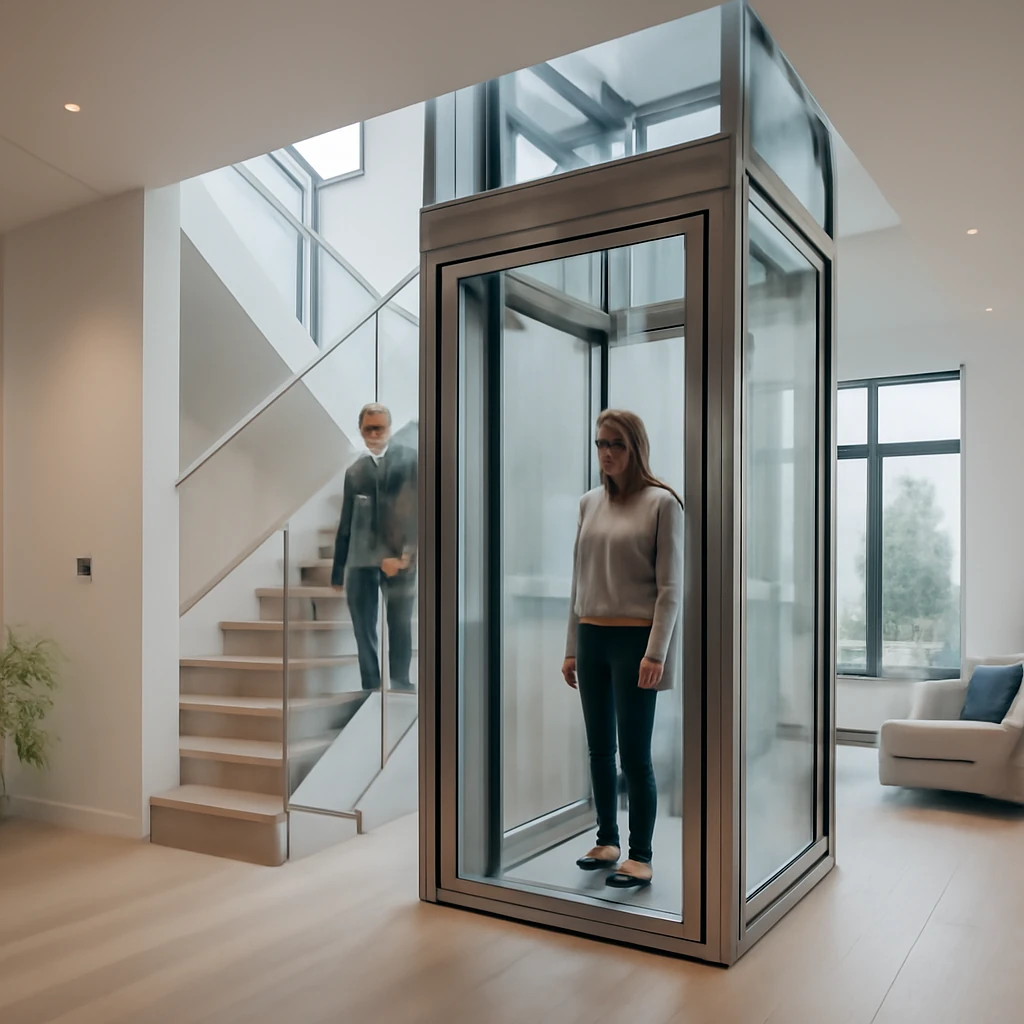
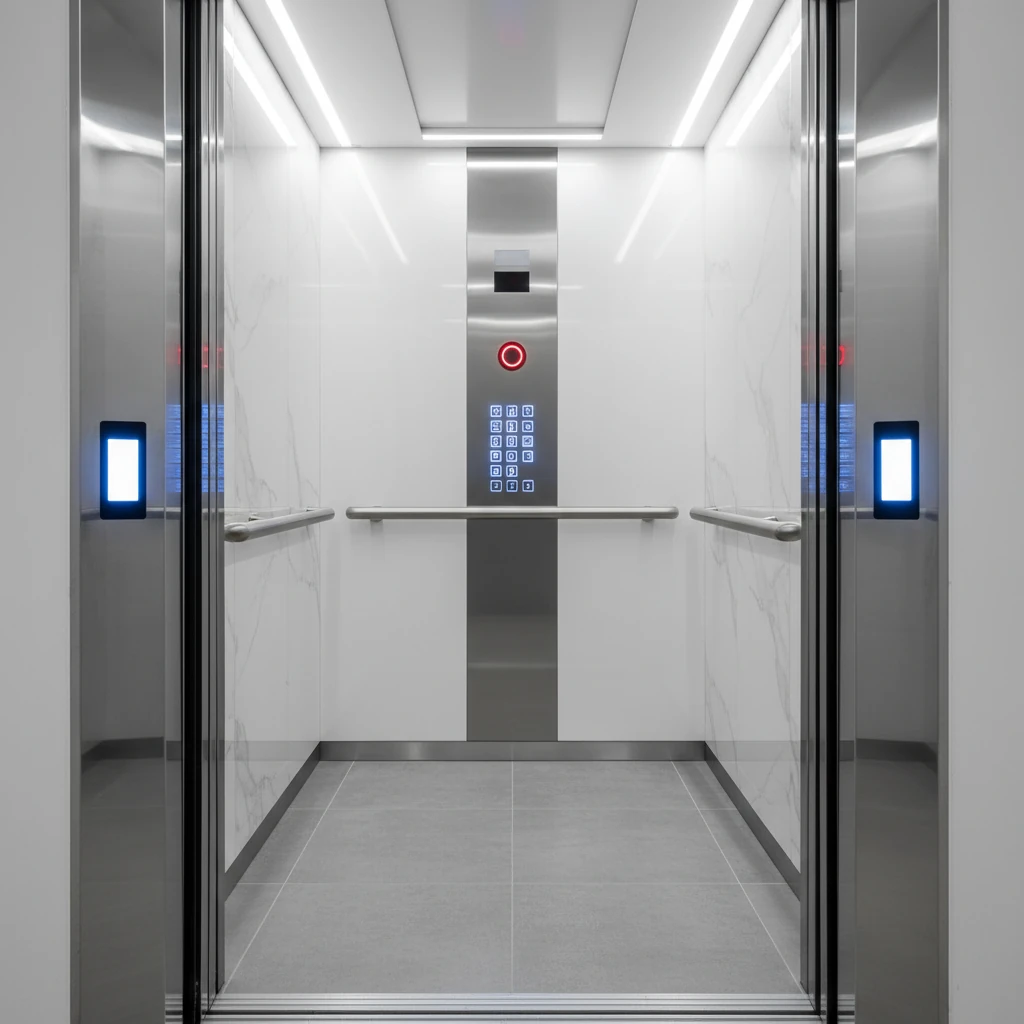
A home lift is a compact vertical transportation system designed to move people safely between floors within a residential property. Unlike traditional elevators used in commercial buildings, a home elevator is specifically engineered for private homes, offering space-efficient design, easier installation, and user-friendly operation.
Modern residential home lift systems are built to improve accessibility and convenience without requiring major structural changes. These systems can be installed in new constructions or retrofitted into existing homes, making them suitable for a wide range of property types.
A small home lift can fit into limited spaces, while larger systems can support wheelchairs and multiple users. This flexibility allows homeowners to choose a solution based on mobility needs, available space, and long-term lifestyle planning.
In many cases, a home vertical lift serves as an alternative to stairs, especially for individuals with mobility challenges. It provides safe and reliable movement between levels without physical strain.
Key Characteristics of a Home Lift
- Designed specifically for residential environments
- Compact size compared to commercial elevators
- Lower installation and operational requirements
- Energy-efficient systems with minimal power consumption
- Customizable design to match home interiors
Unlike standard elevators, a home lift for wheelchair users may include wider cabins, low-entry thresholds, and safety support features to ensure easy and secure access.
As accessibility becomes a priority in modern housing, home lift systems are increasingly viewed as essential upgrades rather than luxury additions.
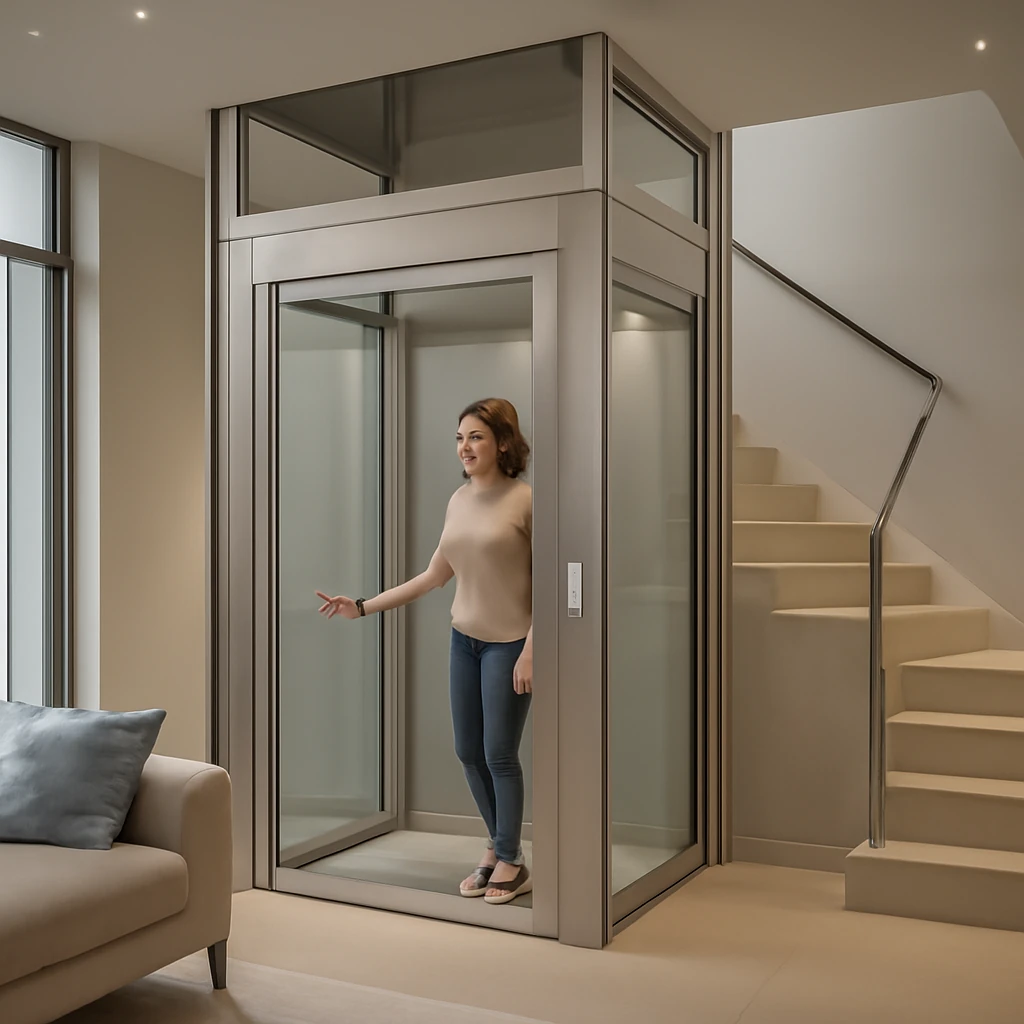
A home lift is a compact vertical transportation system designed to move people safely between floors within a residential property. Unlike traditional elevators used in commercial buildings, a home elevator is specifically engineered for private homes, offering space-efficient design, easier installation, and user-friendly operation.
How Home Lifts Work
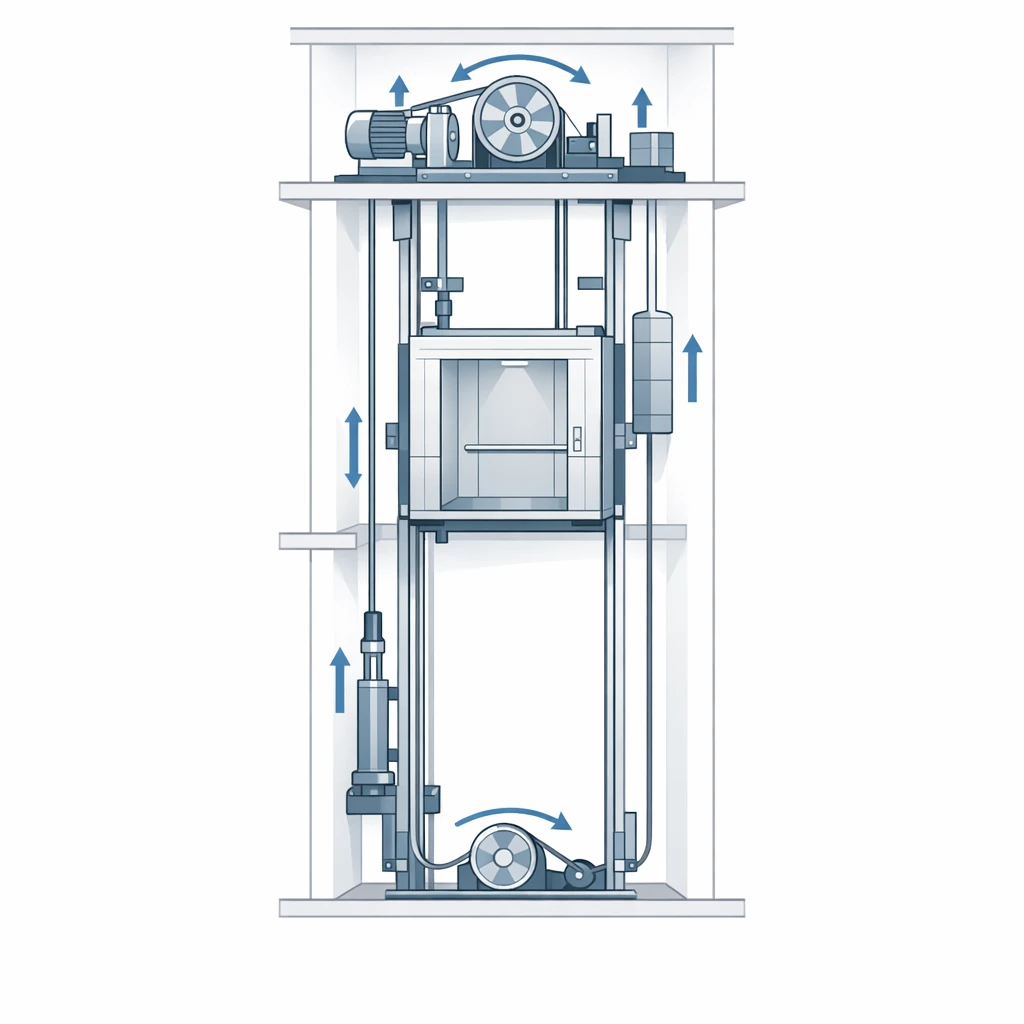
A home lift operates using a controlled mechanical system that moves a cabin vertically along a fixed path. Depending on the type of system, the movement may be powered by hydraulic pressure, air vacuum technology, or electric traction motors.
Most modern home elevator systems are designed for smooth, quiet operation with built-in safety controls that regulate speed, stopping precision, and load capacity.
Core Components of a Home Lift
- Drive system (hydraulic, traction, or vacuum)
- Lift cabin or platform
- Rail or shaft structure
- Control panel and call buttons
- Safety sensors and braking systems
Each residential home lift uses a combination of these components to ensure safe and efficient vertical movement inside the home.
Home Lift System Comparison
| System Type | How It Works | Best For |
|---|---|---|
| Hydraulic | Uses fluid pressure to lift the cabin | Heavy-duty and smooth lifting |
| Traction | Motor pulls the cabin using cables | Energy-efficient and multi-floor homes |
| Vacuum | Air pressure moves the lift cabin | Compact and modern designs |
| Through-Floor | Moves through a cut-out floor opening | Small homes and quick installation |
Understanding how each home lift system works helps homeowners choose the right solution based on space, usage, and budget.
Types of Home Lifts
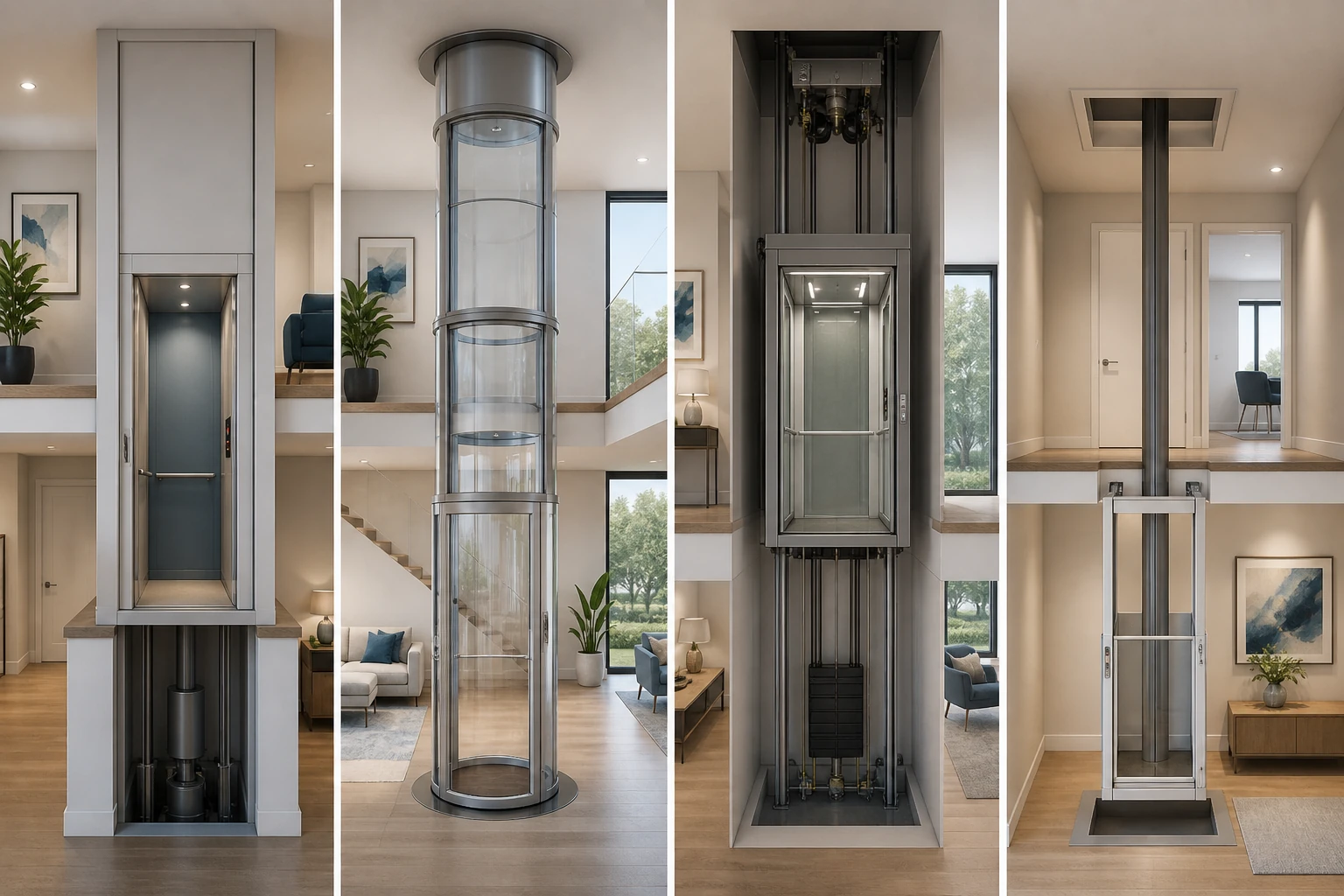
Choosing the right home lift starts with understanding the different types available. Each system is designed with specific technologies, space requirements, and usage scenarios in mind. Whether you need a small home lift for compact spaces or a full home elevator for multi-level access, selecting the right type is critical for long-term performance and comfort.
Below are the main types of residential home lift systems used in modern homes.
Hydraulic Home Lifts
A hydraulic home lift operates using fluid pressure to move the cabin. A pump pushes hydraulic fluid into a cylinder, which raises the lift. When descending, the fluid is released in a controlled manner.
- Smooth and stable lifting performance
- High weight capacity support
- Suitable for multiple floors
- Requires space for hydraulic components
- Common in traditional home elevator designs
This type of home lift is often preferred for durability and comfort, especially in larger residential properties.
Vacuum Home Elevators
A vacuum home elevator uses air pressure to move the cabin vertically inside a cylindrical shaft. The system creates a pressure difference above and below the cabin, allowing smooth movement without cables or pistons.
- Space-saving cylindrical design
- No need for a machine room
- Low maintenance requirements
- Energy-efficient operation
- Modern and visually appealing
This type of home vertical lift is ideal for modern homes where design and minimal footprint are priorities.
Traction Home Lifts
A traction home lift uses an electric motor and cable system to move the cabin along rails. Counterweights are often used to balance the load and improve efficiency.
- Energy-efficient and quiet operation
- Suitable for frequent daily use
- Supports multiple floors easily
- Advanced control systems for smooth travel
- Compact compared to hydraulic systems
This residential home lift type is commonly used in modern multi-story homes requiring reliable performance and efficiency.
Through-Floor Lifts
A through-floor lift travels vertically through a cut-out in the floor rather than inside a shaft. It is designed for homes where space is limited and structural modifications must be minimal.
- Ideal for two-story homes
- Minimal construction requirements
- Fast installation process
- Compact and space-efficient design
- Often used for wheelchair accessibility
This type of home lift for wheelchair users is widely used for accessibility upgrades in existing homes.
Comparison of Home Lift Types
| Type | Key Advantage | Best Use Case |
|---|---|---|
| Hydraulic | Smooth and powerful lifting | Larger homes, heavy-duty use |
| Vacuum | Compact and modern design | Small spaces, design-focused homes |
| Traction | Energy-efficient performance | Frequent use, multi-floor homes |
| Through-Floor | Minimal installation space | Compact homes, accessibility needs |
Selecting the right home lift type depends on space availability, budget, and user requirements. Each system offers unique advantages that should align with long-term usage and home design.
Benefits of Installing a Home Lift
Installing a home lift is more than a convenience upgrade. It is a long-term investment in safety, accessibility, and property value. As modern homes become more vertical, the need for efficient movement between floors becomes increasingly important.
A well-designed home elevator improves daily living while reducing physical strain and mobility limitations for users of all ages.
Improved Accessibility
One of the primary benefits of a residential home lift is enhanced accessibility. It allows users to move freely between floors without relying on stairs.
- Full access to all levels of the home
- Ideal for wheelchair users and mobility limitations
- Supports long-term aging in place
- Eliminates barriers in multi-story homes
A home lift for wheelchair users is especially valuable in ensuring independence and safe movement inside the home.
Enhanced Safety
Stairs can present a serious risk, especially for seniors or individuals with limited mobility. A home vertical lift reduces fall risk by eliminating the need to climb stairs.
- Reduces risk of falls and injuries
- Provides stable and controlled movement
- Includes built-in safety features
- Improves confidence in daily mobility
Modern home lift systems are equipped with sensors, emergency controls, and smooth motion technology for maximum safety.
Increased Property Value
Adding a home elevator can significantly increase the market value of a property. It is considered a premium feature in modern real estate.
- Attracts buyers looking for accessibility features
- Adds luxury and modern appeal
- Improves long-term resale potential
- Enhances overall property functionality
Homes equipped with a small home lift are often more competitive in the housing market.
Convenience and Comfort
Daily movement between floors becomes effortless with a home lift. It eliminates the need to carry items up and down stairs manually.
- Easy transport of groceries, luggage, and household items
- Reduces physical effort during daily routines
- Provides smooth and quiet operation
- Improves overall living comfort
A home elevator adds convenience not only for mobility needs but also for everyday household activities.
Space Efficiency
Modern small home lift systems are designed to fit into compact spaces, making them suitable for both new constructions and existing homes.
- Compact design options available
- Minimal structural modifications required
- Suitable for retrofitting in older homes
- Flexible installation locations
Even homes with limited space can benefit from a properly designed residential home lift.
Long-Term Cost Efficiency
Although the initial cost of a home lift may seem significant, it can reduce long-term expenses compared to relocation or major renovations.
- Avoids costs of moving to a new home
- Reduces need for extensive structural changes
- Supports aging in place without assisted living costs
- Provides long-term usability and value
For many homeowners, a home elevator becomes a cost-effective solution over time.
Benefits Overview Table
| Benefit | Impact | Best For |
|---|---|---|
| Accessibility | Full home access | Mobility-limited users |
| Safety | Reduced fall risk | Seniors and families |
| Property Value | Higher resale appeal | Homeowners |
| Convenience | Ease of movement | All users |
| Cost Efficiency | Long-term savings | Long-term planners |
Overall, a home lift enhances both functionality and lifestyle, making it a valuable addition to modern residential environments.
Who Should Consider a Home Lift
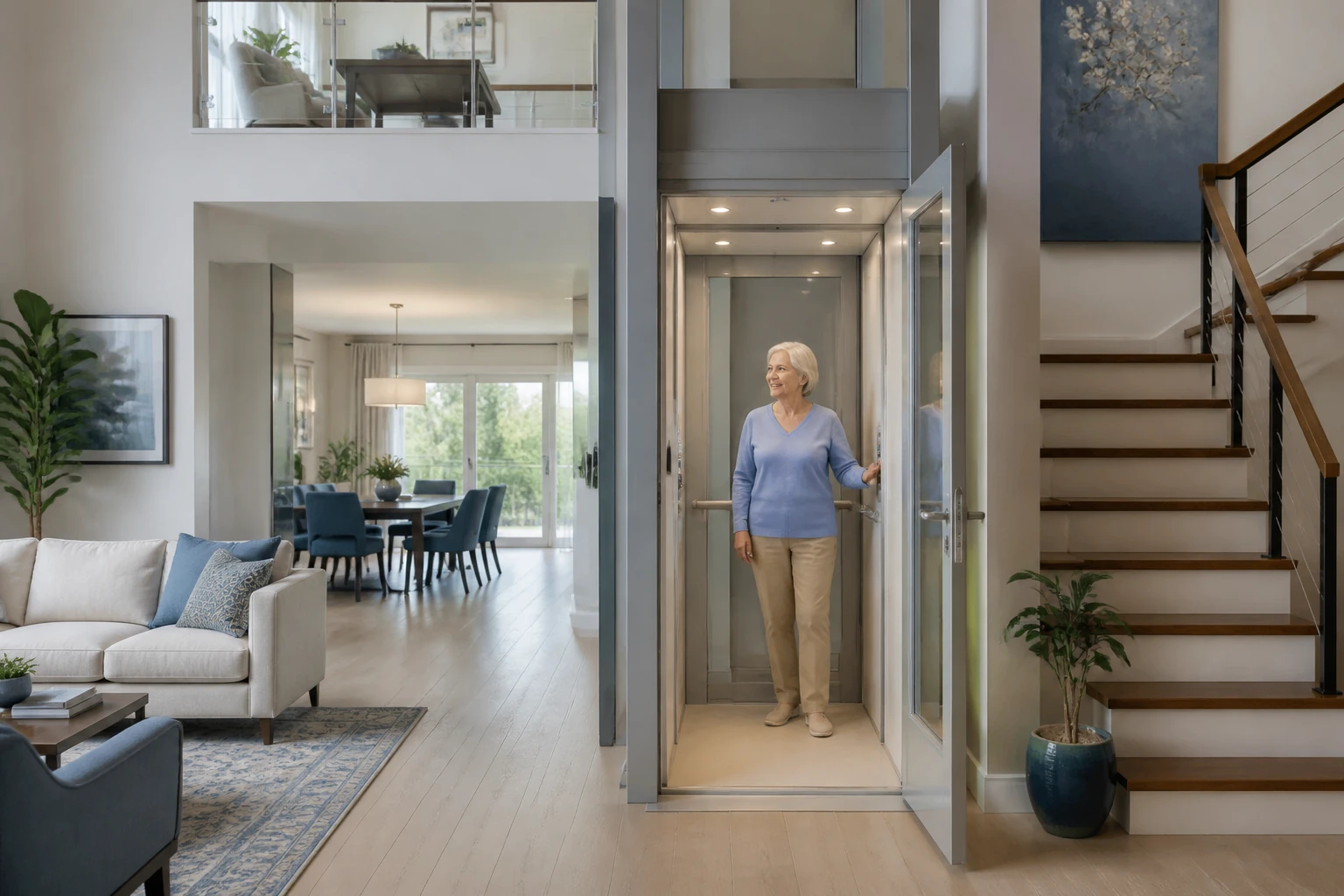
A home lift is not limited to one specific group of users. It is designed for anyone who wants safer, easier, and more efficient movement between floors inside a residential environment.
Understanding who benefits most from a home elevator helps homeowners decide whether installation is a necessity, a convenience upgrade, or a long-term investment.
Older Adults and Aging in Place
One of the primary groups who benefit from a residential home lift is older adults. As mobility naturally decreases with age, stairs can become a daily challenge and safety risk.
- Reduced balance and stability
- Joint pain or arthritis
- Fatigue when climbing stairs
- Increased fear of falling
A home lift allows seniors to remain in their homes safely while maintaining independence and comfort.
People with Mobility Limitations
Individuals with physical limitations often rely on a home lift for wheelchair access or assisted mobility inside the home.
- Wheelchair users
- Individuals with limited walking ability
- Users requiring mobility aids
- People with balance disorders
For these users, a home vertical lift is not a luxury but an essential accessibility solution.
People Recovering from Injury or Surgery
Temporary mobility challenges are another common reason to install a home lift.
- Post-surgical recovery (hip, knee, spine)
- Fracture rehabilitation
- Temporary physical limitations
- Reduced strength or endurance
A home elevator provides safe and comfortable movement during recovery periods and can later remain as a long-term convenience feature.
Families in Multi-Level Homes
Homes with multiple floors naturally benefit from a home lift, even when no immediate mobility issues exist.
- Daily movement between floors
- Transporting heavy items
- Improving overall home convenience
- Future-proofing the property
Installing a small home lift in a multi-story house enhances usability and long-term practicality.
Homeowners Planning for the Future
Many homeowners choose to install a home lift before mobility issues arise. This proactive approach supports aging in place and avoids emergency installations later.
- Long-term accessibility planning
- Aging in place strategy
- Increasing property value
- Reducing future renovation needs
A residential home lift becomes part of a smart home design focused on long-term usability.
Luxury Home Buyers
In modern real estate, a home elevator is often considered a premium feature. High-end homeowners install lifts to enhance both functionality and property appeal.
- Luxury home design integration
- Modern architectural trends
- Improved property aesthetics
- Convenience for all residents
For this group, a home lift is both a practical and lifestyle upgrade.
User Suitability Overview
| User Group | Primary Benefit | Usage Type |
|---|---|---|
| Older Adults | Safety and independence | Long-term |
| Mobility-Impaired Users | Full accessibility | Essential |
| Recovery Patients | Temporary support | Short-term |
| Families | Convenience | Daily use |
| Luxury Buyers | Property value | Lifestyle |
A home lift is a versatile solution that supports a wide range of users, from those with immediate mobility needs to homeowners planning for the future.

Home Lift Costs
The cost of a home lift varies significantly depending on the system type, installation complexity, and level of customization. Understanding pricing helps homeowners plan realistically and avoid unexpected expenses during the buying process.
In most cases, a home elevator is a long-term investment rather than a simple purchase. Costs include not only the lift itself but also installation, structural preparation, and optional upgrades.
Average Home Lift Cost Range
The average cost of a residential home lift typically falls within a wide range depending on design and technology:
- $20,000 to $60,000 for standard installations
- $30,000 to $100,000+ for premium or custom systems
- $35,000 to $60,000 as a common average for most homes
Most homeowners installing a home lift in a two-story house will fall near the mid-range depending on features and layout.
Cost by Home Lift Type
Different lift technologies have very different pricing structures. The type of home vertical lift you choose is the biggest cost factor.
| Lift Type | Typical Cost Range | Best For |
|---|---|---|
| Through-floor lift | $25,000 – $45,000 | Compact homes |
| Hydraulic lift | $30,000 – $60,000 | Heavy-duty use |
| Traction lift | $25,000 – $55,000 | Multi-floor homes |
| Vacuum (pneumatic) | $35,000 – $65,000 | Modern design |
| Luxury custom lift | $60,000 – $100,000+ | High-end homes |
Custom designs and premium finishes can push home elevator costs significantly higher, especially when advanced features or unique layouts are required.
Installation and Construction Costs
Installation is a major part of total home lift cost. In many cases, construction work adds substantial expense.
- Structural modifications (shaft, floor openings)
- Electrical upgrades
- Permit and inspection fees
- Labor and installation services
Installation and structural preparation can add $10,000 to $25,000 depending on home layout and lift type.
Ongoing Costs and Maintenance
Beyond initial purchase, a home lift includes long-term ownership costs.
- Annual maintenance: $600 – $2,000
- Battery replacement over time
- Occasional repairs or servicing
- Optional extended warranties
Regular maintenance helps extend the lifespan and reliability of your home lift.
Cost vs Value Perspective
Although the upfront investment may seem high, a home lift often delivers long-term value.
- Increases property value
- Reduces need for relocation
- Supports aging in place
- Improves accessibility and comfort
For many homeowners, the value of improved safety, independence, and convenience outweighs the initial cost.

Home Lift Space Requirements
One of the most important factors when planning a home lift is space availability. Unlike traditional elevators, modern systems are designed to fit داخل residential environments with minimal structural impact.
Understanding space requirements helps homeowners choose the right home elevator type and avoid costly modifications during installation.
Minimum Space Requirements
Most small home lift systems are built for compact spaces and can fit in surprisingly tight areas.
- Minimum footprint: 0.8 to 1.5 square meters
- Standard cabin size: 1 to 1.5 square meters
- Headroom requirement: 2200 mm to 2600 mm
- Floor opening (for through-floor lifts): minimal structural cut
Compact designs make it possible to install a home lift even in smaller homes without major layout changes.
Space by Lift Type
Different types of residential home lift systems require different amounts of space.
| Lift Type | Space Requirement | Notes |
|---|---|---|
| Through-floor lift | Very compact | No shaft required |
| Hydraulic lift | Moderate | Requires shaft and machine area |
| Traction lift | Moderate to large | Efficient for multi-floor homes |
| Vacuum lift | Minimal | No pit or machine room |
Choosing the right home vertical lift depends on available space, home layout, and long-term accessibility needs.
Installation Location Options
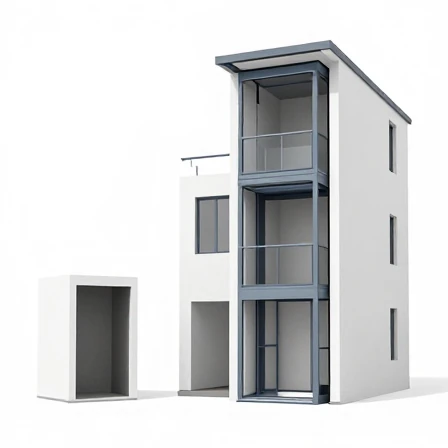
A home lift can be installed in several locations within a house, depending on layout and design preferences
- Near staircases for easy access
- inside unused corners or closets
- Integrated into existing walls
- Externally attached to the home
Flexible placement options allow homeowners to integrate a home elevator without compromising interior design.
Structural Considerations
Before installing a home lift, certain structural factors must be evaluated.
- Load-bearing capacity of floors
- Wall strength for rail or shaft support
- Electrical system compatibility
- Clearance for doors and movement
- Plan space during early home design if possible
- Choose compact models for limited areas
- Consider future mobility needs
- Consult professionals قبل installation
- Measuring available space
- Evaluating structural requirements
- Identifying optimal installation location
- Selecting the appropriate lift type
- Cabin size and layout selection
- Material and finish options
- Control system configuration
- Safety feature integration
- Creating a shaft or floor opening
- Reinforcing support structures
- Preparing electrical connections
- Ensuring proper clearances
- Mounting rails or shaft system
- Installing the lift cabin
- Connecting electrical and control systems
- Testing movement and alignment
- Load and performance testing
- Safety system verification
- Emergency feature testing
- Final inspection and approval
- Basic operation instructions
- Safety usage guidelines
- Maintenance recommendations
- Emergency procedures
- Compact design with minimal footprint
- No need for a shaft or machine room
- Energy-efficient electric drive system
- Ideal for small homes and apartments
- Modern and stylish cabin designs
- Wide range of customization options
- High safety standards and certifications
- Suitable for luxury residential properties
- Advanced traction and hydraulic systems
- Strong global service network
- High weight capacity options
- Premium engineering and durability
- Minimalist and elegant design
- Quiet operation technology
- Fast installation process
- Suitable for retrofitting existing homes
- Emergency stop button for immediate shutdown
- Battery backup for power outages
- Door interlock system to prevent unsafe movement
- Weight sensors to avoid overloading
- Obstacle detection sensors
- Automatic braking systems
- Smooth start and stop controls
- Alarm and communication systems
- Non-slip flooring inside the cabin
- Wide entry doors for easy access
- Secure handrails and support bars
- Automatic leveling at floor stops
- ASME elevator safety codes
- ADA accessibility standards
- Local building regulations
- Manufacturer safety certifications
- See our full home lift cost guide
- Compare manufacturers in best home lift brands
- Learn about home lift installation
Professional assessment ensures the home lift operates safely and efficiently without structural issues.
Space Planning Tips
Proper planning can significantly improve installation outcomes and reduce costs.
With smart planning, even limited spaces can accommodate a fully functional home lift.
Home Lift Installation Process
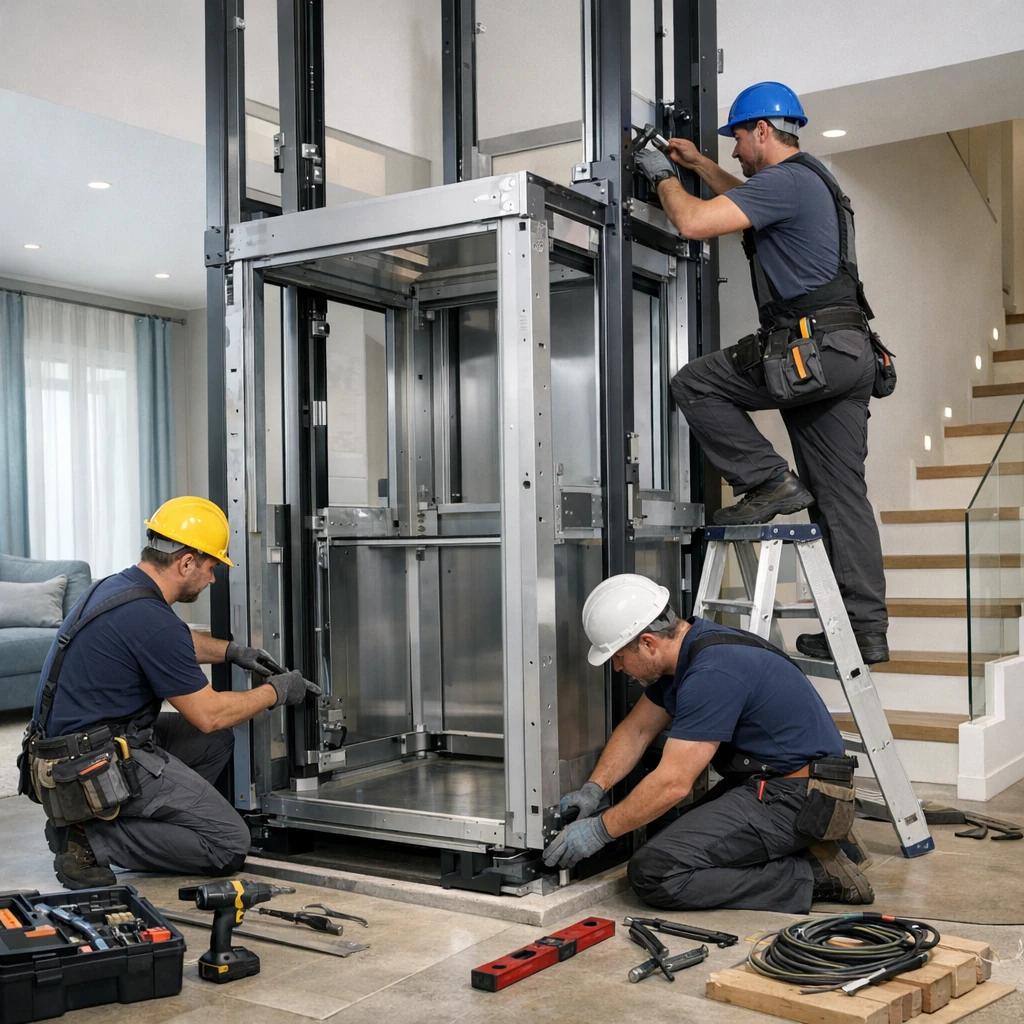
Installing a home lift is a structured process that involves planning, design, and professional setup. While modern systems are easier to install than traditional elevators, proper installation is critical for safety, performance, and long-term reliability.
Understanding the home lift installation guide helps homeowners prepare for each stage and avoid delays or unexpected costs.
Step 1: Initial Assessment and Planning
The process begins with a detailed evaluation of the property to determine the best type and location for the home elevator.
At this stage, consulting a professional ensures the residential home lift fits both technical and lifestyle needs.
Step 2: Design and Customization
Once the assessment is complete, the home lift system is customized based on user preferences and home design.
Customization allows the home vertical lift to blend seamlessly with the home’s interior.
Step 3: Structural Preparation
Before installation begins, the home may require minor or major structural adjustments depending on the lift type.
Proper preparation ensures the home lift can be installed safely and efficiently.
Step 4: Installation and Assembly
The actual installation of a home elevator typically takes a few days to a few weeks depending on system complexity.
Modern small home lift systems can often be installed faster due to modular design.
Step 5: Testing and Safety Checks
After installation, the system undergoes thorough testing to ensure safe operation.
These checks ensure the home lift meets safety standards and operates reliably.
Step 6: User Training and Handover
Once installation is complete, users are guided on how to operate and maintain the home lift.
Proper training ensures users can safely operate their home elevator from day on
Proper training ensures users can safely operate their home elevator from day one.
Installation Timeline Overview
| Stage | Estimated Time | Notes |
|---|---|---|
| Planning | 1–2 weeks | Includes assessment and design |
| Preparation | 1–3 weeks | Structural adjustments |
| Installation | 2–10 days | Depends on lift type |
| Testing | 1–2 days | Safety checks and approval |
For a detailed breakdown of each step, you can learn about home lift installation in our full guide.
A properly installed home lift ensures long-term safety, efficiency, and reliable performance for everyday use.
Best Home Lift Brands
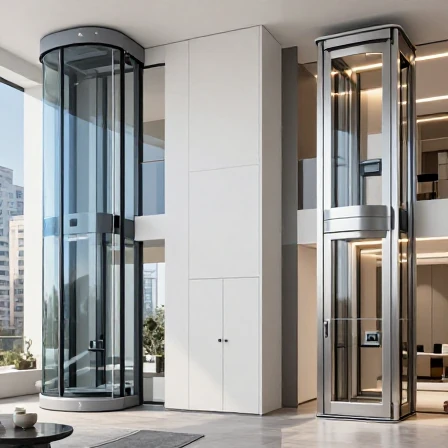
Choosing the right home lift brand is critical for long-term reliability, safety, and performance. Leading manufacturers focus on engineering quality, smooth operation, and advanced safety features, making them ideal for residential use.
If you want a full comparison, you can compare manufacturers in best home lift brands to evaluate features, pricing, and performance in detail.
Stiltz Home Lifts
Stiltz is one of the most recognized names in the home lift market, known for compact through-floor lift systems designed specifically for residential homes.
Stiltz lifts are especially popular for homeowners looking for a small home lift solution with simple installation.
Aritco Home Lifts
Aritco offers premium home elevator systems with Scandinavian design and advanced customization options.
Aritco is ideal for users who prioritize aesthetics alongside functionality in their residential home lift.
Otis Home Elevators
Otis is a globally recognized elevator manufacturer offering high-end home lift solutions based on commercial-grade technology.
Otis systems are suitable for large homes requiring a powerful and durable home vertical lift.
Lifton Home Lifts
Lifton specializes in stylish and compact home lift solutions designed for modern interiors.
Lifton is a strong choice for homeowners looking for a balance between design and functionality.
Brand Comparison Table
| Brand | Best For | Key Feature |
|---|---|---|
| Stiltz | Compact homes | No shaft required |
| Aritco | Luxury homes | Custom design options |
| Otis | Large properties | Commercial-grade technology |
| Lifton | Modern interiors | Compact stylish design |
Selecting the right home lift brand depends on your budget, space, and long-term usage needs. Investing in a trusted manufacturer ensures better safety, durability, and support over time.
Home Lift Safety Features
Safety is one of the most critical aspects of any home lift. Modern systems are designed with advanced technologies that protect users during operation and ensure smooth, secure movement between floors.
A well-designed home elevator includes multiple safety layers to prevent accidents, detect issues, and provide backup support in emergency situations.
Core Safety Features
Most residential home lift systems include essential safety components as standard.
These features ensure the home lift operates safely under normal and unexpected conditions.
Advanced Safety Technologies
Modern home vertical lift systems often include advanced technologies for enhanced protection.
These systems reduce risks and improve overall ride quality in a home lift.
Safety for Wheelchair Users
Specialized home lifts for wheelchair users include additional safety features to support accessibility.
These features ensure a safe and comfortable experience for users with mobility challenges.
Safety Standards and Compliance
A reliable home lift must comply with international safety standards and building regulations.
Following these standards ensures the home elevator is safe, compliant, and approved for residential use.
Safety Features Comparison Table
| Feature | Function | Benefit |
|---|---|---|
| Emergency Stop | Stops lift instantly | Prevents accidents |
| Battery Backup | Operates during outages | Ensures continuous access |
| Door Sensors | Detect obstructions | Avoids collisions |
| Overload Protection | Monitors weight limits | Prevents system failure |
Investing in a home lift with strong safety features ensures peace of mind, reliable operation, and long-term protection for all users.
Frequently Asked Questions
How much does a home lift cost?
The cost of a home lift varies depending on type, size, and customization. Entry-level models are more affordable, while premium home elevator systems with advanced features cost significantly more.
Can a home lift be installed in an existing house?
Yes, most modern small home lift systems are designed for retrofitting. Through-floor and compact lifts can be installed without major structural changes.
How much space is needed for a home lift?
A residential home lift typically requires between 0.8 to 1.5 square meters, depending on the type. Compact models require less space than traditional systems.
Are home lifts safe for daily use?
Yes, a properly installed home lift includes multiple safety systems such as emergency stop buttons, sensors, and backup power to ensure safe daily operation.
Do home lifts increase property value?
Installing a home elevator can increase property value by improving accessibility and making the home more attractive to a wider range of buyers.
What is the lifespan of a home lift?
A well-maintained home lift can last 10 to 20 years depending on usage, maintenance, and build quality.
Are home lifts suitable for wheelchair users?
Yes, specialized home lifts for wheelchair users are designed with wider cabins, smooth access, and enhanced safety features.
Conclusion
A home lift is no longer a luxury reserved for high-end properties. It has become a practical solution for improving accessibility, safety, and long-term living comfort in modern homes.
From compact small home lift systems to advanced home vertical lift technologies, there are options available for almost every home type and budget.
By understanding types, costs, installation processes, and safety features, homeowners can make informed decisions and choose the right home elevator for their needs.
If you are planning your next step, you can:
Investing in a high-quality home lift not only improves mobility but also enhances independence, safety, and overall quality of life for years to come.