
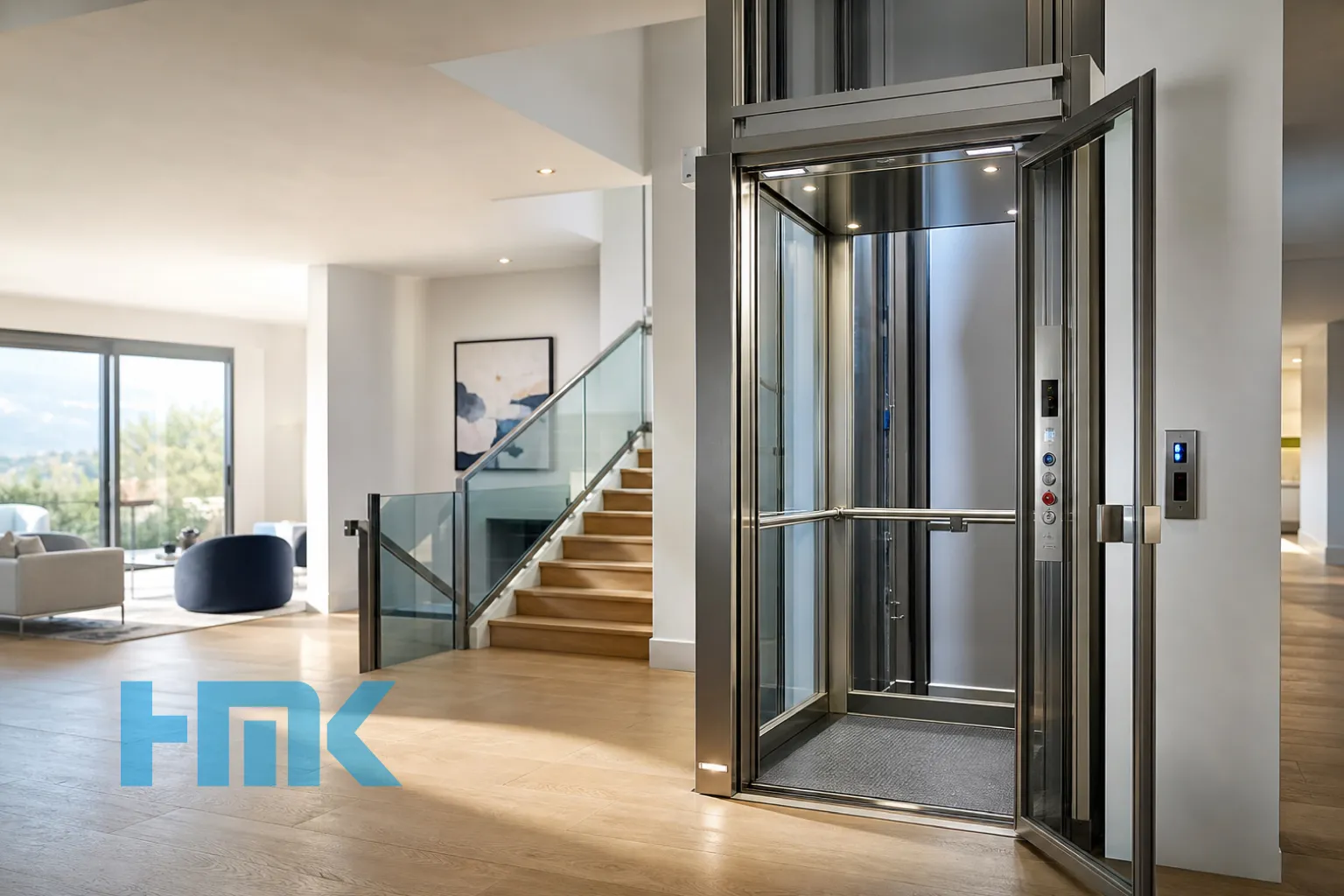
A home lift can make everyday life more convenient, improve accessibility, and support long-term independence. Whether it is installed in a new property or added to an existing house, a residential elevator allows people to move between floors with less physical effort. It can be particularly useful for older adults, wheelchair users, people recovering from surgery, and families planning to remain in their homes for many years.
However, convenience should never come at the expense of safety. Modern home lifts include several protective systems designed to prevent falls, uncontrolled movement, entrapment, and access to the lift shaft. Understanding these features helps homeowners choose suitable equipment, ask informed questions during installation, and maintain the system correctly.
Home Lift Safety Importance
A residential lift operates in a domestic environment rather than a commercial building. This means that children, pets, visitors, and people with limited mobility may all use it. Unlike a staircase, which is easy to understand visually, a lift contains moving mechanical and electrical components that require careful control.
A safe installation should be designed around the layout of the property, the lift type, the number of floors served, and the needs of its users. Factors such as door positions, available shaft space, emergency access, and the weight capacity must be assessed before installation begins.
Homeowners should also choose a qualified supplier and an experienced installation team. Proper planning is essential because even the most advanced safety technology cannot compensate for poor installation, unsuitable structural work, or inadequate maintenance.
Essential Safety Features
Knowing what safety features are built in a home lift help us to choose the standard lift and avoid wasting our money. Below are the essential features of home lift:
Automatic Door Locking Systems
Interlocked doors are among the most important safety features in a home lift. The landing doors should remain locked unless the lift is correctly positioned at that floor. This prevents someone from opening a door and accidentally stepping into an empty shaft.
Many systems use mechanical and electrical door interlocks. The mechanical component keeps the door physically secured, while the electrical component confirms that the door is closed before the lift can move. If the system detects that a door is open or not fully locked, the lift should not operate.
Homeowners should never bypass or disable a door interlock. If a door fails to close properly, the lift should be taken out of service until it has been inspected by a qualified technician.
Emergency Stop Controls
An emergency stop button allows a passenger to halt the lift if an unusual situation occurs. Depending on the design, this control may be located inside the cabin or on the operating panel.
The button should be clearly identified and easy to reach. Once pressed, it should stop normal movement and prevent the lift from restarting until the situation has been assessed. Homeowners should ensure that regular users know where the emergency control is located and understand when it should be used.
Battery Backup and Emergency Lowering
Power cuts can occur at any time. A home lift with a battery backup system can provide additional protection by lowering the cabin to the nearest suitable floor or allowing the doors to open safely during an electrical outage.
Some systems include automatic rescue devices that detect a power failure and move the lift using stored battery energy. Others provide manual emergency lowering through a dedicated control. The exact function depends on the lift model, so the supplier should explain what passengers can expect during a power interruption.
A backup system must be tested regularly. Batteries have a limited service life and may lose capacity even when they appear to be working normally.
Overspeed Protection
Overspeed protection is designed to prevent the cabin from travelling faster than its safe operating speed. If the lift detects abnormal movement, a safety mechanism can activate and bring the cabin to a controlled stop.
Different types of home lifts use different technologies, including braking systems, traction controls, screw-drive mechanisms, hydraulic systems, or electronic monitoring. Homeowners do not need to understand every technical detail, but they should ask the installer how the lift prevents uncontrolled descent.
This feature is especially important in properties with multiple floors, where a fault could otherwise create a serious hazard.
Overload Sensors
An overload sensor prevents the lift from operating when the combined weight of passengers and items exceeds its rated capacity. If the cabin is overloaded, the system may issue an audible warning and keep the doors open until the load is reduced.
The maximum capacity should be displayed clearly inside or near the cabin. Homeowners should avoid treating this figure as a general guideline. Exceeding the recommended load can place unnecessary strain on the drive system, brakes, cables, doors, and supporting structure.
Large furniture and heavy objects should only be transported if the lift has been designed for that purpose.
Anti-Trap and Obstacle Detection
Lift doors should be equipped with safety edges, light curtains, or sensor systems that detect an object or person in the doorway. If an obstruction is detected, the doors should stop closing or reopen automatically.
This feature helps protect children, wheelchair users, walking aids, and pets. However, it should not encourage passengers to place their hands or feet in the doorway. Sensors can malfunction or may not detect every type of obstruction, so users should always enter and exit carefully.
Some home lifts also include sensors beneath the cabin or around the entrance to reduce the risk of trapping objects between the platform and the floor.
Smooth Start and Stop Technology
A smooth acceleration and deceleration system improves both comfort and safety. Sudden movement can cause passengers to lose their balance, particularly if they use a walking frame or have limited strength.
A well-adjusted lift should start gradually, travel consistently, and stop level with the landing floor. Accurate floor levelling is important because even a small step between the cabin and the landing can create a trip hazard.
During routine servicing, the technician should check levelling accuracy and adjust the system if necessary.
Clear Emergency Communication
Passengers should have a reliable way to request assistance if the lift stops between floors. Depending on the model, this may include an alarm button, two-way intercom, telephone connection, or mobile communication device.
The communication system should be accessible to seated passengers and people with limited reach. It should also be tested regularly rather than being treated as an optional feature.
Homeowners should display emergency contact information near the lift and ensure that family members know whom to call. A trapped passenger should not attempt to force open the doors or climb out without professional assistance.
Emergency Lighting
If the household loses power, the cabin should not become completely dark. Emergency lighting provides visibility and helps reduce anxiety while the system is being reset or assistance is arranged.
The lighting should activate automatically when the main power supply fails. It is also worth checking that the control panel, alarm button, and communication equipment remain visible during an outage.
Manual Door Release for Trained Personnel
Some residential elevator systems include a manual door release mechanism for use by trained rescuers or service engineers. This allows authorised professionals to access the cabin during an emergency.
This mechanism should never be used casually by homeowners or passengers. Opening a landing door when the cabin is not correctly aligned can expose someone to the lift shaft. The supplier should explain who is authorised to use the release and where emergency instructions are stored.
Maintenance Practices
Technology provides protection, but daily behaviour remains important. Users should wait until the doors are fully open before entering, keep clear of moving parts, and avoid jumping or carrying unstable loads. Children should use the lift under suitable supervision, particularly if the system has a platform design rather than a fully enclosed cabin.
Regular maintenance is also essential. A service visit should examine the door locks, emergency stop function, sensors, brakes, drive system, battery backup, alarm, lighting, and floor levelling. The recommended service interval depends on the model and level of use, but homeowners should follow the manufacturer’s guidance.
Any unusual noise, vibration, delayed movement, repeated error message, or uneven stopping should be treated seriously. The lift should be switched off and inspected rather than repeatedly restarted.
Home Lifts and Property Value
A home lift can improve the appeal and long-term value of a property by making it more accessible and adaptable. Buyers may view a residential elevator as a premium feature, especially in larger homes, multi-storey properties, and houses designed for ageing in place.
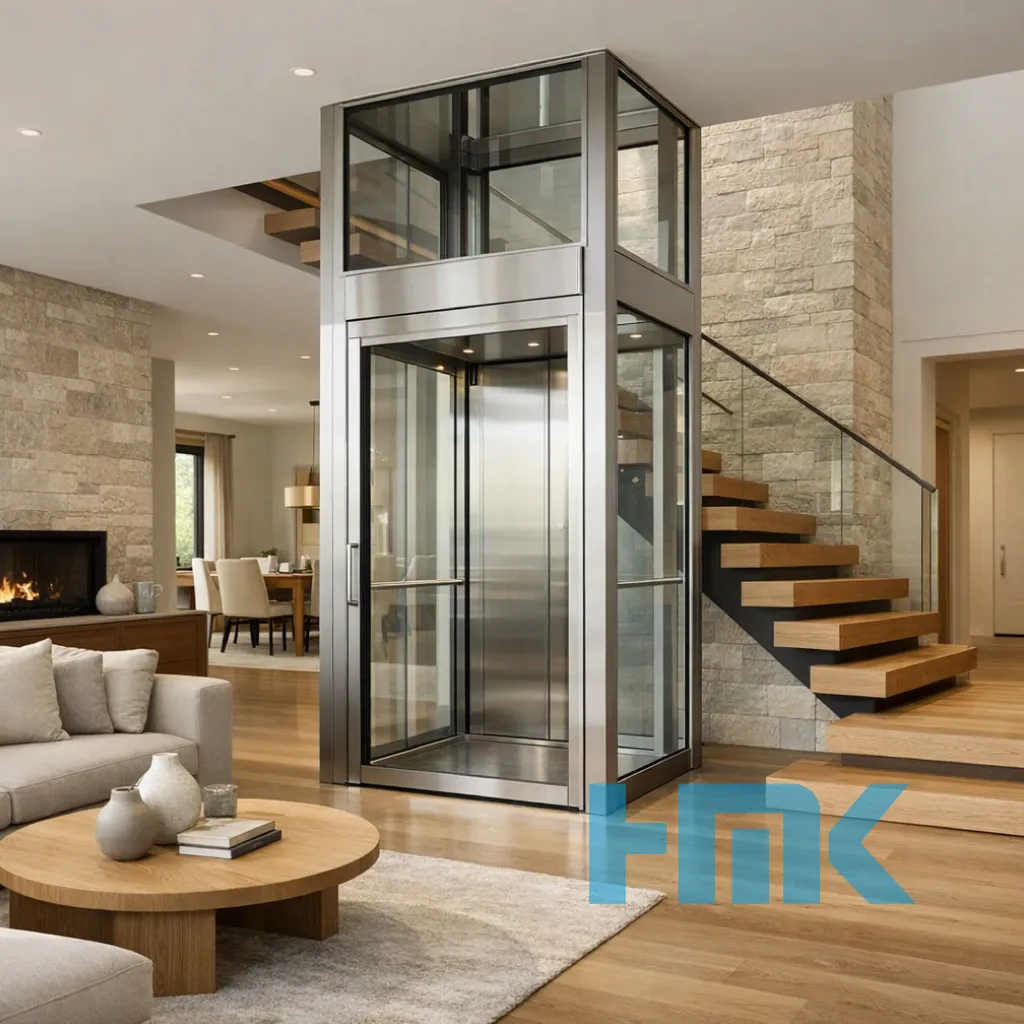
Accessibility is becoming increasingly important. A property with step-free access between floors can appeal to older buyers, families caring for a relative, wheelchair users, and people who want to remain in their home after an injury or illness. A lift may also make upper-floor bedrooms, bathrooms, and living areas more practical for a wider range of occupants.
The effect on property value depends on several factors, including the quality of the installation, the appearance of the lift, available maintenance records, the age of the equipment, and local buyer expectations. A poorly positioned or unreliable system may not provide the same benefit as a discreet, professionally integrated installation.
Homeowners should think of a lift as both a lifestyle improvement and a long-term accessibility investment. While it may not increase the selling price by the full amount spent, it can help a property stand out, widen its potential market, and reduce the need for future structural alterations.
Also Read: How Home Lift Increases Property Value?
Conclusion
A home lift can provide greater independence, convenience, and accessibility, but its safety depends on careful design, quality installation, responsible use, and regular servicing. Features such as automatic door locks, emergency lowering, overspeed protection, overload sensors, anti-trap technology, emergency lighting, and two-way communication should be understood before making a purchase.
Homeowners should choose a system that matches the property and the needs of its users rather than focusing only on appearance or price. With the right safety features and professional maintenance, a residential lift can support comfortable living today while also helping a property remain practical and attractive for the future.
FAQ
1- Is a home lift safe for older adults?
Yes, a properly selected and professionally installed home lift can make movement between floors safer and easier for older adults. Features such as smooth starting, automatic doors, emergency communication, handrails, and accurate floor levelling are particularly valuable.
2- What happens if the electricity goes off?
Many residential lift systems include battery backup or emergency lowering. These features may take the cabin to a suitable floor and allow the doors to open. The exact procedure varies by model, so users should read the manufacturer’s instructions.
3- Can children use a home lift?
Children can use a residential elevator, but supervision may be appropriate depending on their age and the lift design. They should not play with the controls, force the doors, or enter while the cabin is moving.
4- How often should a home lift be serviced?
The recommended schedule depends on the equipment and frequency of use. Homeowners should follow the manufacturer’s service recommendations and arrange an inspection immediately if they notice unusual operation.
5- Can a home lift be used during a fire?
A standard home lift should not automatically be considered a fire escape. In many emergencies, occupants are advised to use designated escape routes unless emergency services give different instructions. Fire-related requirements should be discussed with the installer and local building professionals.
6- What is the most important safety feature?
No single component is sufficient on its own. Door interlocks, emergency braking, overload protection, obstruction sensors, backup power, communication systems, and regular maintenance work together to create a safe lifting system.
Hamyar Mechanic Koosha Editorial Team
Specialized content team in biomedical engineering and rehabilitation
Hamyar’s editorial team consists of biomedical engineering experts who provide practical, technical content in plain language to raise public awareness.
Related Articles
No articles found.