
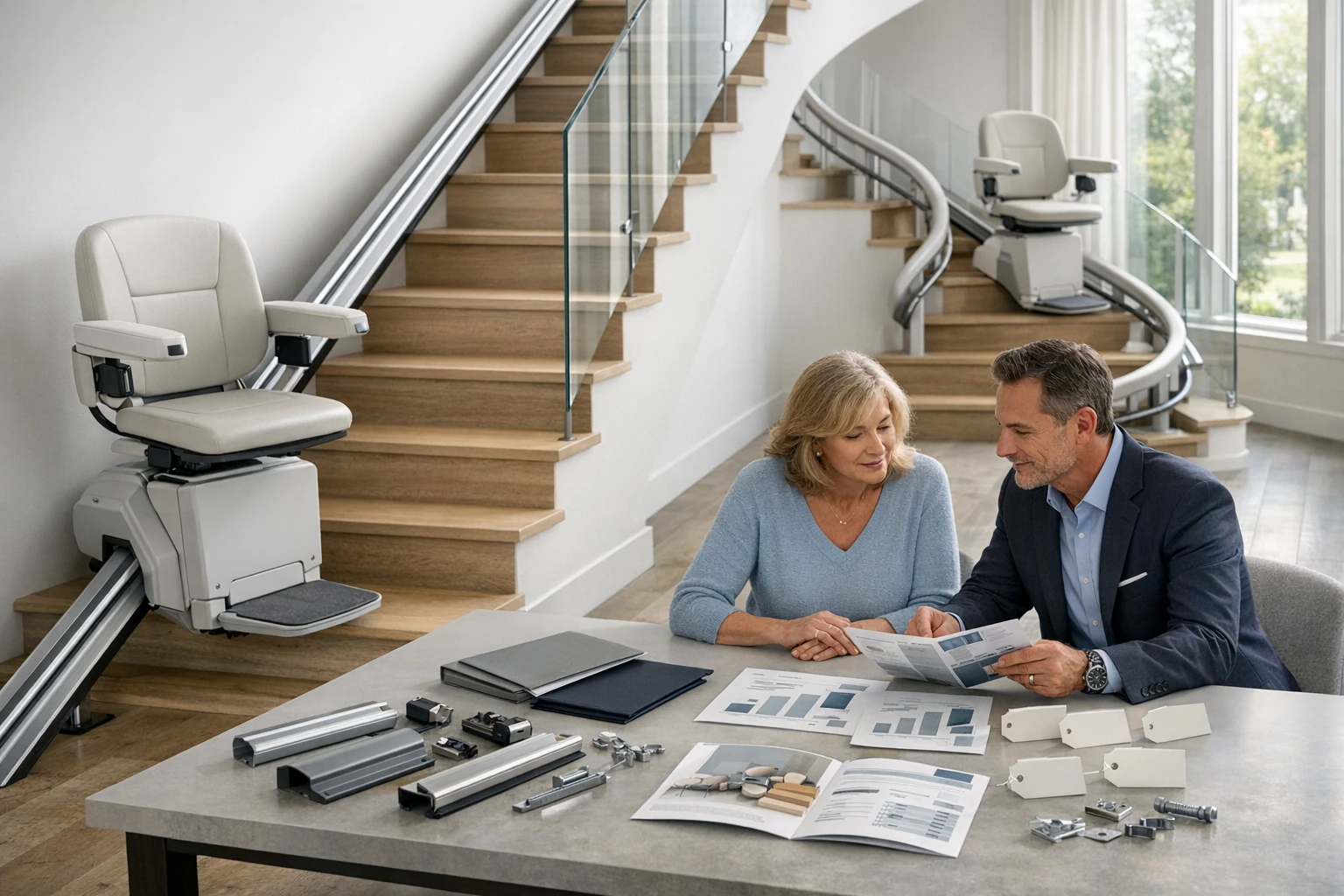
How Much Does a Stair Lift Cost? Full Pricing Guide
Understanding stair lift cost is one of the most important steps before choosing a mobility solution for your home. Prices vary based on staircase design, lift type, installation complexity, and features, which is why many buyers struggle to estimate the true investment.
Whether you are researching stair lift chair cost, comparing stair lift installation cost, or wondering how much does a stair lift cost, this guide breaks down real pricing factors, rental options, used stair lifts, and possible funding assistance.
We will compare average price ranges, explain what impacts total ownership costs, and show ways homeowners can save money while selecting the right system.
Table of Contents
- Average Stair Lift Prices
- Straight vs Curved Stair Lift Costs
- Installation Costs
- Rental vs Purchase Costs
- Used Stair Lift Prices
- What Impacts Price
- Ways to Save Money
- Are Stair Lifts Covered By Medicare
- FAQs
If you are new to mobility solutions, you may also want to start with our complete stair lift guide for a broader overview of types, safety features, and buying advice.
Stair Lift Cost Guide: Prices, Installation Costs and Buying Advice
Understanding stair lift pricing is one of the most important steps before buying. Costs vary based on staircase design, installation complexity, customization, and long-term ownership expenses. Many buyers underestimate total pricing because they focus only on the chair and ignore rail design, installation, warranties, and maintenance.
This guide breaks down average pricing, explains what affects cost, compares rental versus purchase options, and helps you understand what a stair lift may realistically cost for your home. For broader planning, see our complete stair lift guide.
Table of Contents
- Average Stair Lift Prices
- Straight vs Curved Stair Lift Costs
- Installation Costs
- Rental vs Purchase Costs
- Used Stair Lift Prices
- What Impacts Price
- Ways to Save Money
- Are Stair Lifts Covered By Medicare
- FAQs
Average Stair Lift Prices
Average stair lift pricing depends primarily on whether your staircase is straight, curved, outdoor, or requires custom engineering. For most residential buyers, straight stair lifts are the lowest-cost option, while curved systems are significantly more expensive due to custom rail fabrication.
Industry pricing sources and manufacturer references show typical installed price ranges like these:
| Stair Lift Type | Typical Price Range | Notes |
|---|---|---|
| Straight Stair Lift | $2,000–$5,000 | Most affordable option |
| Curved Stair Lift | $7,000–$15,000+ | Custom rail increases cost |
| Outdoor Stair Lift | $3,500–$8,000 | Weather-resistant components |
| Standing Stair Lift | $3,000–$7,000 | Specialized seating system |
| Used/Reconditioned | $1,000–$3,000 | Mainly available for straight lifts |
Key Price Takeaways
- Straight stair lifts generally offer the lowest entry cost
- Curved rails are the biggest driver of higher pricing
- Installation is often bundled but should always be confirmed
- Used stair lifts may reduce costs significantly
- Premium safety and comfort upgrades can raise total price
If you are comparing manufacturers, also review our best stair lift brands comparison before requesting quotes.
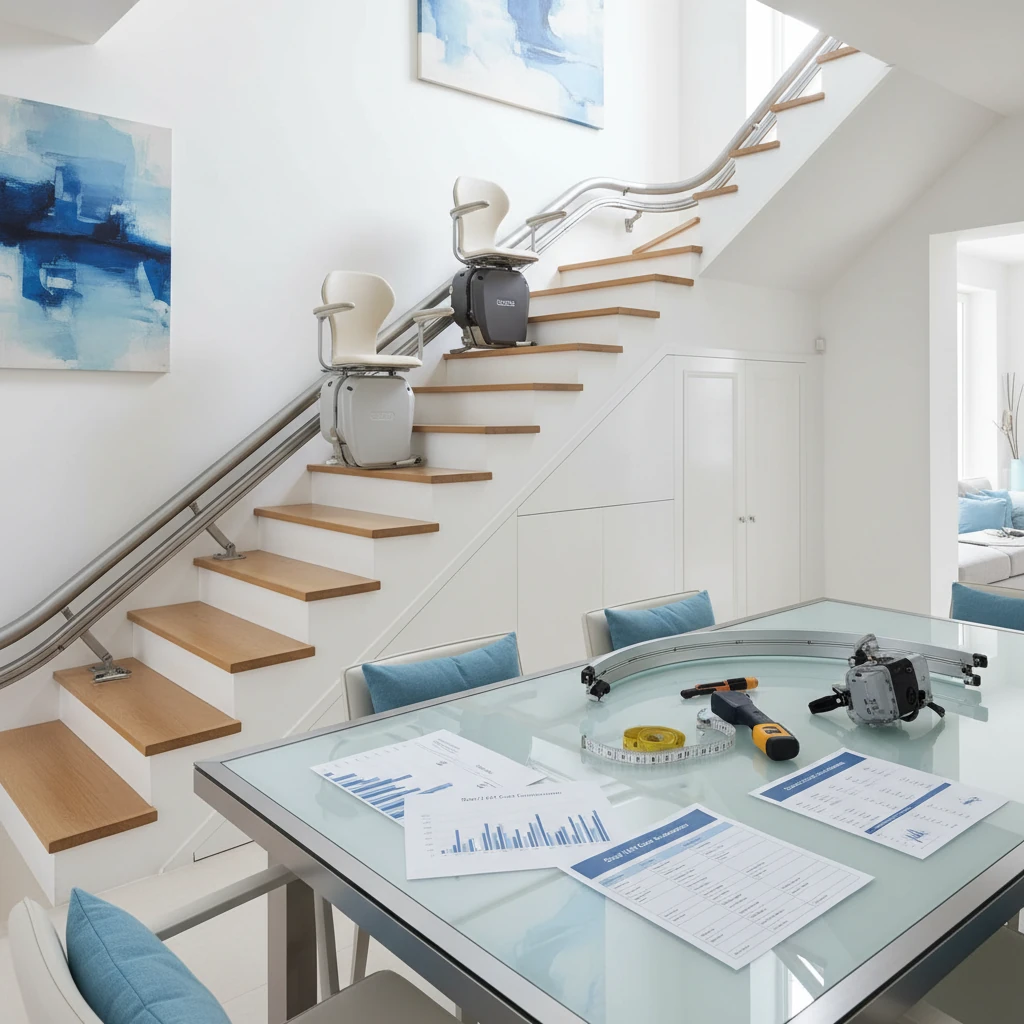
Straight vs Curved Stair Lift Costs
The biggest factor affecting stair lift pricing is staircase design. Straight systems use standardized rail systems and usually have lower manufacturing and installation costs, while curved systems require custom-built rails and higher engineering complexity.
For many buyers asking how much does a stair lift cost, the difference between straight and curved models is often the largest pricing variable. Straight models typically fall in the lower pricing tier, while curved systems can cost two to three times more due to custom fabrication.
If you are still comparing lift types, see our complete stair lift guide for a full overview of lift configurations and use cases.
Why Straight Stair Lifts Cost Less
- Standard rail systems reduce manufacturing costs
- Installation is faster and simpler
- Less custom engineering is required
- Used and reconditioned models are widely available
This is why straight stair lift chair cost is usually the most affordable entry point for homeowners.
Why Curved Stair Lifts Cost More
- Custom rail manufacturing for each staircase
- Advanced measuring and engineering
- More complex installation labor
- Longer production lead times
- Additional costs for landings and multiple turns
Most increases in stair lift installation cost on curved systems come from the rail, not the chair itself.
Straight vs Curved Cost Comparison
| Factor | Straight Stair Lift | Curved Stair Lift |
|---|---|---|
| Typical Price Range | $2,000–$5,000 | $7,000–$15,000+ |
| Rail Type | Standard | Custom-built |
| Installation Time | Few hours | Longer custom fitting |
| Engineering Complexity | Low | High |
| Used Availability | Common | Limited |
| Main Cost Driver | Basic rail length | Custom rail fabrication |
Which Offers Better Value?
For simple staircases, straight models usually provide the best value and lower stair lift average cost.
For homes with turns or landings, curved lifts cost more but may be the only safe solution. In some layouts, installers may evaluate whether two straight lifts can be a lower-cost alternative to one curved system.
To compare premium manufacturers by pricing and engineering quality, visit our best stair lift brands comparison .
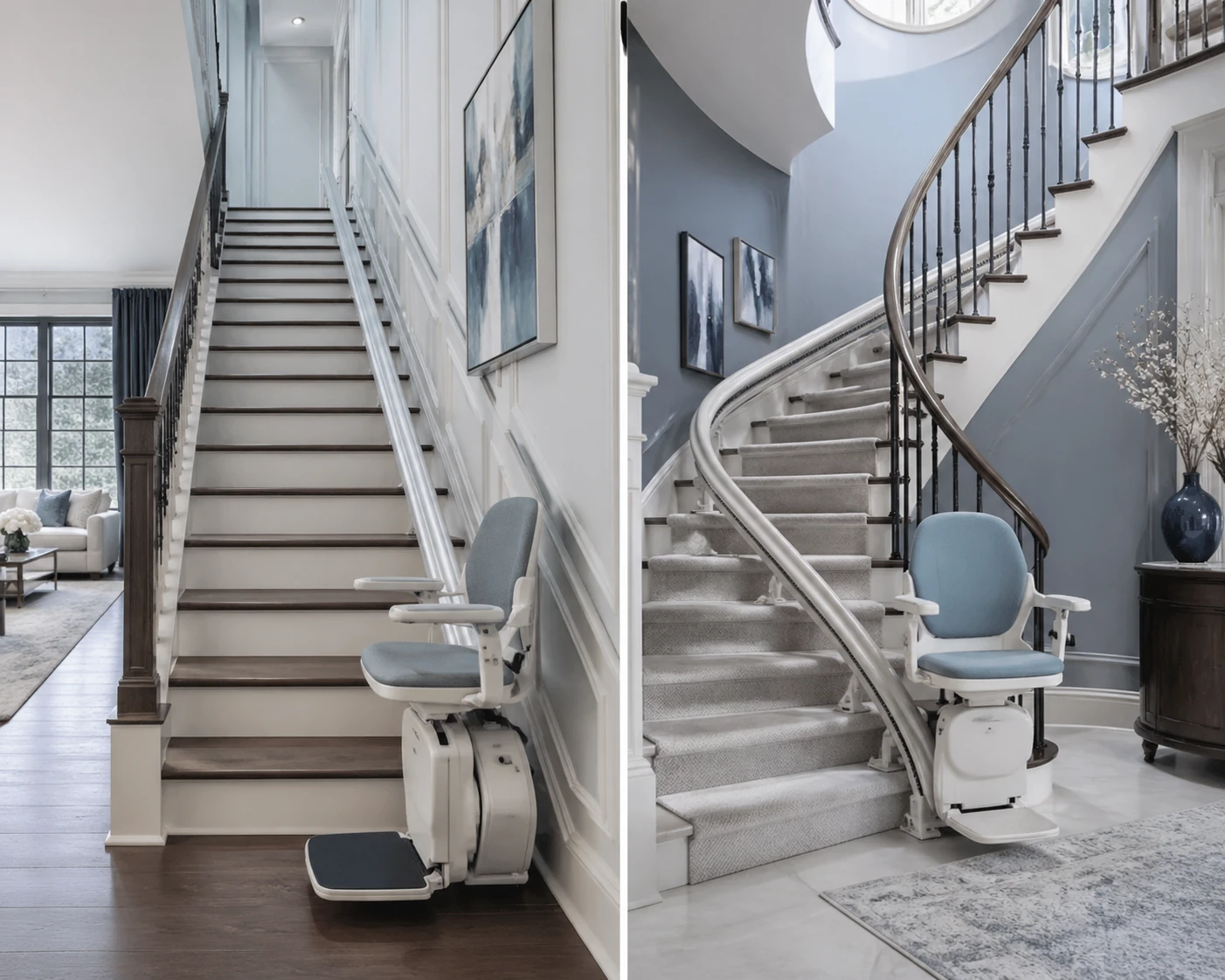
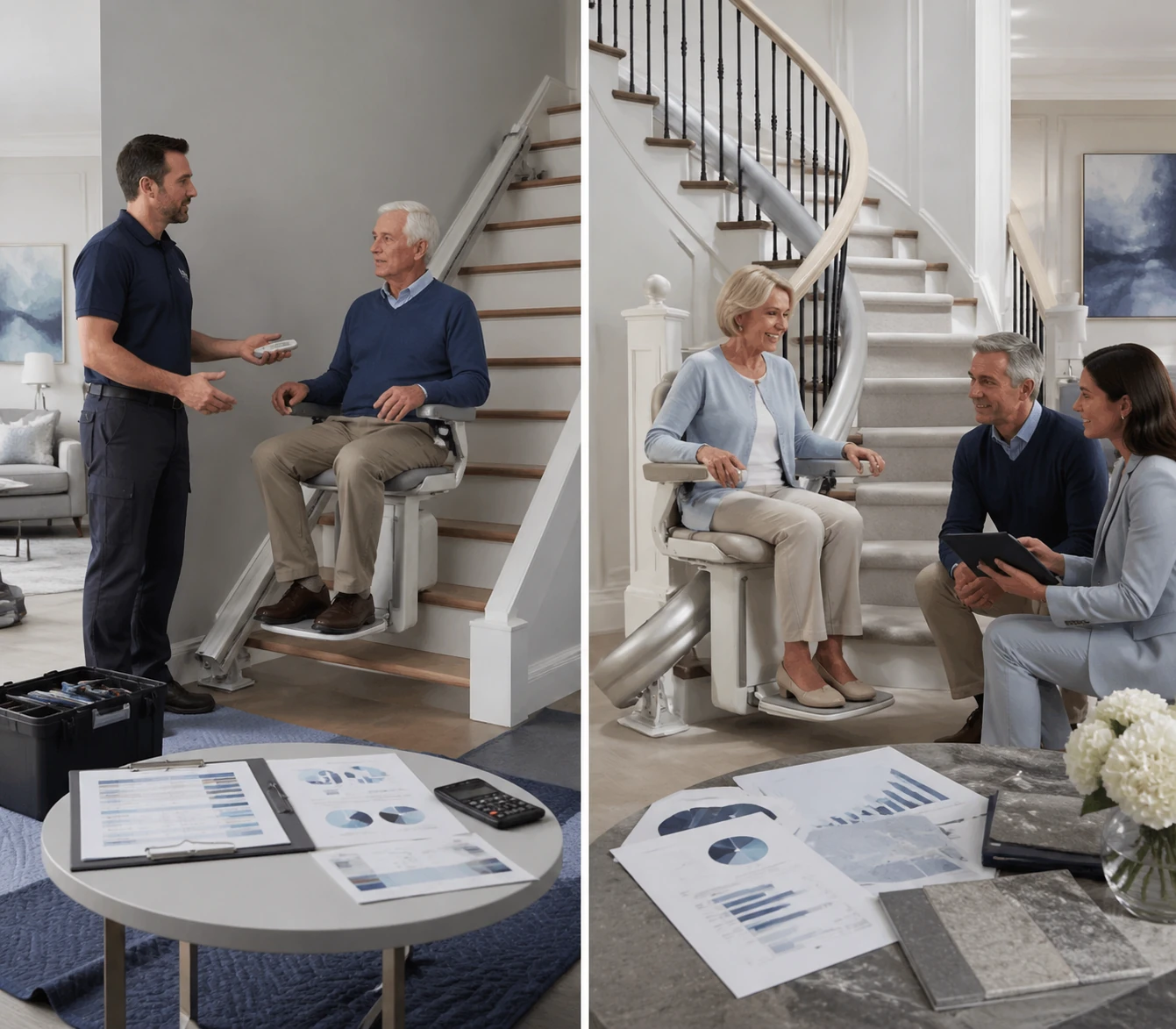
- Straight staircase with standard stair lift rail
- Curved staircase with custom rail system
- Visual emphasis on pricing comparison and complexity differences
- Subtle design elements showing value comparison and engineering detail
- Premium residential setting with clean modern lighting
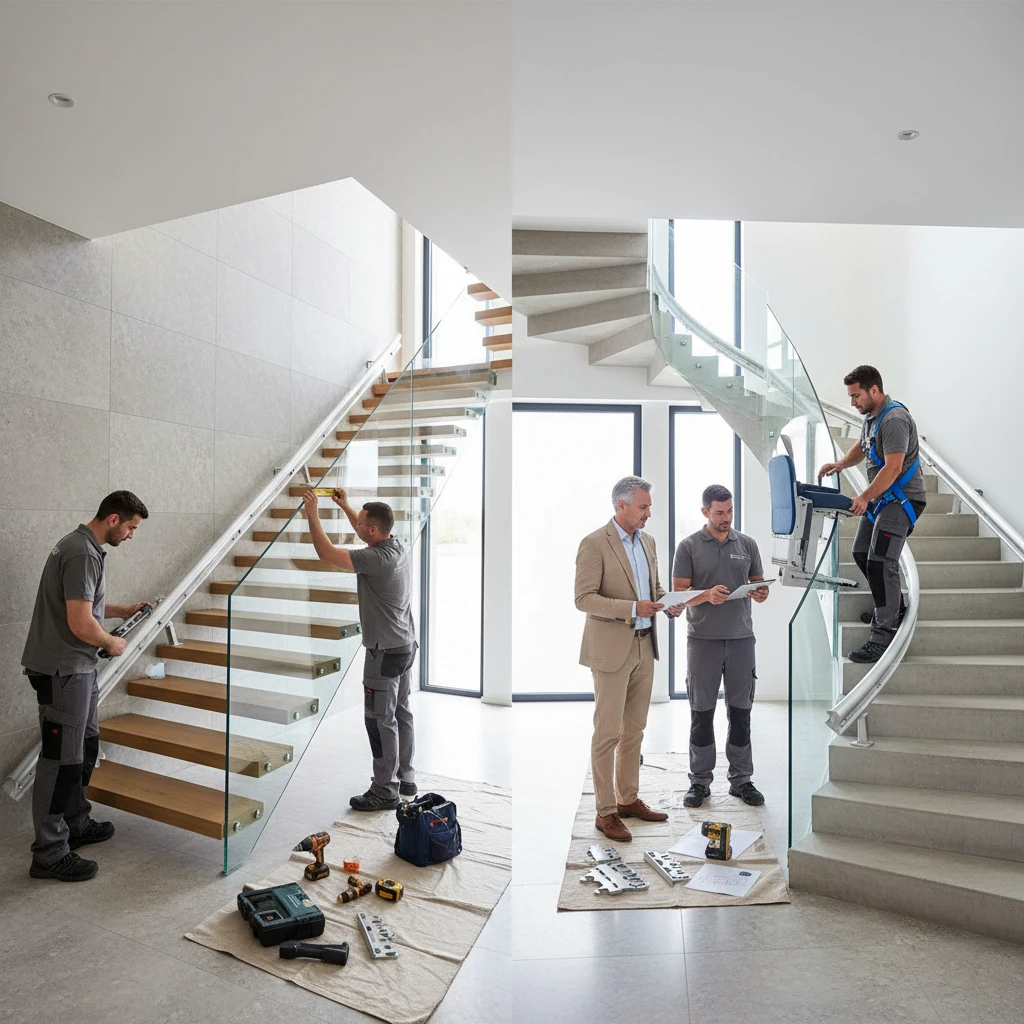
Installation Costs
Beyond equipment pricing, stair lift installation cost can significantly affect total ownership expenses. Installation costs vary based on staircase layout, rail complexity, labor requirements, electrical setup, and whether the system is straight or curved.
For standard straight models, installation is often simpler because rails attach directly to stair treads with minimal home modification. Curved systems usually involve custom rail fitting, precision measurements, and longer installation timelines.
Understanding installation pricing separately from equipment costs helps buyers compare quotes more accurately. For a broader overview, see our Complete Guide to Stair Lifts .
Average Stair Lift Installation Cost Ranges
| Installation Type | Typical Cost Range | Complexity |
|---|---|---|
| Straight Stair Lift | Lower Range | Low |
| Curved Stair Lift | Higher Range | High |
| Outdoor Stair Lift | Mid to High | Moderate |
| Heavy-Duty Systems | Mid to High | Moderate to High |
What Affects Installation Cost
- Staircase length and number of floors
- Curves, turns, and intermediate landings
- Custom rail fabrication requirements
- Electrical access and charging location setup
- Structural mounting complexity
- Indoor versus outdoor weatherproof installation
- Heavy-duty or specialized seat configurations
What Is Usually Included
Many stair lift companies bundle installation with equipment pricing, but coverage varies. A standard quote may include:
- Home assessment and stair measurements
- Rail delivery and assembly
- Chair setup and testing
- Basic user training
- Safety calibration
- Warranty registration
Possible Additional Charges
Some quotes exclude secondary costs, which can affect final budgeting. Potential add-on costs may include:
- Electrical outlet upgrades
- Custom folding rail upgrades
- Power swivel seats
- Heavy-duty capacity upgrades
- Outdoor weather covers
- Rush installation scheduling
Professional Installation vs DIY
Most manufacturers strongly recommend professional installation for warranty protection and safety compliance. Improper setup can affect rail alignment, sensor operation, and long-term performance.
If comparing manufacturers, review our best stair lift brands comparison to evaluate installation support networks.
Installation Cost Comparison by Scenario
| Scenario | Installation Cost Impact | Notes |
|---|---|---|
| Simple Straight Staircase | Low | Fastest installation |
| Curved Staircase | High | Custom fitting required |
| Outdoor Access Lift | Medium–High | Weather protection increases cost |
| Heavy-Duty Lift | Medium | May require reinforced setup |
Cost Tip Before Buying
When asking how much does a stair lift cost, always request a quote separating:
- Equipment price
- Installation labor
- Optional upgrades
- Warranty coverage
- Maintenance plans
This makes quote comparisons much easier and prevents hidden expenses.
Rental vs Purchase Costs
For many buyers researching stair lift rental cost, one of the biggest decisions is whether renting or buying offers better long-term value. The right option often depends on how long the stair lift will be needed, overall budget, and whether the mobility need is temporary or permanent.
Rental stair lifts can reduce upfront expenses, while purchasing may provide better long-term savings. Understanding both models helps compare total ownership costs rather than focusing only on initial pricing.
For a broader overview of stair lift types and ownership considerations, see our stair lift guide.
Rental vs Purchase Comparison
| Factor | Rental Stair Lift | Purchased Stair Lift |
|---|---|---|
| Upfront Cost | Lower | Higher |
| Long-Term Value | Lower | Higher |
| Best For | Temporary needs | Permanent mobility needs |
| Customization | Limited | Greater options |
| Ownership | No | Yes |
When Renting Makes Sense
A stair lift rental may be ideal in short-term situations such as:
- Post-surgery recovery periods
- Temporary injury rehabilitation
- Short-term elderly care situations
- Testing stair lift use before buying
- Budget limitations requiring low upfront costs
Rental options can be attractive when mobility limitations may improve over time.
Typical Rental Cost Structure
Most rental pricing may include several components:
- Initial setup or installation fee
- Monthly rental payment
- Service or maintenance coverage
- Optional removal charges
While monthly pricing can appear affordable, total rental costs may exceed purchase value over longer periods.
When Buying Is Better
Purchasing may offer stronger long-term value when mobility needs are ongoing. Buying often makes more sense for:
- Permanent mobility limitations
- Aging in place planning
- Multi-year expected use
- Users needing customized features
- Homes with curved staircases requiring custom rails
Many homeowners comparing stair lift for home cost find ownership more economical over several years.
Rental vs Purchase Cost Outlook
| Usage Period | Usually Better Option | Reason |
|---|---|---|
| Less than 6 months | Rental | Lower upfront commitment |
| 6–18 months | Depends | Compare total costs carefully |
| 2+ years | Purchase | Better long-term value |
Can Curved Stair Lifts Be Rented?
Straight stair lifts are much more common in rental programs. Curved stair lift rentals are often limited because custom rails are expensive and difficult to reuse.
For curved systems, purchase is usually the more practical option. See pricing differences in our best stair lift brands comparison.
Hidden Costs to Watch For
Whether renting or buying, compare quotes carefully for hidden charges such as:
- Installation fees not included
- Removal fees at rental end
- Service call charges
- Battery replacement costs
- Warranty limitations
- Used equipment refurbishment fees
Rental or Purchase by User Need
| User Situation | Recommended Option |
|---|---|
| Post-surgery recovery | Rental |
| Temporary rehabilitation | Rental |
| Senior aging in place | Purchase |
| Progressive medical condition | Purchase |
| Custom curved staircase | Purchase |
Value Perspective
The question is often not simply how much does a stair lift cost, but whether short-term affordability or long-term value matters more.
For temporary needs, rentals can be practical. For long-term accessibility planning, purchasing often delivers stronger value and more customization.
Used Stair Lift Prices
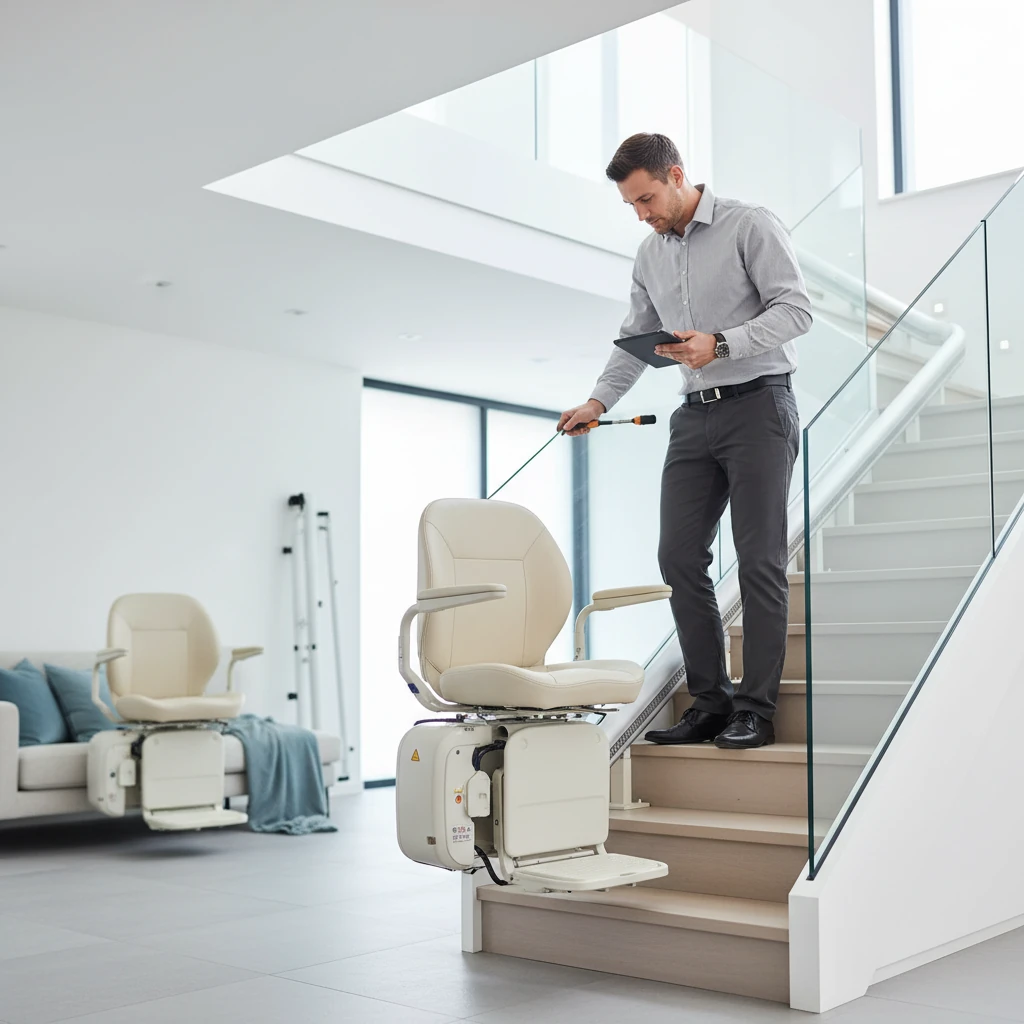
Buying a used stair lift can lower mobility costs significantly, especially for homeowners looking for budget-friendly accessibility solutions. For buyers researching stair lift chair cost, refurbished models can offer meaningful savings compared to new systems.
In many cases, professionally reconditioned stair lifts cost 30% to 50% less than comparable new models, particularly for straight staircases. However, used stair lift pricing depends heavily on condition, installation requirements, warranty coverage, and whether the unit is dealer-refurbished or privately resold.
For a broader overview of pricing factors, see our stair lift guide.
Average Used Stair Lift Prices
Most used stair lift prices fall into these general ranges:
| Type | Typical Used Price | Notes |
|---|---|---|
| Straight Stair Lift | Lower price range | Most common used option |
| Refurbished Dealer Units | Mid range | Often includes warranty |
| Heavy-Duty Used Models | Higher range | Limited availability |
| Curved Stair Lifts | Rarely available | Usually custom-built |
New vs Used Stair Lift Comparison
| Factor | New Stair Lift | Used Stair Lift |
|---|---|---|
| Purchase Price | Higher | Lower |
| Warranty Coverage | Full | Limited or partial |
| Customization | High | Lower |
| Expected Lifespan | Longer | Depends on condition |
| Maintenance Risk | Lower | Potentially higher |
Why Used Stair Lifts Cost Less
Lower stair lift average cost for used units is often due to:
- Previously owned motor and chair components
- Refurbished rather than newly manufactured systems
- Limited model selection
- Reduced warranty coverage
- Older generation technology in some units
Dealer Refurbished vs Private Sale
Not all used stair lifts offer equal value. Professionally refurbished systems are usually safer than private resale listings.
| Option | Pros | Risks |
|---|---|---|
| Dealer Refurbished | Inspected, serviced, warranty | Slightly higher cost |
| Private Seller | Lowest upfront price | No warranty, unknown condition |
Many experts recommend choosing dealer-refurbished systems over private second-hand units because safety testing and support matter more than purchase price alone.
Can You Buy Used Curved Stair Lifts?
This is where many buyers misunderstand pricing. Most used curved stair lifts are difficult to reuse because curved rails are custom built for a specific staircase. That often makes used curved systems impractical despite lower expectations. :
If you have a curved staircase, comparing new systems may be smarter. See our best stair lift brands comparison for options.
What Affects Used Stair Lift Prices
Several factors influence used pricing:
- Age of equipment
- Brand reputation
- Motor condition
- Battery health
- Rail replacement requirements
- Installation labor
- Included warranty
- Safety feature upgrades
Potential Hidden Costs
Used stair lifts may involve expenses buyers overlook:
- Removal and reinstallation fees
- New batteries
- Service adjustments
- Replacement seat or upholstery parts
- Safety inspection upgrades
- Older parts availability issues
A cheaper used lift can become expensive if repair costs appear quickly after purchase.
When Used Stair Lifts Make Sense
Used stair lifts may be ideal for:
- Budget-sensitive buyers
- Straight staircase installations
- Temporary or medium-term use
- Secondary residences
- Buyers prioritizing lower upfront investment
When Buying New May Be Better
New systems may be worth paying more when:
- Long-term daily use is expected
- Curved stairs require custom engineering
- Higher weight capacity is needed
- Warranty coverage matters
- Maximum reliability is the priority
Used Stair Lift Value Comparison
| Buyer Goal | Better Option |
|---|---|
| Lowest upfront cost | Used stair lift |
| Maximum reliability | New stair lift |
| Temporary need | Used or rental |
| Long-term aging in place | New stair lift |
Buying Tips Before Choosing Used
Before buying a used stair lift, ask:
- Is installation included?
- Does it include a warranty?
- Are replacement parts available?
- Has the lift been professionally inspected?
- Are batteries and safety sensors updated?
Those questions often matter more than the advertised stair lift price range.
What Impacts Price
The biggest mistake buyers make when researching stair lift cost is assuming price depends only on brand. In reality, the final stair lift price range is shaped by staircase design, customization, installation difficulty, and long-term support requirements.
Two stair lifts from the same manufacturer can vary dramatically in price depending on home layout and user needs. Understanding these cost drivers helps homeowners budget accurately and avoid surprises.
For a broader overview of models and buying considerations, see our stair lift guide.
1. Staircase Type Has the Biggest Cost Impact
The largest pricing factor is staircase configuration. Straight staircases usually cost less because they use standardized rails. Curved staircases often raise how much does a stair lift cost due to custom engineering.
| Stair Type | Price Impact | Why |
|---|---|---|
| Straight | Lower | Standard rail systems |
| Curved | Higher | Custom fabrication required |
| Outdoor | Medium to High | Weather-resistant components |
| Narrow or Complex | Higher | Additional customization |
2. Rail Length and Stair Travel Distance
Longer staircases generally increase material and labor costs. More rail means more components, longer installation time, and potentially stronger drive systems.
- Number of stair steps
- Total rail length
- Landings or turns
- Upper or lower overrun extensions
3. Custom Features Increase Pricing
Optional upgrades can raise stair lift chair cost substantially. Premium comfort and safety features often add to the final quote.
- Powered swivel seats
- Powered footrests
- Folding rails
- Heavy-duty seating
- Enhanced upholstery options
- Advanced safety sensors
4. Weight Capacity Can Affect Price
Higher weight capacities often require reinforced rails, stronger motors, and upgraded components. That can influence pricing significantly.
| Capacity Type | Price Effect |
|---|---|
| Standard Capacity | Lower |
| Heavy Duty Models | Higher |
Compare these differences in our best stair lift brands comparison.
5. Installation Complexity Changes Cost
Many homeowners underestimate how much installation affects stair lift installation cost.
Factors that increase labor pricing include:
- Electrical access requirements
- Structural mounting challenges
- Complex curved rail fitting
- Outdoor weatherproof setup
- Multi-flight stair installations
For installation-specific pricing, see our stair lift installation guide.
6. Brand and Manufacturer Reputation
Premium brands often carry higher pricing due to engineering, warranties, and dealer support.
| Brand Factor | Price Impact |
|---|---|
| Budget Manufacturer | Lower upfront cost |
| Premium Brand | Higher, often better support |
| Established Service Network | May increase value |
7. Indoor vs Outdoor Stair Lift Costs
Outdoor models typically cost more due to exposure protection. Weatherproofing increases materials and engineering requirements.
- Rust-resistant rails
- Sealed electronics
- Water-resistant seats
- Protective covers
- UV-resistant finishes
8. New vs Used vs Rental Pricing
Purchase method affects overall stair lift average cost too.
| Option | Typical Cost Level | Best For |
|---|---|---|
| New | Higher | Long-term ownership |
| Used | Lower | Budget buyers |
| Rental | Lower upfront | Temporary need |
9. Warranty Coverage Impacts Value
Lower-priced systems sometimes appear cheaper because they include limited coverage. But warranty length often affects long-term ownership cost.
- Motor coverage
- Parts warranty
- Labor warranty
- Service call support
- Extended protection options
10. Hidden Costs Buyers Often Miss
Some pricing quotes exclude important ownership expenses. Common overlooked costs include:
- Battery replacement
- Maintenance service visits
- Repair adjustments
- Removal or relocation costs
- Optional warranty extensions
Price Impact Summary
| Factor | Impact on Price |
|---|---|
| Curved rails | Very High |
| Custom features | Moderate to High |
| Heavy-duty capacity | Moderate |
| Installation complexity | High |
| Brand choice | Moderate |
| Outdoor use | Moderate to High |
Price vs Value Matters More Than Price Alone
The lowest quote does not always mean the best value. A stair lift with stronger warranty support, smoother ride quality, and lower maintenance may save more long term than the cheapest option.
That is why understanding what drives stair lift for home cost matters more than comparing sticker prices alone.
Ways to Save Money
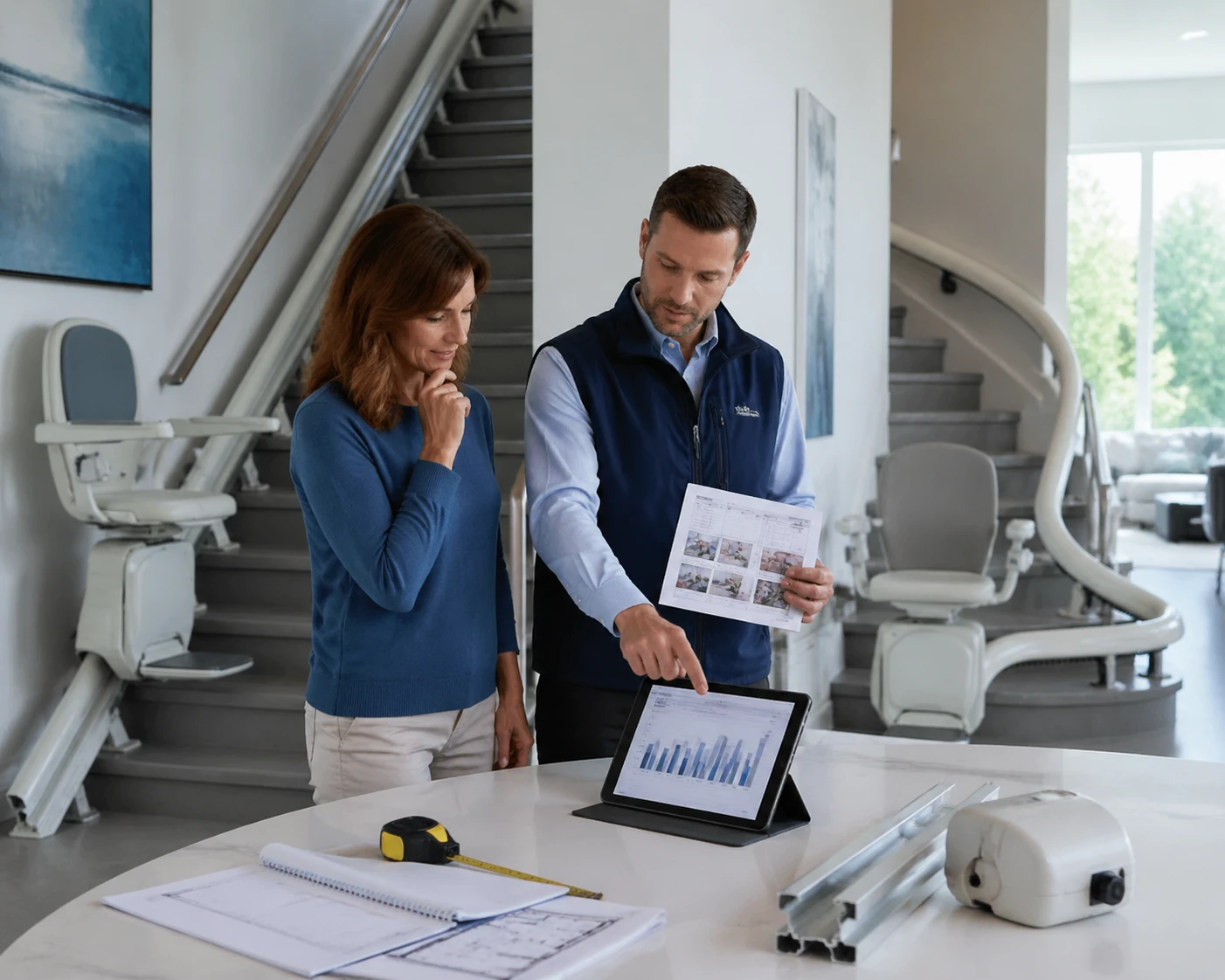
A stair lift can be a major accessibility investment, but there are practical ways to reduce stair lift cost without sacrificing safety or reliability.
Many buyers focus only on negotiating equipment prices, but real savings often come from smarter product selection, financial assistance, and avoiding unnecessary upgrades.
If you are still comparing systems, see our stair lift guide for broader buying advice.
1. Compare Multiple Quotes
One of the simplest ways to reduce how much does a stair lift cost is getting quotes from multiple providers.
Prices can vary substantially between installers for nearly identical systems. Comparing at least three quotes often reveals major differences in:
- Equipment pricing
- Installation labor
- Warranty coverage
- Maintenance plans
- Included features
2. Choose Straight Stair Lifts When Possible
Straight stair lifts usually have the lowest stair lift price range because they use standardized rails.
If home layout allows a straight system instead of a curved custom rail, savings can be substantial.
| Cost Saving Strategy | Potential Savings Impact |
|---|---|
| Choose straight rail system | High |
| Reduce optional upgrades | Moderate |
| Buy refurbished | High |
| Use financial assistance programs | Very High |
3. Consider Refurbished Stair Lifts
Used or dealer-refurbished units can lower stair lift chair cost significantly.
Professionally reconditioned lifts may provide:
- Lower upfront purchase cost
- Safety-tested equipment
- Limited warranties
- Professional installation options
This option often works best for straight staircases.
4. Avoid Paying for Features You Do Not Need
Premium upgrades can raise prices quickly. Some buyers overspend on features that add little practical value.
Optional upgrades worth reviewing carefully:
- Powered swivel seats
- Powered footrests
- Luxury upholstery packages
- Advanced folding rails
- Premium control upgrades
Prioritize safety essentials before convenience upgrades.
5. Check Grants and Financial Assistance
Many buyers overlook programs that may lower stair lift for home cost.
Possible assistance sources may include:
- Veterans benefits programs
- State accessibility grants
- Nonprofit mobility assistance funds
- Local aging support programs
- Home modification assistance programs
6. Ask About Rental for Short-Term Needs
If the mobility need is temporary, rental may cost far less than buying. This can be valuable after surgery or injury recovery.
Rental may save money when:
- Need is temporary
- Recovery duration is limited
- Budget is tight
- Long-term ownership is uncertain
7. Bundle Installation with Purchase
Some dealers offer package pricing that lowers stair lift installation cost.
Bundled offers may include:
- Discounted installation
- Free home assessment
- Initial maintenance service
- Extended warranty promotions
See our stair lift installation guide for installation planning.
8. Compare Brands for Better Value
The cheapest brand is not always the best long-term deal. Sometimes paying slightly more reduces maintenance costs later.
Compare manufacturers in our best stair lift brands guide.
9. Buy Before Mobility Becomes Urgent
Planning early often saves money. Emergency purchases often lead to rushed decisions and fewer pricing options.
- More time to compare quotes
- Better model selection
- Lower risk of costly mistakes
- Less pressure-driven overspending
10. Avoid Common Costly Mistakes
Many buyers increase costs unintentionally by:
- Choosing based only on lowest price
- Ignoring future mobility needs
- Overbuying unnecessary upgrades
- Skipping warranty comparison
- Not comparing installers
Money-Saving Comparison
| Strategy | Savings Potential | Best For |
|---|---|---|
| Multiple quotes | Moderate | All buyers |
| Refurbished lifts | High | Budget buyers |
| Rental option | High | Temporary need |
| Assistance programs | Very High | Qualified applicants |
| Skipping upgrades | Moderate | Value-focused buyers |
Focus on Value, Not Just Lowest Price
Saving money should never come at the expense of safety. The best way to lower stair lift average cost is choosing the right system at the right value — not simply the cheapest quote.
Benefits of Stair Lifts Covered by Medicare
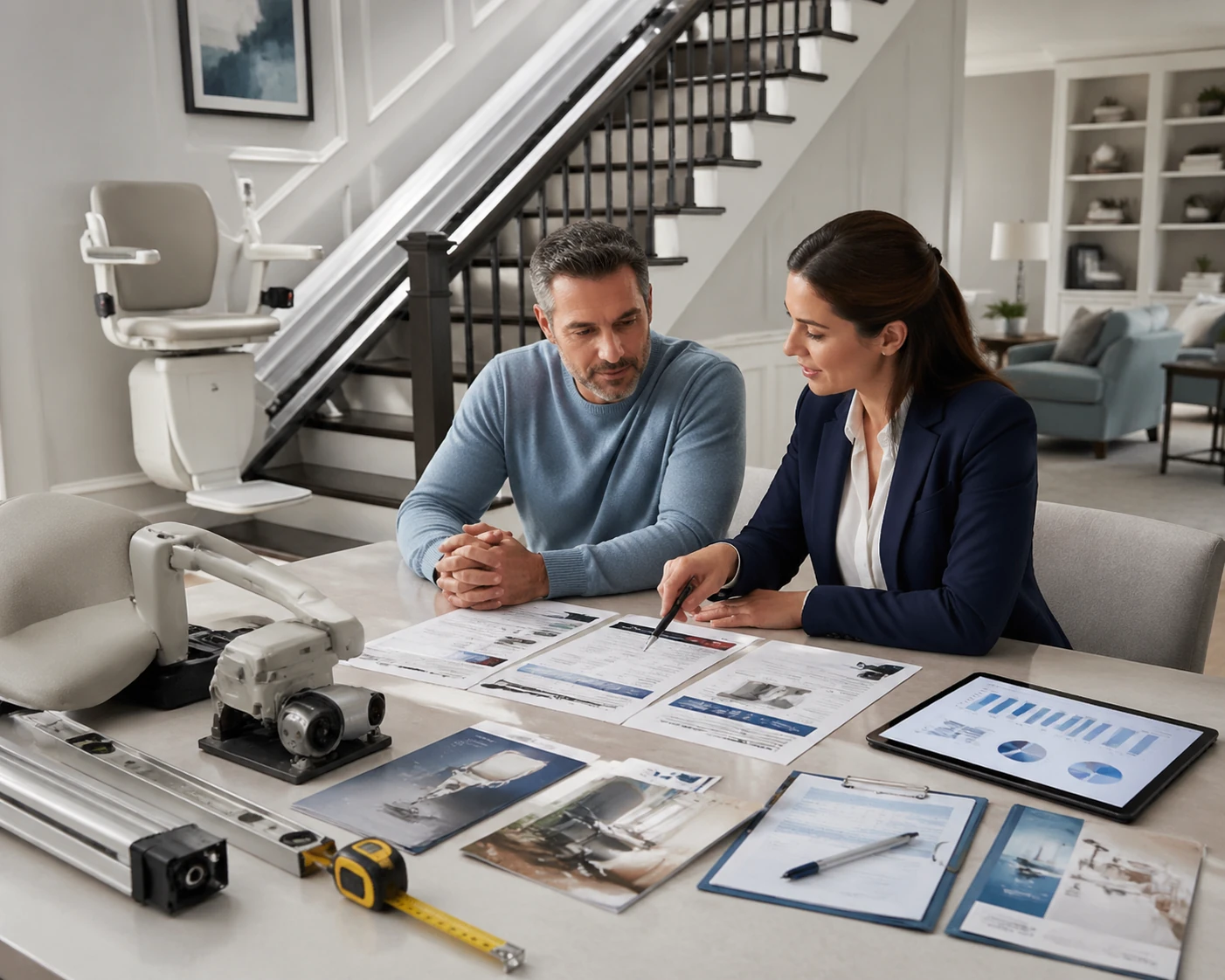
Many buyers ask whether stair lift systems are covered by Medicare before making a purchase decision. The short answer is that Original Medicare (Part A and Part B generally does not cover stair lifts) because they are considered home modifications rather than durable medical equipment.
However, that does not mean financial assistance is impossible. Some users may find support through alternative programs, supplemental insurance options, or government assistance programs.
What Medicare Usually Does Not Cover
- Purchase cost of a stair lift chair
- Rail and equipment installation
- Custom curved stair lift systems
- Maintenance and repairs
- Battery replacements or service plans
Because a stair lift is categorized as a home accessibility modification, it typically falls outside standard Medicare equipment coverage.
Possible Financial Assistance Alternatives
Although traditional Medicare often excludes stair lifts, buyers may still explore other funding sources:
- Some Medicare Advantage plans may offer limited supplemental home safety benefits
- Veterans may qualify through VA housing adaptation grants
- State Medicaid waiver programs may help in some cases
- Nonprofit aging assistance programs may provide support
- Manufacturer financing programs may reduce upfront costs
For buyers researching total pricing options, see our Complete Stair Lift Guide for broader planning advice.
Coverage Comparison Table
| Funding Source | Potential Coverage | Notes |
|---|---|---|
| Original Medicare | No | Typically excludes stair lifts |
| Medicare Advantage | Possible limited support | Plan dependent |
| Medicaid Waivers | Possible | Varies by state |
| VA Grants | Possible | Eligibility required |
| Manufacturer Financing | Yes | Payment plans available |
When Coverage Alternatives Matter Most
Alternative funding may be worth exploring when:
- Curved stair lift pricing exceeds budget
- Long-term mobility needs are expected
- Heavy-duty models raise total costs
- Installation complexity increases project price
- Buyers want financing before relocating
For many households, combining grants, financing, or rental options may make a stair lift more affordable than expected.
FAQs
How much does a stair lift cost on average?
Average stair lift cost depends on staircase design, customization, and installation complexity. Straight stair lifts usually cost less, while curved systems are typically more expensive due to custom rail engineering.
How much does a stair lift cost installed?
Complete stair lift installation cost often includes equipment, rail system, professional installation, and optional upgrades. Final pricing depends on home layout and model type.
Are curved stair lifts more expensive than straight models?
Yes. Curved systems usually raise stair lift price range because each rail is custom-built to fit the staircase.
Can you rent a stair lift instead of buying?
Yes. Rental options can lower upfront costs and may be ideal for temporary recovery situations. Rental may be a practical alternative to purchasing for short-term mobility needs.
Are used stair lifts worth buying?
Used or refurbished systems can reduce stair lift chair cost, particularly for straight staircases. Buyers should verify safety inspection, warranty, and professional installation support.
What factors increase stair lift pricing the most?
The biggest drivers of how much does a stair lift cost are usually:
- Curved staircase design
- Custom rail fabrication
- Heavy-duty weight capacity
- Premium comfort upgrades
- Installation complexity
Are stair lifts covered by Medicare?
Original Medicare generally does not cover stair lifts because they are considered home modifications, though some buyers may qualify for assistance through other programs.
What is cheaper: stair lift or moving?
For many homeowners, a stair lift for home cost is often far lower than relocation, assisted living, or major home remodeling.
Which stair lift brands offer the best value?
Value depends on budget, staircase type, and long-term support needs. Compare manufacturers in our best stair lift brands guide.
How can I save money on a stair lift?
Ways to reduce stair lift average cost include:
- Comparing multiple quotes
- Considering refurbished models
- Exploring rental options
- Checking assistance programs
- Avoiding unnecessary upgrades
Conclusion
Understanding stair lift cost involves far more than comparing equipment prices. Staircase type, installation requirements, rental options, used models, financing choices, and long-term value all influence the right buying decision.
For some homeowners, a simple straight lift offers an affordable mobility solution. For others, curved systems or heavy-duty models may justify higher upfront investment for long-term accessibility and safety.
The key is evaluating price alongside reliability, warranty support, and future mobility needs rather than focusing only on the lowest quote.
If you are still comparing models, features, and brands, start with our Complete Stair Lift Guide for a full overview, or compare manufacturers in our Best Stair Lift Brands resource.
With the right planning, a stair lift can be not only a mobility upgrade but a smart long-term investment in independence and home safety.