
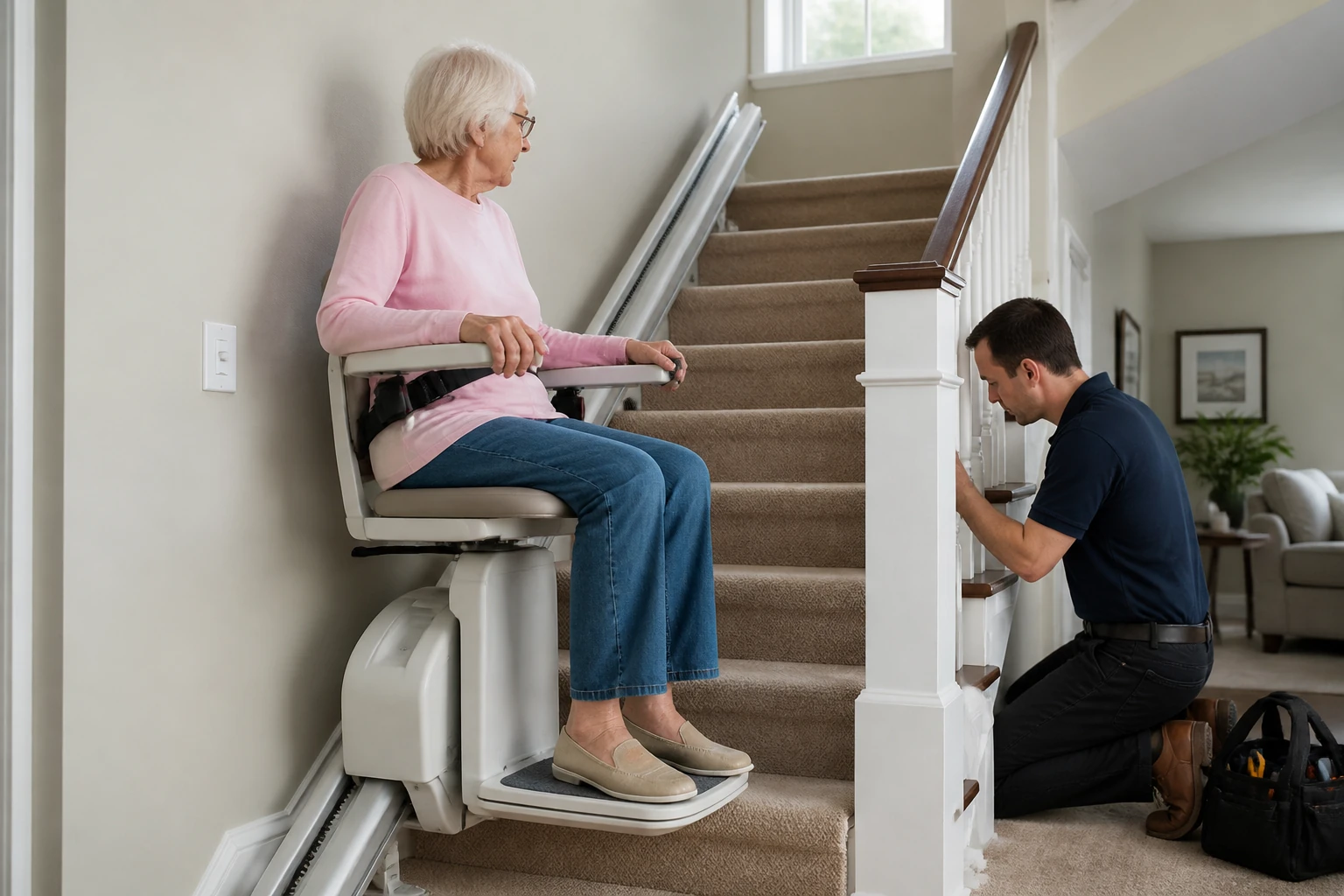
A Stair Lift is more than just a mobility solution—it is a daily safety system that protects independence, comfort, and peace of mind. Whether you’re supporting an aging family member or improving accessibility in your home, ensuring your stair lift operates safely and efficiently is essential.
But here’s the reality: even the best stair lift systems require proper maintenance, routine checks, and basic troubleshooting knowledge to avoid unexpected breakdowns or safety risks. Without the right care, small issues can quickly turn into costly repairs—or worse, compromise user safety.
In this complete guide, you’ll discover everything you need to keep your stair lift running smoothly—from essential safety features and maintenance routines to common problems and expert troubleshooting tips. If you’re still exploring your options, you can start with our complete stair lift guide to understand how these systems work.
By the end of this article, you’ll have the confidence to maintain your stair lift properly, recognize warning signs early, and know exactly when to call a professional.
Table of Contents
- Why Stair Lift Safety Matters
- Essential Stair Lift Maintenance Tips
- Common Stair Lift Problems and Fixes
- Troubleshooting Before Calling a Technician
- When to Call a Professional
- How Long Does a Stair Lift Last?
- Cost of Stair Lift Repairs and Maintenance
- Safety Tips for Daily Use
- Frequently Asked Questions
Why Stair Lift Safety Matters
Stairs are one of the most common sources of injury in residential environments, especially for seniors and individuals with limited mobility. A properly maintained stair lift significantly reduces fall risk and ensures safe movement between floors.
Modern systems include built-in safety features designed to protect users during operation. However, these features only remain effective when regularly checked and properly used.
Seat Belts
Seat belts keep users securely positioned during movement and prevent slipping or imbalance while the stair lift is in operation.
Obstacle Sensors
Sensors detect objects on the stairs and automatically stop the system to avoid collisions with obstacles, pets, or debris.
Emergency Stop
Emergency stop buttons allow immediate shutdown of the stair lift in unsafe situations, giving users full control at all times.
Battery Backup
Battery systems ensure the stair lift continues working during power outages, maintaining accessibility when it is needed most.
To understand how safety features are installed and configured, read our stair lift installation process for a complete breakdown.
Essential Stair Lift Maintenance Tips
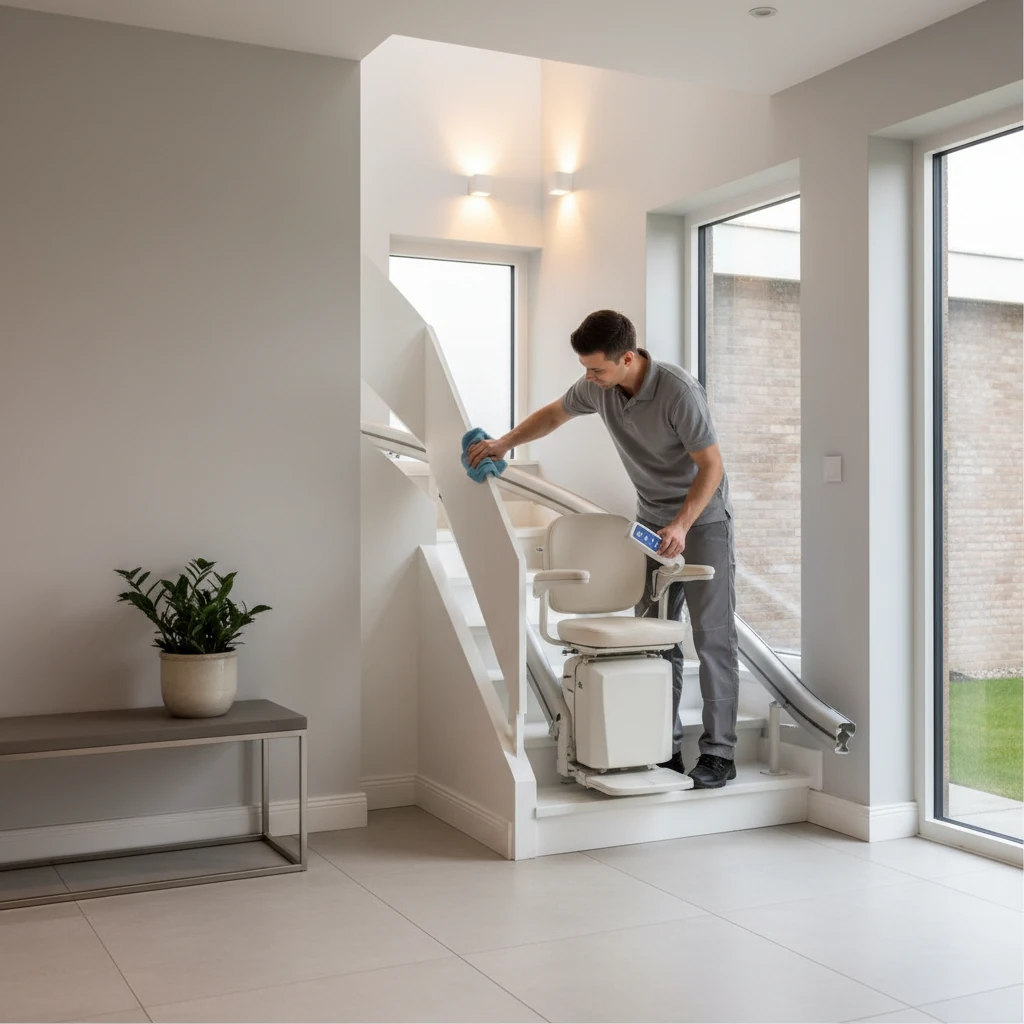
Proper stair lift maintenance is essential to ensure long-term reliability, safety, and smooth operation. A well-maintained stair lift not only lasts longer but also reduces the risk of unexpected breakdowns and costly repairs.
Routine care can be divided into three levels: daily or weekly checks, monthly inspections, and annual professional servicing. Following this structured approach helps maintain performance and safety standards.
Daily / Weekly Maintenance Checklist
- Clean the rail and track to remove dust and debris
- Ensure the seat swivels smoothly at top and bottom landings
- Check seatbelt functionality and locking mechanism
- Listen for unusual noises during operation
- Verify smooth start and stop movement
Monthly Maintenance Checklist
- Test remote controls and call/send functions
- Inspect battery performance and charging status
- Check safety sensors for proper response
- Ensure footrest obstruction sensors are working correctly
- Inspect rail alignment and mounting stability
Annual Professional Servicing
- Full system inspection by certified technician
- Motor and drive system performance testing
- Electrical wiring and connection check
- Lubrication of moving components
- Software or control system updates (if applicable)
Regular stair lift servicing ensures optimal performance and prevents minor issues from becoming major mechanical failures. For complete system understanding, see our complete stair lift guide.
| Maintenance Level | Frequency | Key Tasks |
|---|---|---|
| Basic Checks | Daily / Weekly | Cleaning track, checking seat movement, listening for noise |
| Intermediate Checks | Monthly | Battery test, remote control check, sensor inspection |
| Professional Service | Annually | Full inspection, motor testing, lubrication, system diagnostics |
Common Stair Lift Problems and Fixes
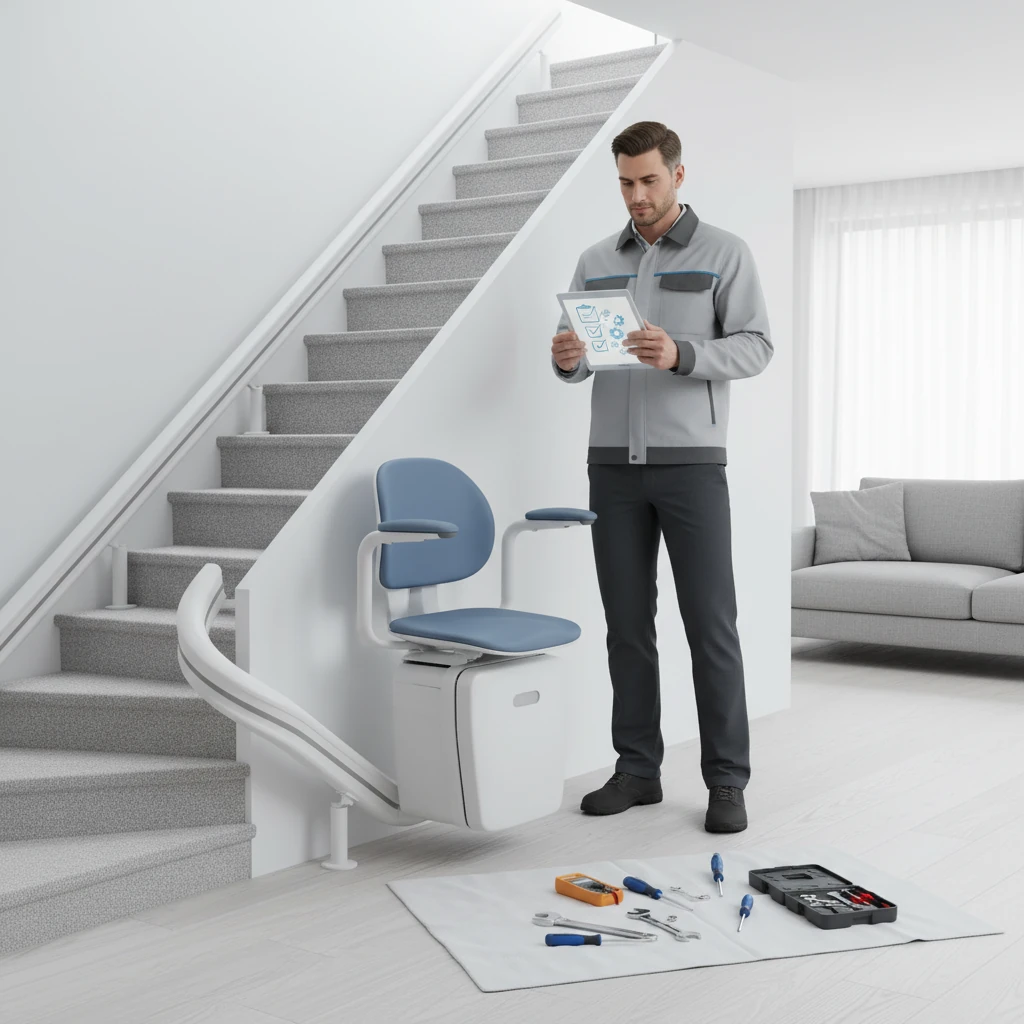
Even the most reliable stair lift systems can experience occasional issues over time. Understanding common problems and knowing basic fixes can prevent unnecessary service calls and reduce downtime.
Below are the most frequent stair lift problems along with practical solutions homeowners can try before contacting a technician.
Stair Lift Not Moving
This is one of the most common issues users face.
- Check if the stair lift is properly plugged into a power source
- Ensure the key switch is turned on
- Verify that the remote control is working correctly
- Confirm the seat is fully locked in position
In many cases, a simple power interruption or unlocked seat prevents operation.
Beeping Sounds or Warning Alerts
Beeping is usually an early warning system, not a failure.
- Low battery warning requiring recharge or replacement
- Obstruction detected by safety sensors
- Seat or footrest not in correct position
- System alert indicating maintenance is needed
Always refer to your stair lift manual for specific beep codes.
Jerky or Rough Movement
Smooth operation is essential for safety and comfort.
- Dirty or dusty rail causing friction
- Lack of lubrication on moving parts
- Worn rollers or drive components
- Track misalignment in older systems
Cleaning the rail often resolves this issue quickly. Persistent problems may require professional servicing.
Remote Control Not Working
Remote issues are common but usually easy to fix.
- Replace batteries in the remote control
- Ensure signal range is not blocked
- Re-sync the remote with the stair lift system
- Check for physical damage to the device
If the remote still fails, a replacement unit may be needed.
Stair Lift Stops Midway
This can be concerning but often has simple causes.
- Obstacle detected on the track
- Low battery charge
- Weight capacity exceeded
- Safety sensors triggered unintentionally
Check for obstructions and ensure the system is within its operating limits.
Quick Troubleshooting Checklist
- Is the stair lift powered on?
- Is the seat locked and facing forward?
- Are the safety sensors clear?
- Is the battery fully charged?
- Is the remote control functioning?
If all checks are completed and the issue remains, it is recommended to consult a professional technician.
| Problem | Possible Cause | Quick Fix |
|---|---|---|
| Not moving | Power or seat issue | Check plug and seat lock |
| Beeping | Low battery or alert | Charge or inspect system |
| Jerky motion | Dirty rail | Clean track |
| Remote failure | Dead battery | Replace batteries |
| Stops midway | Obstacle or overload | Clear path and check weight |
By understanding these common issues, users can keep their stair lift functioning safely and efficiently while minimizing unnecessary repair costs.
Troubleshooting Before Calling a Technician
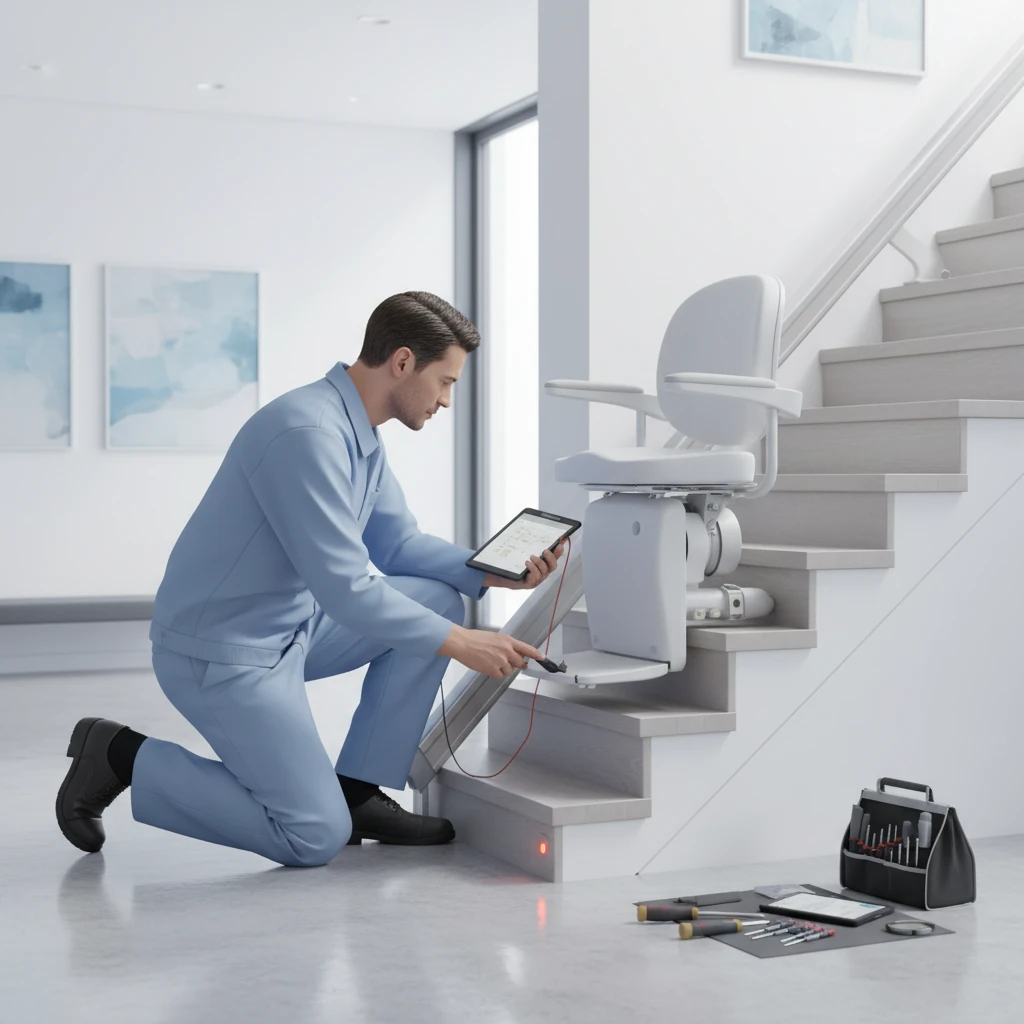
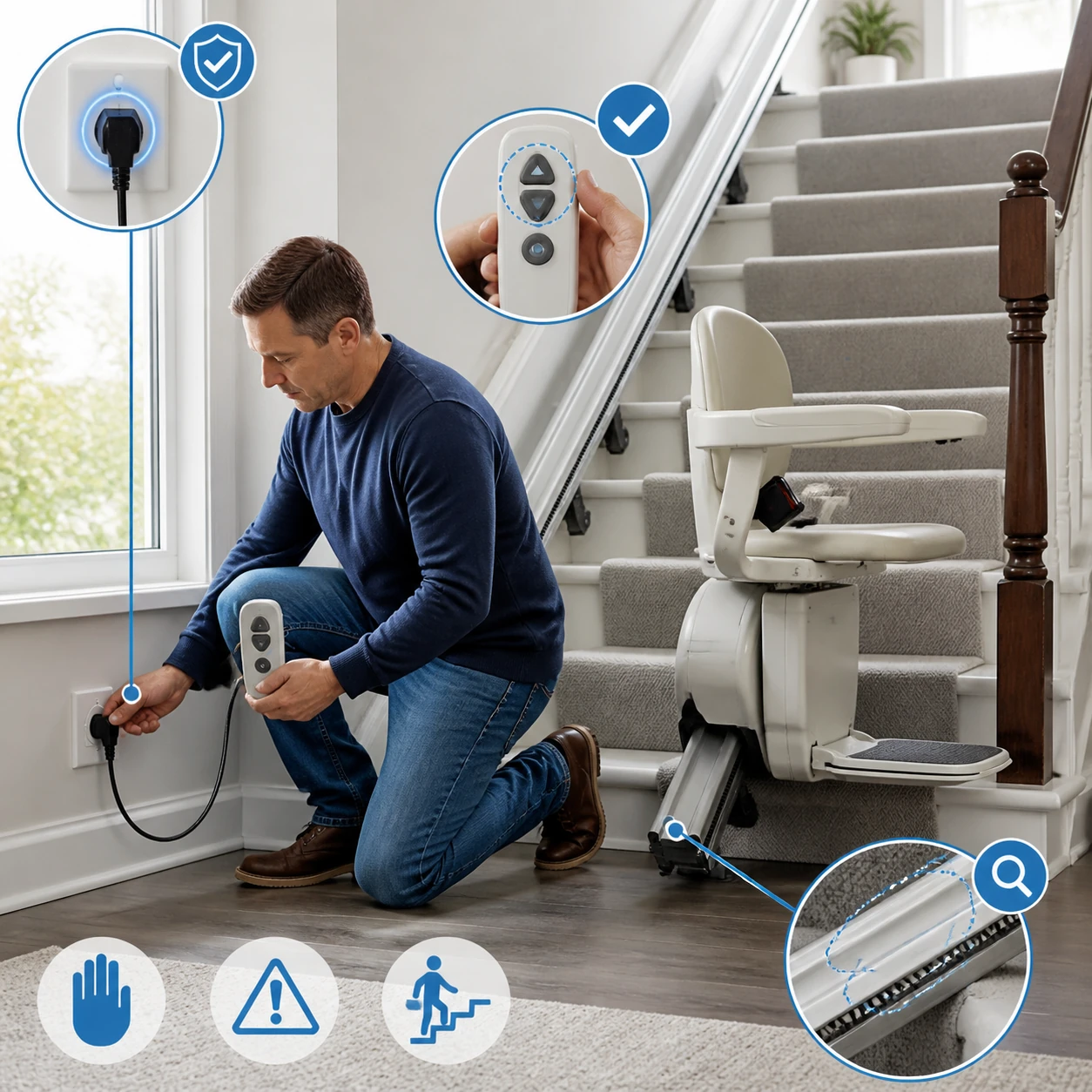
Before contacting a technician, many stair lift issues can be resolved with simple checks. These quick troubleshooting steps help identify common problems and may restore functionality without professional service.
Follow this step-by-step checklist:
- Check if the stair lift is properly plugged into the power source
- Ensure the key switch is turned on
- Verify that the remote control is working and has battery power
- Inspect the track for dirt, dust, or physical obstructions
- Make sure the seat is fully locked in position
- Check safety sensors for blockage or misalignment
- Confirm that the battery is charged (especially after a power outage)
Most stair lift troubleshooting cases are related to power supply issues or sensor interruptions. Performing these checks can save time and prevent unnecessary service calls.
If the problem persists after completing all steps, it may indicate a deeper mechanical or electrical fault that requires professional inspection.
When to Call a Professional
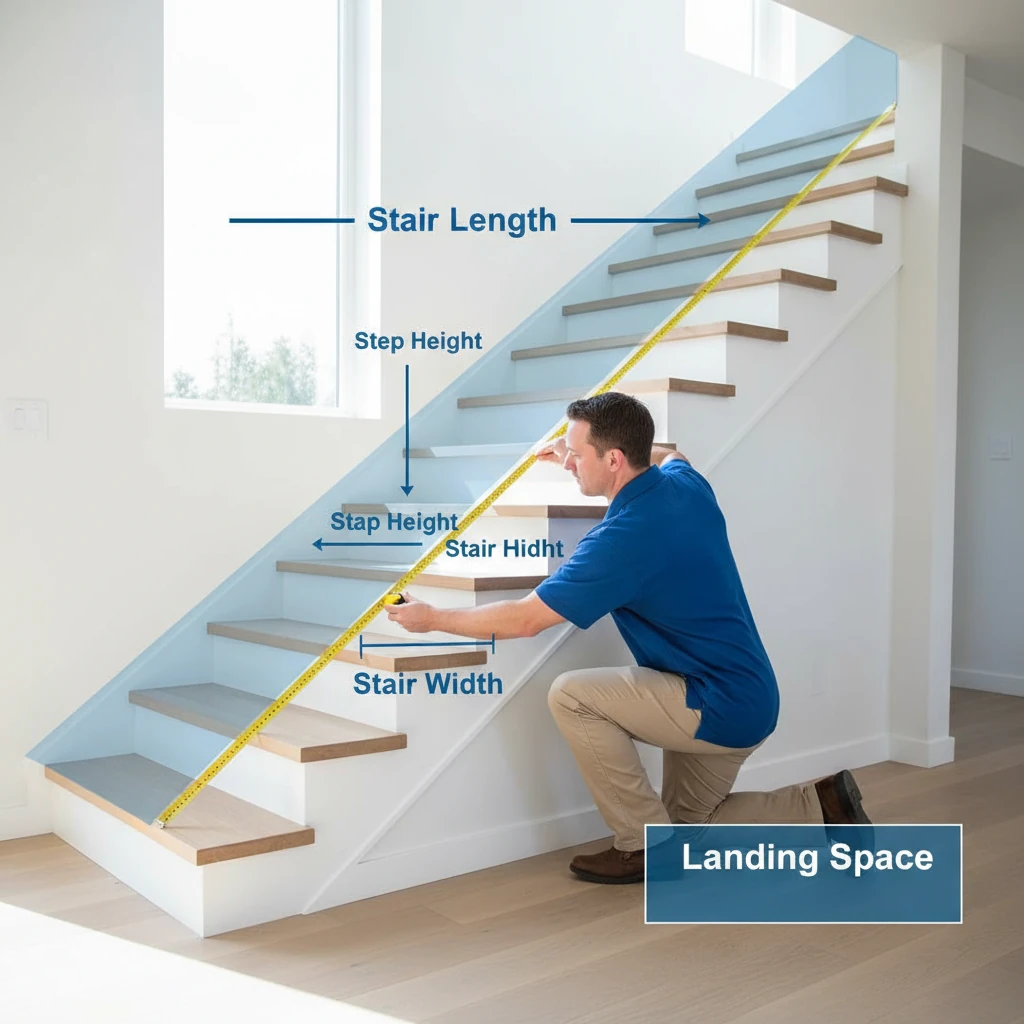
While basic stair lift troubleshooting can solve minor issues, some problems require expert attention. Attempting to fix complex faults without proper knowledge may lead to safety risks or further damage.
Knowing when to contact a professional ensures your stair lift system remains safe, reliable, and compliant with manufacturer standards.
Situations That Require Professional Service
- Persistent error codes or warning signals
- Stair lift not moving despite power supply being active
- Unusual noises such as grinding or clicking
- Jerky or inconsistent movement during operation
- Electrical issues or power interruptions
- Battery not holding charge after replacement
- Track misalignment or visible mechanical damage
Professional vs DIY Troubleshooting
| Issue Type | DIY Fix Possible | Professional Required |
|---|---|---|
| Power connection issue | Yes | No |
| Remote control malfunction | Yes | No |
| Battery replacement | Sometimes | Recommended |
| Mechanical noise or vibration | No | Yes |
| Track alignment issues | No | Yes |
| Electrical system faults | No | Yes |
Professional technicians are trained to diagnose complex stair lift maintenance issues and ensure all components function correctly. Regular servicing also helps extend the lifespan of the system and prevents costly breakdowns.
How Long Does a Stair Lift Last?
A high-quality stair lift is designed to last for many years with proper use and maintenance. On average, most systems have a lifespan of 10 to 15 years, depending on usage conditions and product quality.
However, the actual longevity of a stair lift system can vary significantly based on several key factors.
Key Factors That Affect Lifespan
- Frequency of daily use
- Quality of installation and setup
- Regular maintenance and servicing
- Environmental conditions (indoor vs outdoor)
- Brand quality and engineering standards
For example, a stair lift for home used occasionally will typically last longer than one used multiple times daily in a multi-user household.
Average Lifespan by Component
| Component | Average Lifespan |
|---|---|
| Motor and drive system | 10–15 years |
| Battery | 2–5 years |
| Rail system | 15+ years |
| Seat and controls | 8–12 years |
Routine stair lift maintenance plays a critical role in extending the life of these components. Regular inspections and timely part replacements can prevent major system failures.
How to Extend Stair Lift Lifespan
- Schedule annual professional servicing
- Keep the rail clean and free of debris
- Charge the battery regularly
- Avoid exceeding weight capacity limits
- Address minor issues before they become major problems
Investing in a reliable stair lift chair and maintaining it properly ensures long-term safety, performance, and value for your home.
Cost of Stair Lift Repairs and Maintenance
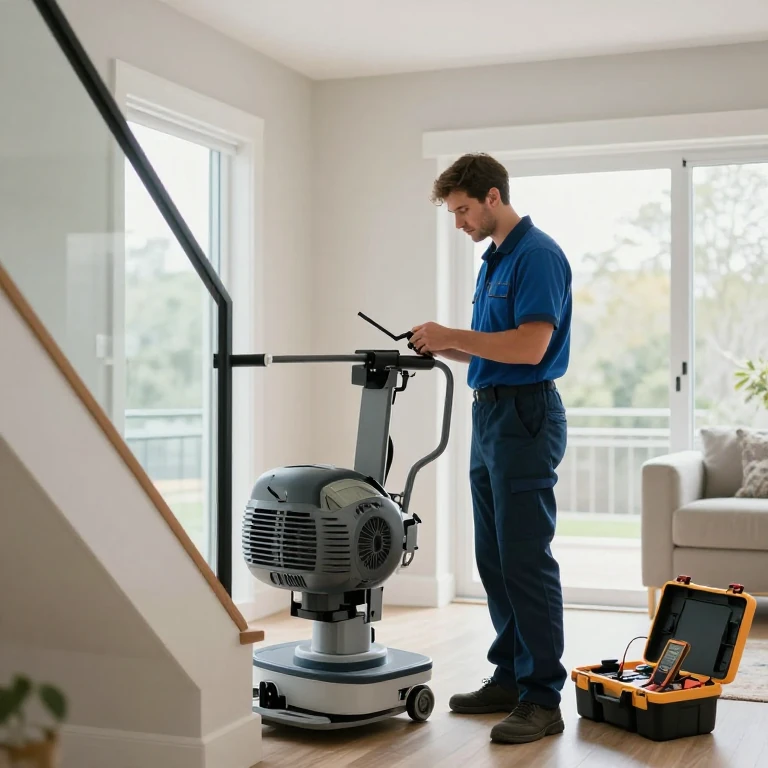
Owning a stair lift involves more than the initial purchase. While modern systems are generally reliable, ongoing maintenance and occasional repairs are part of long-term ownership costs.
Understanding these expenses helps homeowners plan ahead and avoid unexpected financial surprises.
Typical Maintenance Costs
- Annual service inspection
- Battery replacement every few years
- Cleaning and lubrication of rail system
- Safety system testing and calibration
Routine stair lift maintenance is relatively affordable compared to major repairs and helps extend the system’s lifespan.
Common Repair Costs
| Repair Type | Estimated Cost Range |
|---|---|
| Battery replacement | Low to moderate |
| Motor or drive repair | Moderate to high |
| Track realignment | Moderate |
| Electrical system repair | Moderate to high |
| Control panel replacement | Moderate |
Costs vary depending on the stair lift system, brand, and availability of replacement parts. Premium models may have higher repair costs but often require fewer interventions over time.
Service Visit Fees
- Standard technician visit charge
- Emergency or same-day service fees
- Labor cost based on repair complexity
Some manufacturers offer service plans or extended warranties that cover routine stair lift repair and reduce long-term costs.
Ways to Reduce Repair Costs
- Schedule regular maintenance to prevent breakdowns
- Use certified technicians for servicing
- Choose reliable brands with strong warranty coverage
- Address minor issues early before they escalate
In the long run, proactive care significantly lowers total stair lift for home cost and ensures safe, uninterrupted operation.
Safety Tips for Daily Use
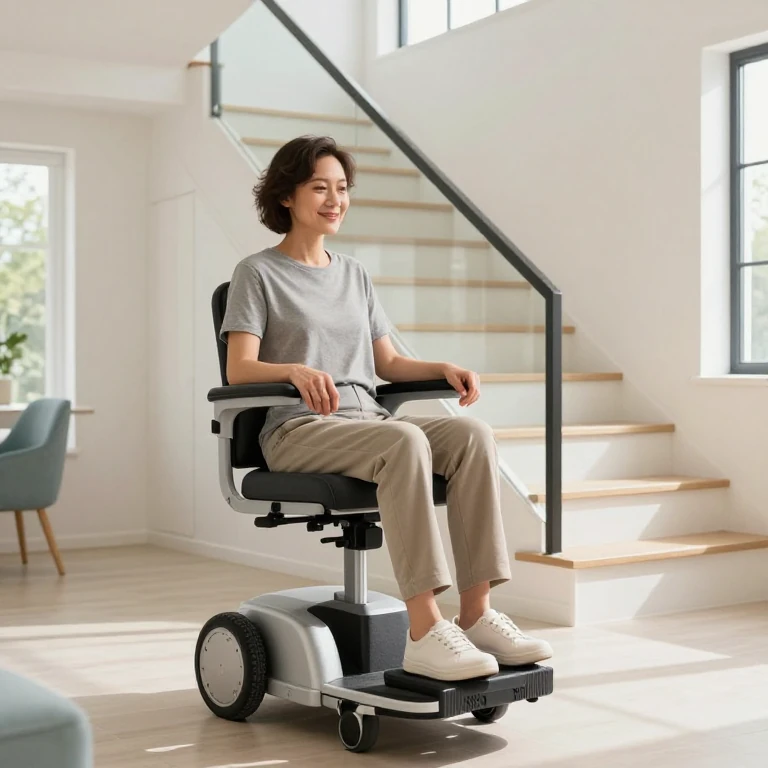
Using a stair lift safely on a daily basis is essential for preventing accidents and ensuring long-term reliability. Even with advanced safety features, proper user habits play a key role in maintaining a secure environment.
Essential Daily Safety Practices
- Always fasten the seatbelt before operating the stair lift
- Ensure the seat is fully locked in position before moving
- Keep hands and feet within the designated area during travel
- Use armrests for stability when sitting and standing
- Operate the lift using the correct control buttons only
Environment Safety Tips
- Keep the staircase clear of objects, pets, and clutter
- Ensure adequate lighting along the stairs
- Avoid using the stair lift during electrical faults unless battery backup is active
- Regularly check for loose items near the track
Usage Precautions
- Do not exceed the weight capacity of the stair lift
- Avoid sudden movements while the lift is in motion
- Do not allow children to operate the system unsupervised
- Follow manufacturer guidelines for operation and maintenance
Following these stair lift safety tips ensures a secure and comfortable experience for all users, especially seniors and individuals with limited mobility.
Frequently Asked Questions
How much maintenance does a stair lift require?
A stair lift requires minimal maintenance. Basic care includes cleaning the track, checking the battery, and scheduling annual professional servicing.
What should I do if my stair lift stops working?
First, perform basic stair lift troubleshooting such as checking power supply, remote control, and safety sensors. If the issue continues, contact a professional technician.
How long does a stair lift battery last?
Most batteries last between 2 to 5 years depending on usage. Regular charging helps extend battery life and ensures reliable performance.
Is it safe to use a stair lift during a power outage?
Yes, most modern stair lift systems include battery backup, allowing operation during power outages for a limited number of trips.
Can a stair lift be used by multiple users?
Yes, stair lifts are designed for shared use, provided all users follow safety guidelines and stay within the system’s weight capacity.
How often should a stair lift be serviced?
Professional servicing is recommended at least once a year to ensure optimal performance and long-term reliability.
Conclusion
A stair lift is more than a convenience—it is a long-term safety and accessibility solution that supports independence at home. From daily use to long-term reliability, proper maintenance and safe operation are essential for getting the most value from your system.
By understanding common issues, following routine stair lift maintenance practices, and knowing when to call a professional, homeowners can ensure consistent performance and reduce the risk of unexpected breakdowns.
Investing in a high-quality stair lift system and maintaining it correctly not only improves mobility but also enhances overall quality of life. Whether you are planning ahead or managing an existing installation, informed decisions lead to safer and more reliable outcomes.
For a complete overview of options, costs, and features, explore our complete stair lift guide and make the best choice for your home and future needs.