
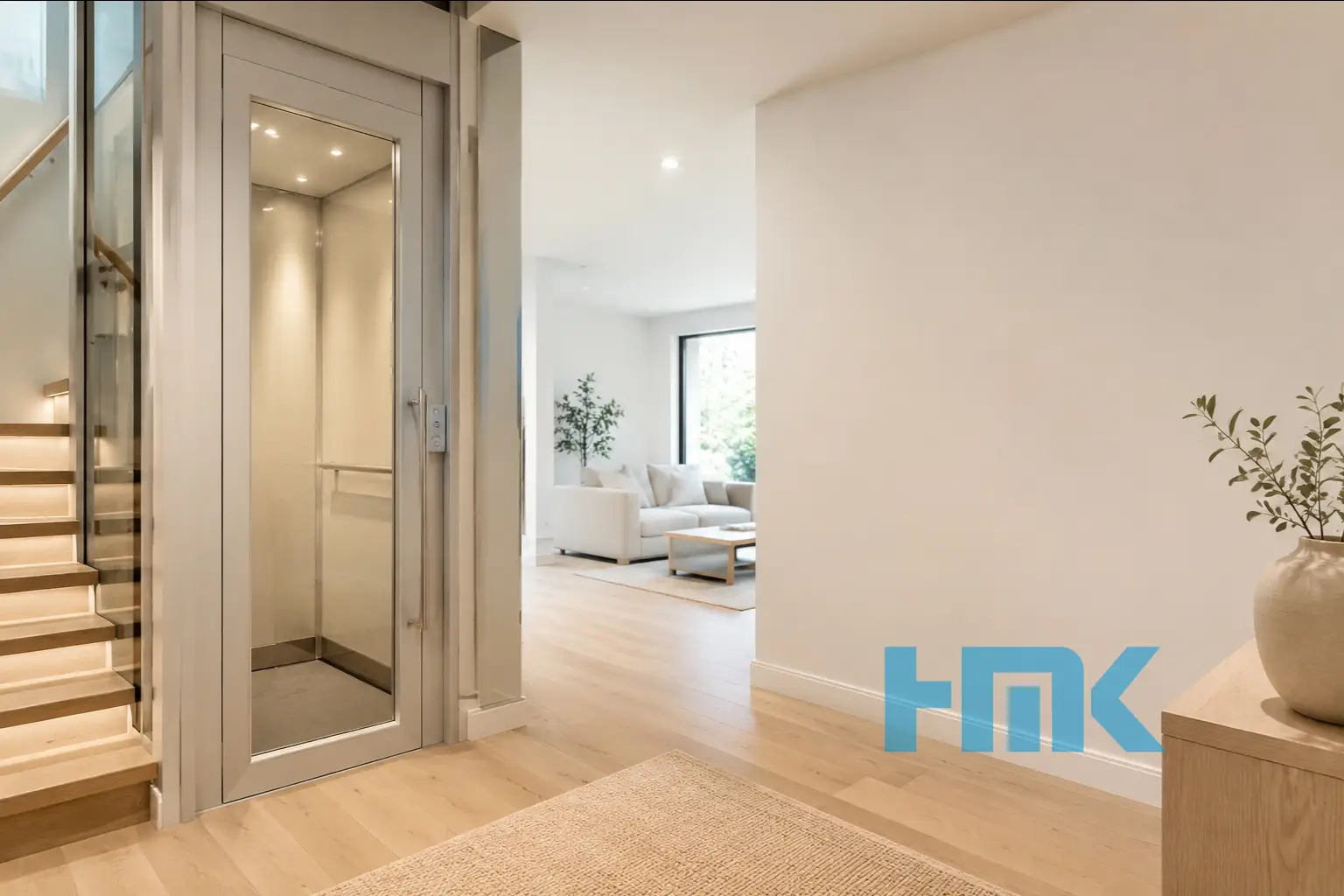
A home lift can transform everyday living, making multi-level homes safer, more comfortable, and more future-proof. But choosing the right residential elevator isn’t just about picking a model you like. The best results come from asking the right questions early, before you commit to a design, supplier, or major construction changes.
Below are seven essential questions to guide your decision, along with practical considerations that homeowners often overlook.
1- Why do you need a home lift, today and in the future?
Start with the use case, because it affects everything: size, capacity, number of stops, door style, and even the type of drive system.
Ask yourself:
- Is this mainly for aging in place and mobility support?
- Are you planning for wheelchair access now or later?
- Will it be used daily for convenience (laundry, groceries) or occasionally?
- Who will use it, children, seniors, guests, tenants?
Tip:If accessibility is a major driver, think about turning radius, door width, and whether you need a cabin that can accommodate a wheelchair or walker comfortably.
2- What type of home lift best fits your space and lifestyle?
2) What type of home lift best fits your space and lifestyle?
- Hydraulic lift (often smooth and strong; may need a machine space)
- Traction / cable-driven lift (efficient; commonly used in many elevator designs)
- Vacuum/pneumatic lift (distinctive look; can work well in certain retrofits)
- Screw-driven / winding drum options (varies by manufacturer and design)
- Platform lift (often used for short rises or accessibility-focused installs)
Each option has trade-offs involving noise level, speed, maintenance expectations, and installation footprint. The “best” home elevator is the one that matches your home’s constraints and your long-term goals, not necessarily the one with the flashiest brochure.
3- Will your home lift be a retrofit or included in a renovation/new build?
This question influences structural work, timeline, and total cost.
- New build or major renovation: You can plan the shaft/location early, making installation smoother and often more cost-effective.
- Retrofit install: You may need creative placement (closets, stairwells, corners of living areas) and additional construction to support the lift.
Ask your installer:
- Where can the lift go with minimal disruption?
- Will you need a shaft, a pit, or overhead clearance adjustments?
- How will doors align on each floor?
- What finishes will be affected (flooring, trim, drywall)?
A site survey is crucial here, don’t rely on rough measurements alone.
4- What safety and code requirements apply where you live?
A home lift must meet local safety standards and building regulations, which can vary by region. Make sure you understand:
- Required permits and inspections
- Emergency features (alarm, emergency lowering, backup options)
- Door interlocks and safety sensors
- Load rating and occupancy guidelines
- Fire-safety considerations (where applicable)
Important: A reputable supplier will explain compliance clearly and include safety features as standard, not as surprise add-ons late in the process
5- What is the total cost of ownership, not just the purchase price?
The quote you see first may not include everything. For a realistic budget, ask for a breakdown that covers:
- Lift unit and standard features
- Construction work (shaft, electrical, structural modifications)
- Upgrades (custom cabin, automatic doors, premium finishes)
- Permits, inspections, and engineering (if needed)
- Ongoing maintenance and service plans
- Warranty coverage and what it excludes
Smart approach: Compare proposals using the same assumptions, number of stops, door type, cabin size, and finish level, so you’re not comparing apples to oranges.
6- Who will install and service the home lift, and how fast can they respond?
A residential elevator is a long-term system. Installation quality and after-sales support matter just as much as the product.
Ask:
- Is the installer certified/authorized for this brand?
- How many similar home elevator installations have they completed?
- What’s the typical lead time from deposit to installation?
- Do they stock parts locally or order them internationally?
- What is the emergency response time if the lift stops working?
Best practice: Choose a provider with a strong local service presence. Even a top-tier lift becomes stressful if repairs take weeks.
7- How will the home lift look and feel in your home?
A home lift becomes part of your daily environment, both visually and acoustically. Beyond function, consider:
- Cabin size and interior finishes (lighting, walls, flooring, mirror/handrails)
- Door configuration (manual vs. automatic, swing vs. sliding where available)
- Noise and vibration expectations
- Ride smoothness and start/stop feel
- Placement: will it enhance or disrupt the flow of your interior design?
If possible, visit a showroom or ask to see a completed installation. Photos help, but stepping into a working unit gives you immediate clarity.
Conclusion
Buying a home lift is a meaningful investment in comfort, safety, and long-term livability. The key is to approach it like a system purchase, not a simple appliance. By clarifying your needs, understanding lift types, planning for installation realities, checking compliance and safety, budgeting for lifetime costs, verifying service support, and considering design integration, you’ll avoid costly surprises and end up with a solution that truly fits your home.
If you’d like, tell me how many floors, whether it’s a retrofit or new build, and if you need wheelchair access, and I can outline the most suitable lift categories and a checklist of specs to request from installers.