
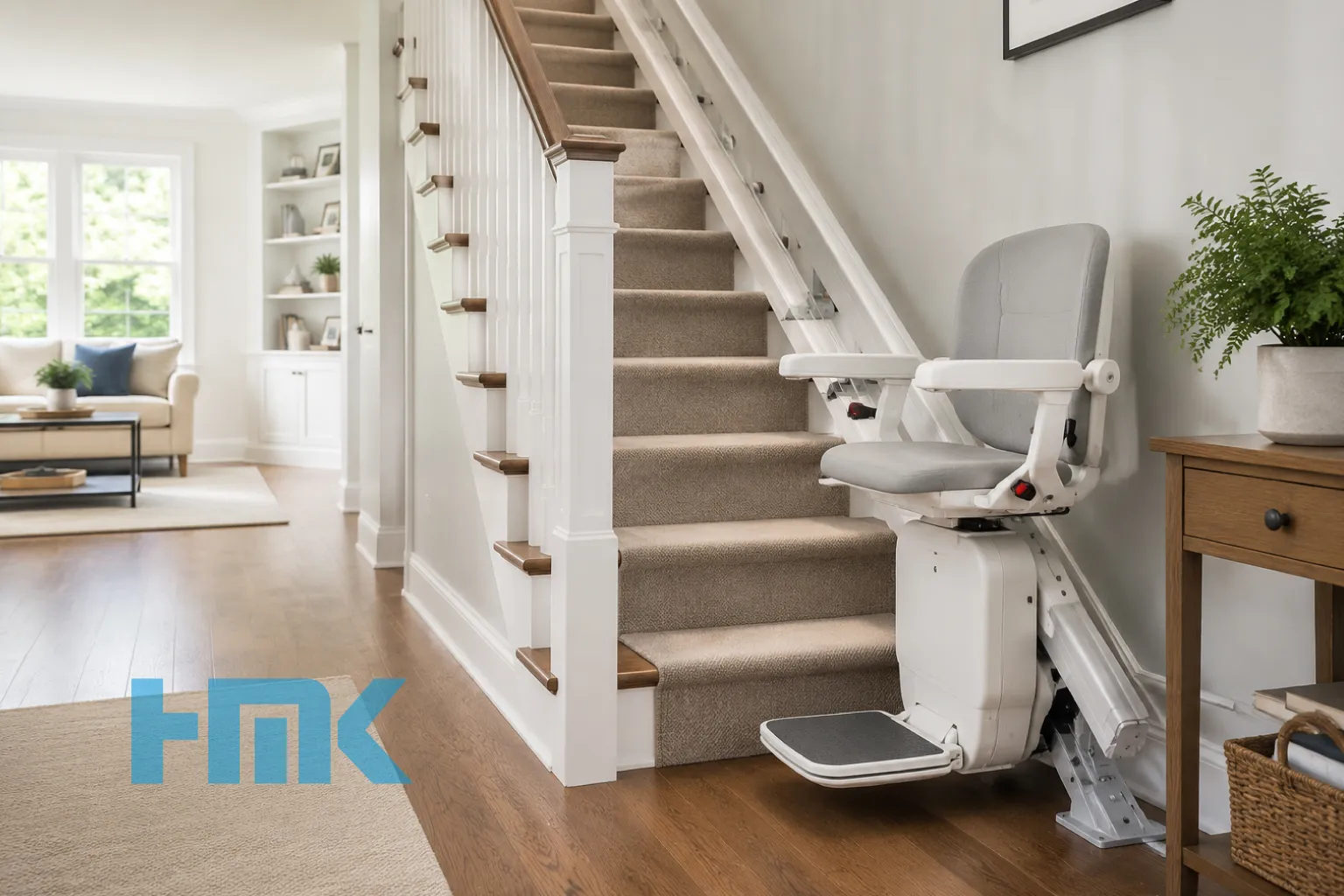
A stairlift can make a home safer, more comfortable, and more accessible for people with limited mobility. Whether you are planning for aging in place, recovering from surgery, or supporting a family member with mobility challenges, choosing the right stairlift is a major decision. One of the most important factors to consider is weight capacity.
Many buyers focus on price, design, or whether the unit fits a straight or curved staircase. While those details matter, weight limits play a direct role in safety, performance, and long-term reliability. If the lift is not built to support the user properly, it may wear out faster, operate less smoothly, or fail to provide the level of comfort and stability the user needs.
This guide explains how stairlift weight limits work, what affects capacity, and how to choose a model that fits your household. It also covers stairlift maintenance, since proper servicing helps protect your investment and keeps the lift operating safely over time.
Why Stairlift Weight Limits Matter
Every stairlift is designed with a maximum load capacity. This number reflects what the motor, rail system, seat, and drive components can safely support during regular operation. Exceeding that limit is not just a technical issue; it can create real safety concerns.
When a lift carries more weight than it is designed for, the motor may strain, the chair may move less smoothly, and the mechanical system may experience faster wear. In some cases, the lift may stop mid-travel or trigger safety features that interrupt use. Over time, using an undersized unit can shorten the lifespan of the equipment and increase repair costs.
Weight limits are also tied to user comfort. A person who needs a higher-capacity mobility lift may also benefit from a wider seat, stronger frame, and more stable ride. So the right model is not only about meeting the minimum weight requirement. It is also about ensuring safe and comfortable daily use.
Standard vs. Heavy-Duty Stairlift Models
Most stairlift models fall into two main categories: standard and heavy-duty.
A standard stairlift is often suitable for many homeowners and typically supports users within an average weight range. These lifts are usually compact, making them a good fit for narrower staircases and smaller homes. They are also often more affordable and easier to install.
A heavy-duty stairlift, sometimes called a higher-capacity or bariatric stairlift, is designed for users who need greater support. These models usually offer:
- Higher weight capacity
- Wider and deeper seating
- Reinforced rails and frame construction
- More powerful motors
- Additional room for easier transfers on and off the chair
For some households, a heavy-duty unit is not just a preference but a necessity. If the user is close to the upper limit of a standard model, choosing a stronger lift can provide a better margin of safety and improve durability.
How to Choose the Right Stairlift for Your Needs
Selecting the right stairlift involves more than checking a product label. You need to consider the user, the staircase, and the way the lift will be used every day.
1. Know the User’s Actual Requirements
Start with the user’s current weight, but do not stop there. Consider whether they use mobility aids, carry medical equipment, or need extra seat space for comfort. If multiple people may use the lift, base your choice on the heaviest user who will rely on it regularly.
It is often wise to choose a unit with some extra capacity rather than selecting one that only just meets the requirement. That added margin can help reduce stress on the lift and support smoother operation.
2. Evaluate Staircase Design
Not every stairlift fits every staircase. Straight stairlifts are built for staircases without turns or landings. Curved stairlifts are custom-made for staircases with bends, intermediate landings, or unusual layouts.
If you need a heavy-duty model, staircase width becomes especially important. Higher-capacity stairlifts may require more clearance because of their larger seat and stronger rail system. A professional home assessment is the best way to confirm whether your stairs can accommodate the model you need.
3. Think About Seat Size and Comfort
Weight capacity and seat dimensions often go hand in hand. A user may technically fit within the lift’s load limit but still feel cramped in a narrow chair. A wider seat, stronger armrests, and a higher backrest can make daily use much more comfortable and secure.
This is particularly important for long-term users. Since the stair chair may be used multiple times a day, comfort should be treated as a practical need, not a luxury.
4. Review Safety Features
The best stairlift for your needs should include essential safety features such as:
- Seat belt
- Swivel seat for easier exit
- Obstacle sensors
- Battery backup
- Smooth start and stop controls
- Locking or key switch to prevent unauthorized use
These features are valuable in any model, but they are especially important when a lift supports a heavier user or sees frequent daily use.
Stairlift Maintenance importance
Even the right stairlift model needs regular care. Stairlift maintenance is a key part of safe operation and long-term performance. Like any mechanical mobility device, a stairlift contains moving parts, electrical systems, and safety components that should be checked routinely.
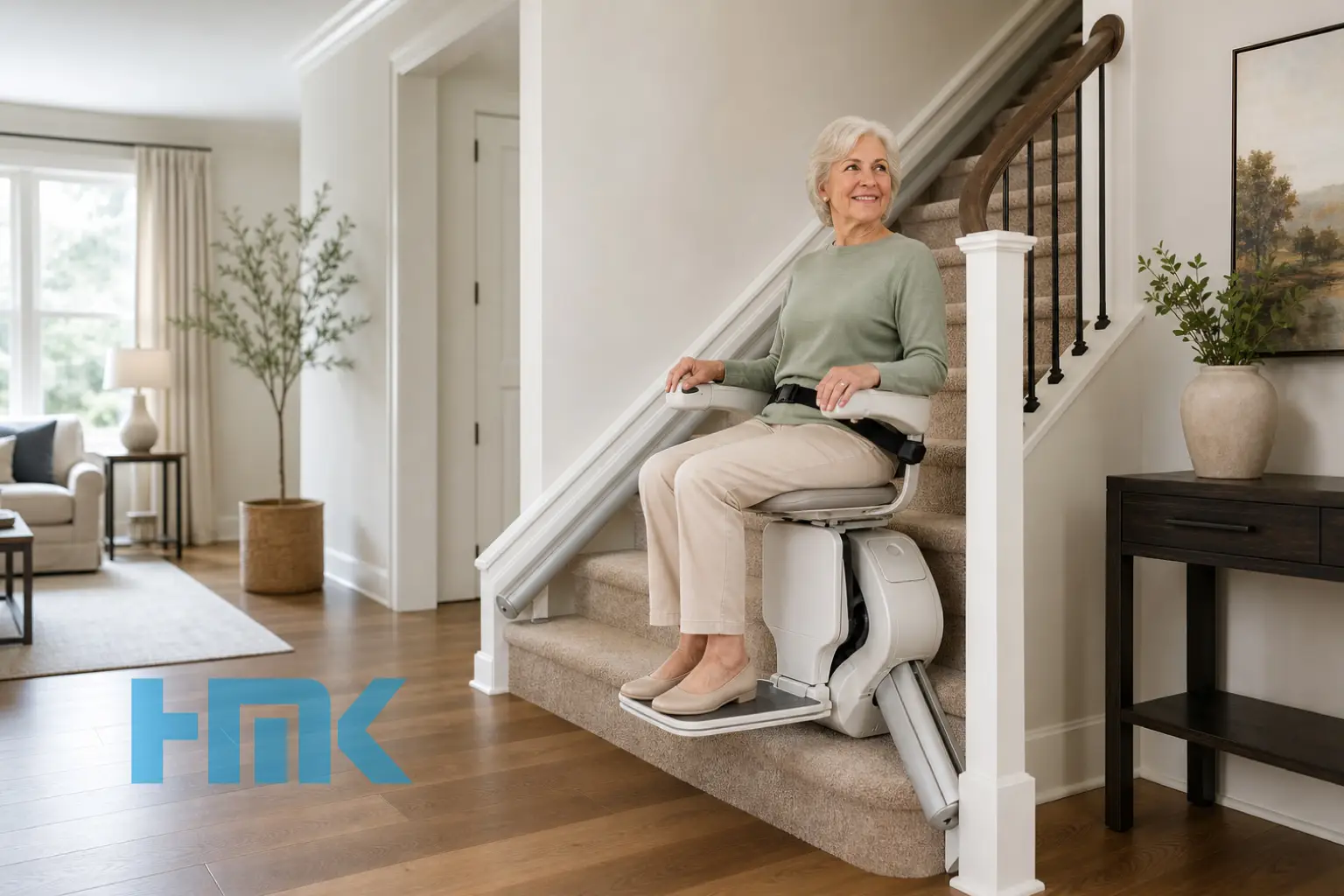
A poorly maintained lift may become noisy, slow, or unreliable. In more serious cases, neglected issues can lead to breakdowns or safety risks. Regular servicing helps identify wear before it becomes a major problem.
Basic stairlift maintenance often includes:
- Keeping the rail clean and free of dust or debris
- Checking the battery and charging system
- Inspecting the seat, footrest, and armrests
- Testing safety sensors and controls
- Listening for unusual sounds during operation
- Scheduling professional servicing as recommended by the manufacturer
Many modern units are battery-powered, even though they charge from household electricity. If the battery begins to weaken, the lift may struggle or stop unexpectedly, especially during a power outage. Replacing worn batteries on time is one of the simplest ways to prevent trouble.
Professional maintenance is also important because technicians can inspect internal parts that are not visible during day-to-day use. This is especially useful for heavy-duty stairlift systems, which may experience more mechanical stress due to their higher load demands.
Common Mistakes Buyers Make
One common mistake is assuming all stairlifts have similar weight limits. In reality, capacity can vary significantly between brands and models. Another mistake is buying based only on current needs without considering future changes. If mobility needs are likely to increase, it may be smarter to invest in a more supportive model now.
Some people also underestimate the importance of installation quality. Even the best stairlift will not perform properly if it is installed incorrectly or on a staircase that does not meet the model’s requirements. Always work with a qualified provider who offers an in-home assessment and professional installation.
Conclusion
Choosing the right stairlift is about more than finding a chair that moves up and down the stairs. Weight capacity affects safety, comfort, reliability, and the overall value of the investment. A model that properly supports the user will perform better, last longer, and provide greater peace of mind.
When comparing options, look beyond the minimum specifications. Consider the user’s daily needs, the layout of the staircase, the seat size, and the long-term demands on the equipment. Just as importantly, stay consistent with stairlift maintenance to keep the unit working safely and efficiently.
A well-matched stairlift can restore confidence and independence at home. By paying close attention to weight limits and overall fit, you can choose a solution that truly meets your needs today and continues to serve you well in the future.
FAQ
1- What is the average weight limit for a stairlift?
The average weight limit varies by manufacturer and model, but many standard stairlift units support users in a moderate weight range, while heavy-duty models are built for higher capacities. Always check the exact specifications before buying.
2- Can I use a standard stairlift if I am near its weight limit?
You can, but it may not be the best choice. If you are close to the maximum capacity, a heavy-duty stairlift may provide better comfort, smoother performance, and a longer service life.
3- Are heavy-duty stairlifts only for larger users?
Not necessarily. They are also useful for anyone who wants a wider seat, stronger construction, or more stability. In some cases, comfort and ease of transfer matter just as much as weight capacity.
4- Does a higher weight limit mean a bigger staircase is required?
Sometimes, yes. Heavy-duty stairlift models often need more space because of larger seats and reinforced components. A home assessment can determine whether the staircase can accommodate the unit safely.
5- How often should stairlift maintenance be performed?
Basic cleaning and visual checks should be done regularly, while professional servicing should follow the manufacturer’s schedule. Annual service is common, though frequent users may benefit from more frequent inspections.
Hamyar Mechanic Koosha Editorial Team
Specialized content team in biomedical engineering and rehabilitation
Hamyar’s editorial team consists of biomedical engineering experts who provide practical, technical content in plain language to raise public awareness.
Related Articles
No articles found.