
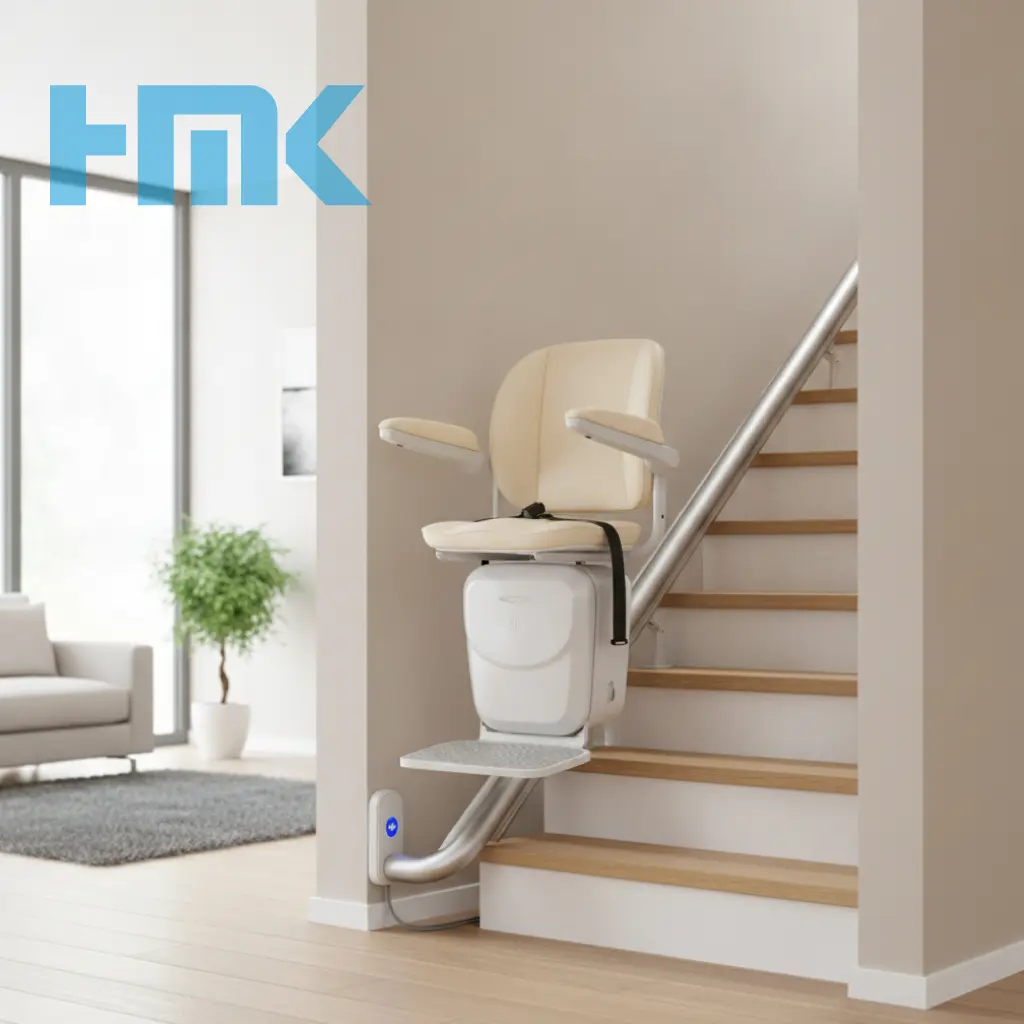
As mobility challenges arise due to age, injury, or chronic health conditions, the home environment often becomes a series of insurmountable obstacles. The modern stairlift has emerged as the definitive solution to regaining independence within the home. Specifically, the shift toward battery-powered stairlifts has revolutionized the reliability, safety, and performance of these assistive devices.
How Battery-Powered Stairlifts Work
In the early days of accessibility technology, stairlifts were predominantly mains-powered, meaning they drew electricity directly from a wall outlet via a trailing cable. While functional, these units were limited by their dependence on a constant power supply. If a fuse blew or a neighborhood-wide blackout occurred while the user was mid-climb, they were effectively stranded.
Modern stairlift manufacturers have almost universally transitioned to battery-powered systems. But how do these systems actually work?
At their core, these devices utilize rechargeable batteries, typically sealed lead-acid or lithium-ion, housed directly within the stairlift carriage. When the lift is parked at either the top or bottom of the stairs, it sits on a "charging strip" or docking station. This ensures the batteries are continuously topped up whenever the device is not in use.
When the user activates the controls, the lift draws its power from the onboard batteries rather than the wall. This design offers several technical advantages:
- Constant Power Delivery: The motor receives a steady, regulated stream of energy, resulting in a smoother, quieter ride.
- Safety During Outages: Perhaps most importantly, the lift remains fully operational during power failures. You can travel from one floor to the other multiple times on a single charge even without grid power.
- Reduced Friction: By eliminating the need for a trailing power cord that moves along the track, the overall engineering of the rail system becomes more streamlined and less prone to mechanical snags.
Why They Matter
The transition to battery technology is not merely a technical upgrade; it is a fundamental shift in how we approach home accessibility. For the user, the benefits are profound.
Safety and Security
The primary mission of any stairlift is to eliminate the risk of falls on stairs. By providing a stable, seated, and controlled transition between floors, these devices mitigate the anxiety associated with balance issues. The reliability of battery backup ensures that the user never feels vulnerable or "stuck" due to external circumstances.
Ease of Use for Caregivers
For family members or professional caregivers, the knowledge that a loved one can navigate the home safely without assistance is invaluable. It reduces the physical strain of needing to support someone on the stairs and offers peace of mind when the caregiver is not immediately present in the room.
Aging in Place
Aging in place is a core goal for many seniors who wish to remain in their own homes for as long as possible. A stairlift is often the deciding factor in whether a person can stay in a multi-story home or must move to an assisted living facility. By removing the barrier of the staircase, these lifts preserve the sanctity and comfort of one’s personal living space.
Evaluating Key Components
While the battery system is the heart of the modern stairlift, prospective buyers should look at the broader ecosystem of features that make these devices safe and user-friendly.
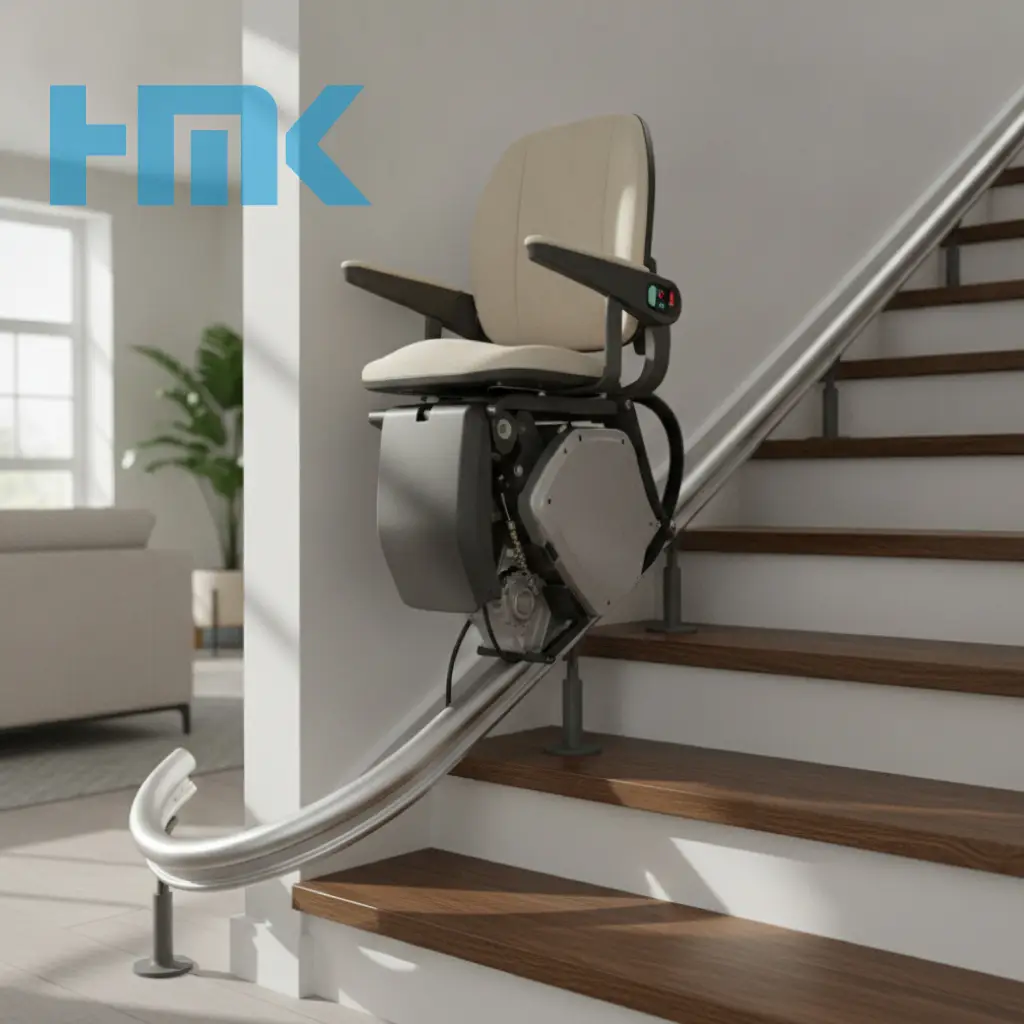
The Rail System
Whether you have a straight staircase or a curved one, the track (or rail) is the foundation of the unit. Custom-engineered rails ensure the carriage moves precisely along the path, providing a smooth ride even around tight corners.
Ergonomic Seating and Controls
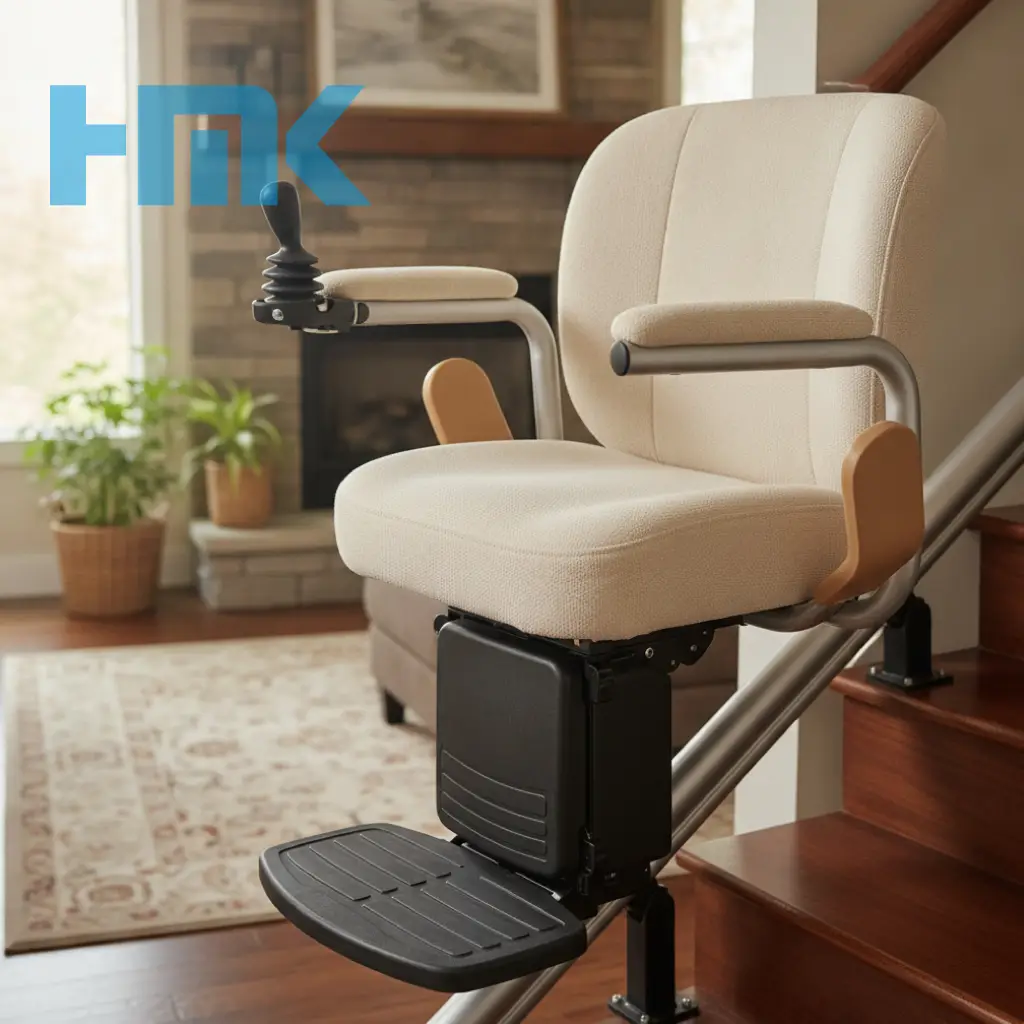
Comfort is non-negotiable. Modern models feature swivel seats, adjustable footrests, and intuitive joystick controls. If an individual has limited dexterity in their hands, some manufacturers offer alternative control options, such as ergonomic paddles.
Safety Sensors
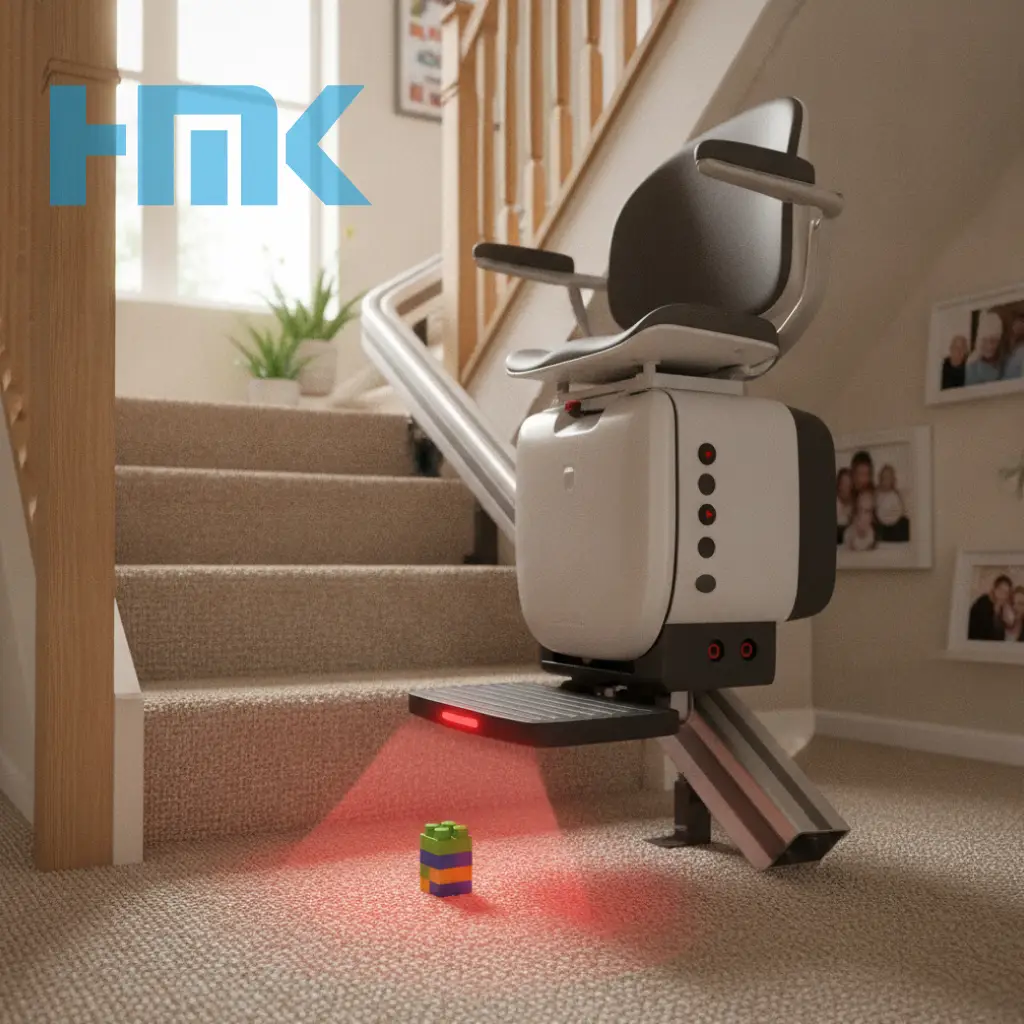
Modern lifts are equipped with an array of sensors. If the carriage detects an obstruction on the staircase, a toy, a pet, or a piece of clothing, the lift will come to a gentle, immediate halt. These safety sensors are critical for preventing accidents.
Also read:How stairlifts work
Maintenance and Longevity
Investing in a stairlift is a commitment to your long-term mobility. While battery-powered units are robust, they do require basic care.
- Parking Discipline: The most common mistake users make is forgetting to park the lift at the charging station. Most models will beep or provide an indicator light if the unit is left off the charge, but it is a habit that users must adopt immediately.
- Regular Servicing: Annual maintenance by a certified technician ensures that the motor, gear rack, and seat belt mechanisms remain in top working order.
- Battery Replacement: Depending on usage, the internal batteries will typically need to be replaced every 3 to 5 years. This is a straightforward procedure that a professional can handle quickly.
Conclusion
The evolution of the battery-powered stairlift has redefined what it means to live independently with mobility limitations. By moving away from the precariousness of mains-powered cables and embracing reliable, onboard energy storage, manufacturers have created devices that are not just assistive, but essential.
These systems do more than move a person from one floor to another; they provide the freedom to move through one’s home with confidence, dignity, and safety. For anyone facing the challenge of stairs, investing in a high-quality, battery-equipped stairlift is one of the most effective ways to preserve independence and continue enjoying the comfort of home.
FAQ
1- Will my stairlift still work if there is a power cut?
Yes. Because these units are battery-powered, they are designed to continue operating during a power outage. You will be able to complete your trip up or down the stairs even if the rest of your home is without electricity.
2- How long do the batteries last on a single charge?
3- Can a stairlift be installed on any type of staircase?
In most cases, yes. Whether you have a narrow, straight staircase, a staircase with multiple landings, or a complex curved path, there is a solution. Modular rail systems for straight stairs are very common, while custom-built rails can be manufactured for curved staircases.
4- How much space do I need for a stairlift?
Modern lifts are designed to be space-efficient. When not in use, the seat, footrest, and armrests can be folded up against the wall, leaving the staircase largely clear for other people to walk up and down safely.
5- How often do I need to replace the batteries?
Generally, you can expect the batteries to last between 3 and 5 years, depending on how often the stairlift is used and how well the charging routine is followed. Your annual maintenance technician will monitor battery health and advise you when a replacement is due.
Hamyar Mechanic Koosha Editorial Team
Specialized content team in biomedical engineering and rehabilitation
Hamyar’s editorial team consists of biomedical engineering experts who provide practical, technical content in plain language to raise public awareness.
Related Articles
No articles found.