
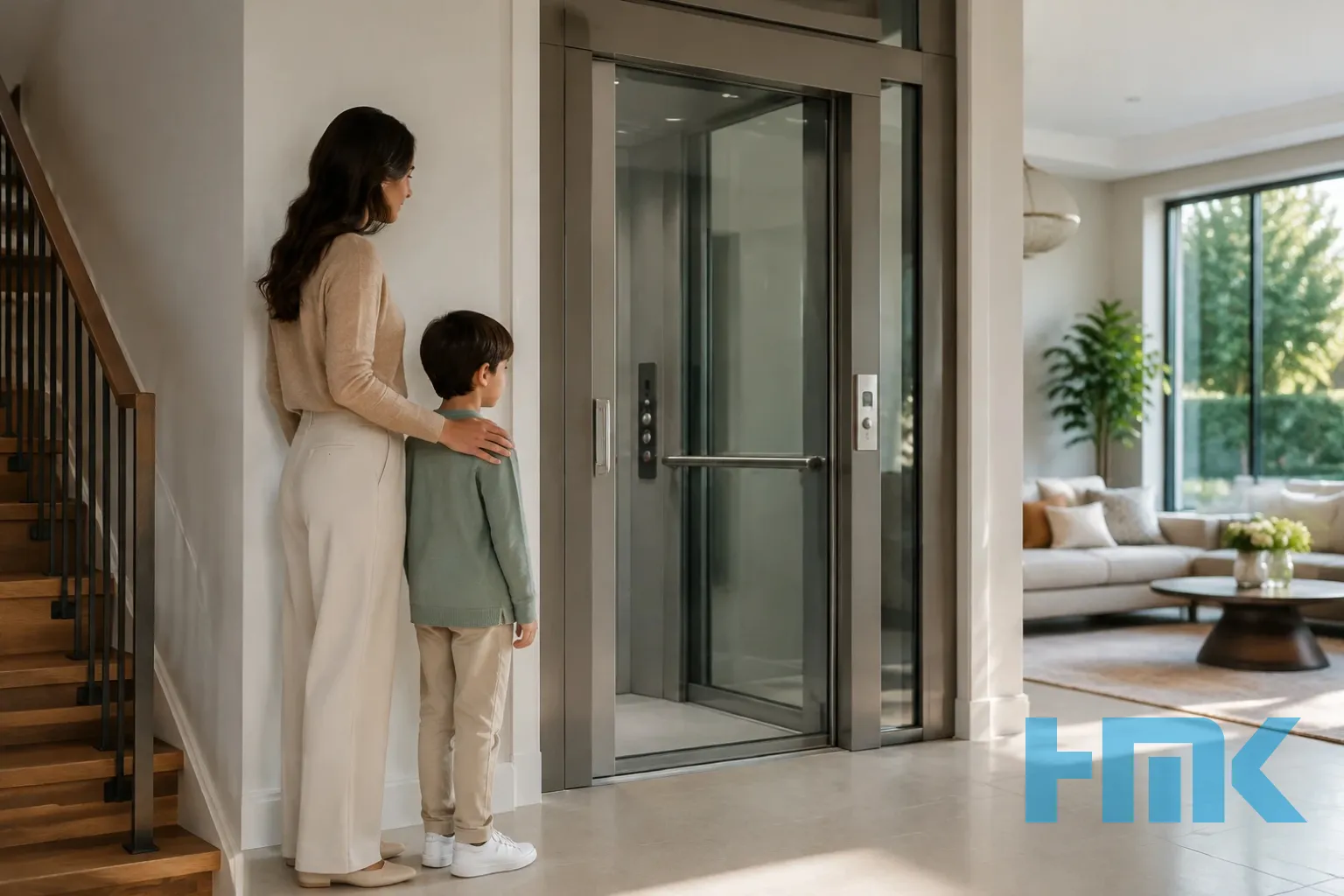
The integration of home lifts, or residential elevators, into modern homes offers unparalleled convenience and accessibility, particularly for individuals with mobility challenges. However, as these sophisticated systems become more common, a crucial aspect that demands attention is child safety.
Ensuring that home lifts are a safe passage for all family members, especially the youngest, requires a comprehensive understanding of potential risks and the implementation of appropriate safety features and protocols. This article delves into making residential elevators safer for families, highlighting key safety considerations, technological advancements, and best practices.
Potential Hazards for Children
The primary concern with home lifts and child safety revolves around the potential for entrapment and accidents. Children, driven by curiosity, may not fully grasp the dangers associated with moving machinery.
- Entrapment Hazards:The most critical risk, as highlighted by the U.S. Consumer Product Safety Commission (CPSC), involves the space between the exterior landing door and the interior car door or gate. A child can become dangerously caught in this gap if the elevator moves while the doors are not fully aligned or secured. This can lead to severe injury or even be fatal. This issue led to industry-wide recalls and the mandatory implementation of safety measures.
- Unsupervised Operation: Without proper safeguards, children might operate the lift independently, leading to accidents. This could involve misusing the controls, attempting to travel alone, or getting trapped due to inexperience.
- Falling into the Shaft: Older or improperly maintained lifts, or those lacking adequate door interlocks, could pose a risk of falling into the hoistway if doors do not close securely.
- Pinching and Crushing: The moving parts of an elevator, particularly the doors and gates, present a risk of pinching fingers or limbs.
Essential Safety Features for Home Lifts
Modern home lifts are equipped with a suite of safety features designed to mitigate these risks. When selecting or upgrading a home lift, prioritize the following:
1. Space Guards (Door Protection):
This is arguably the most critical safety feature for child protection. Space guards are designed to eliminate or significantly reduce the dangerous gap between the landing door and the car door/gate, preventing the possibility of a child becoming trapped. Manufacturers now widely incorporate these as standard or offer them as a crucial upgrade. Always verify the presence and effectiveness of this feature.
2. Door and Gate Interlocks:
These are sophisticated locking mechanisms that ensure the elevator cannot move unless all doors and gates are fully closed and locked. Crucially, the landing door at a specific floor should only open when the elevator car is present at that floor and its doors are aligned. Similarly, the car door or gate should prevent the elevator from moving if it is open. This prevents accidental falls into the hoistway and unauthorized movement.
3. Child Lock and Access Control:
Many advanced home lifts offer a “child lock” feature. This typically works by disabling or restricting access to the call buttons on the landing panels, preventing children from summoning or operating the elevator without adult supervision. Some systems may require a PIN code or a physical key for operation. It’s essential to ensure this feature is active and correctly configured post-installation.
4. Obstruction Sensors:
Elevators equipped with obstruction sensors in their doors and gates can detect when an object or a person is in the path of the closing doors. Upon detection, the doors will stop closing and may even reopen, preventing pinching injuries. These sensors are vital for protecting children’s fingers and any items they might be carrying.
5. Emergency Communication and Alarms:
A critical safety measure is the inclusion of an emergency communication system, such as an intercom or a dedicated phone line within the car. This allows passengers, including children, to call for help if they become trapped or if there is any malfunction. An external alarm button can also alert others in the household or neighborhood to a problem.
6. Emergency Power and Lighting:
Power outages can occur unexpectedly. Home lifts should feature an emergency battery backup system that allows the car to descend to the nearest floor and open its doors safely. Emergency lighting within the car is also essential to provide visibility and reduce anxiety during power failures or stalled situations.
7. Overspeed Protection and Emergency Brakes:
While not exclusively for child safety, these are fundamental elevator safety features. An overspeed governor and emergency brakes ensure that if the elevator car moves too quickly, or if there’s a system malfunction, the brakes will engage to stop the car safely.
Smart Home Integration for Modern Home Lifts
The evolution of smart home technology has extended to residential elevators, offering enhanced convenience and accessibility. Modern home lifts can be integrated with smart home systems, allowing for voice control, remote monitoring, and personalized automation.
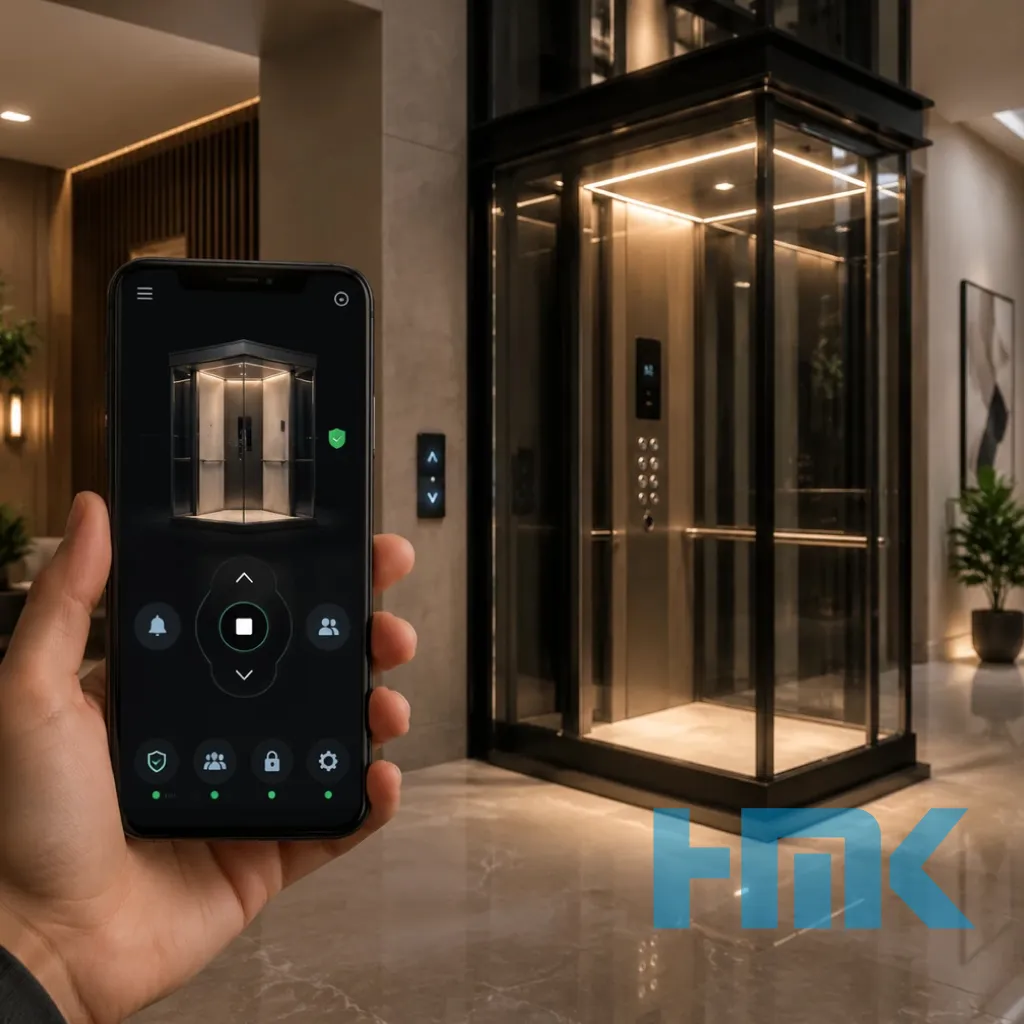
- Voice Control: Systems integrated with popular voice assistants (like Google Assistant or Amazon Alexa) enable users to summon the elevator or select a floor using voice commands. This is particularly beneficial for individuals with limited mobility who may find physical controls challenging.
- Remote Monitoring and Control: Through dedicated smartphone apps, homeowners can monitor the elevator’s status, receive alerts for maintenance, and even remotely control its operation. This provides peace of mind, especially for caregivers or family members who are not on-site.
- Automated Scenarios: Smart home integration allows elevators to be part of broader automation routines. For instance, a routine could be set so that when the elevator arrives at a specific floor, the lights in that area turn on, or doors unlock.
However, when integrating home lifts with smart home technology, safety must remain paramount. Any smart features should complement, not compromise, the elevator’s built-in safety mechanisms. Ensure that the integration is performed by qualified professionals and that it adheres to the elevator manufacturer’s guidelines and relevant safety standards. The core safety interlocks and emergency systems must never be bypassed or disabled by smart home controls.
Also Read: Smart home integration in modern home lifts
Behavioral Practices and Installation Guidelines
Beyond the technical features of the lift itself, establishing safe practices and ensuring proper installation are vital:
- Adult Supervision: Young children should always be supervised when using a home lift. Never allow them to play on or near the elevator.
- Educate Children: Teach children about elevator safety. Explain that it’s a machine, not a toy, and that they must wait for adult permission and supervision before using it. Instruct them on what to do in case of an emergency.
- Controlled Access: For homes with very young children, consider using key locks or PIN codes for the elevator controls when it is not in use. Ensure exterior landing doors are also secured.
- Professional Installation and Maintenance: Always use certified and experienced lift installers. Regular maintenance by qualified technicians is crucial to ensure all safety features function correctly and to detect any wear and tear that could compromise safety.
- Inquire About Standards: When purchasing a home lift, ask about the specific safety standards it complies with (e.g., EN 81-41 for platform lifts, or EN 81-20/50 for passenger lifts). Inquire about the type of interlocks, sensors, emergency systems, and child safety features incorporated. Get this information in writing.
Conclusion
Home lifts offer transformative benefits for accessibility and independence within the home. By prioritizing child safety through informed purchasing decisions, understanding essential safety features, implementing safe behavioral practices, and ensuring professional installation and maintenance, families can enjoy the convenience of a residential elevator with peace of mind. Continuous vigilance and education are key to ensuring that home lifts remain a safe and reliable part of the modern family home.
FAQ
1- What is the biggest safety risk for children using home lifts?
The most significant risk is entrapment in the gap between the landing door and the car door/gate, which can lead to severe injury or death.
2- Are all home lifts safe for children?
Not all older home lifts are inherently safe. Modern lifts come with enhanced safety features, but it's crucial to verify the presence and functionality of specific child safety measures like space guards and door interlocks.
3- What is a "space guard" and why is it important?
A space guard is a safety device that minimizes or eliminates the dangerous gap between the outer landing door and the inner car door/gate, preventing children from getting trapped.
4- Can smart home integration make home lifts unsafe?
If not implemented correctly, smart home integration could potentially compromise safety. It's vital that smart features enhance, rather than override, the elevator's built-in safety systems. Always use certified installers and ensure the manufacturer approves the integration.
5- Do ADA regulations apply to home elevators?
Generally, the Americans with Disabilities Act (ADA) does not mandate or regulate elevators in private, single-family homes. However, ADA requirements can apply if the elevator is in a facility covered by ADA, such as a public accommodation or certain multifamily housing common areas. Local building codes and elevator safety standards like ASME or EN standards are the primary governing regulations for private residences.
6- How often should a home lift be inspected for safety?
Regular maintenance and inspections by qualified technicians are essential. The frequency often depends on the manufacturer's recommendations and local regulations, but annual inspections are a common guideline.