
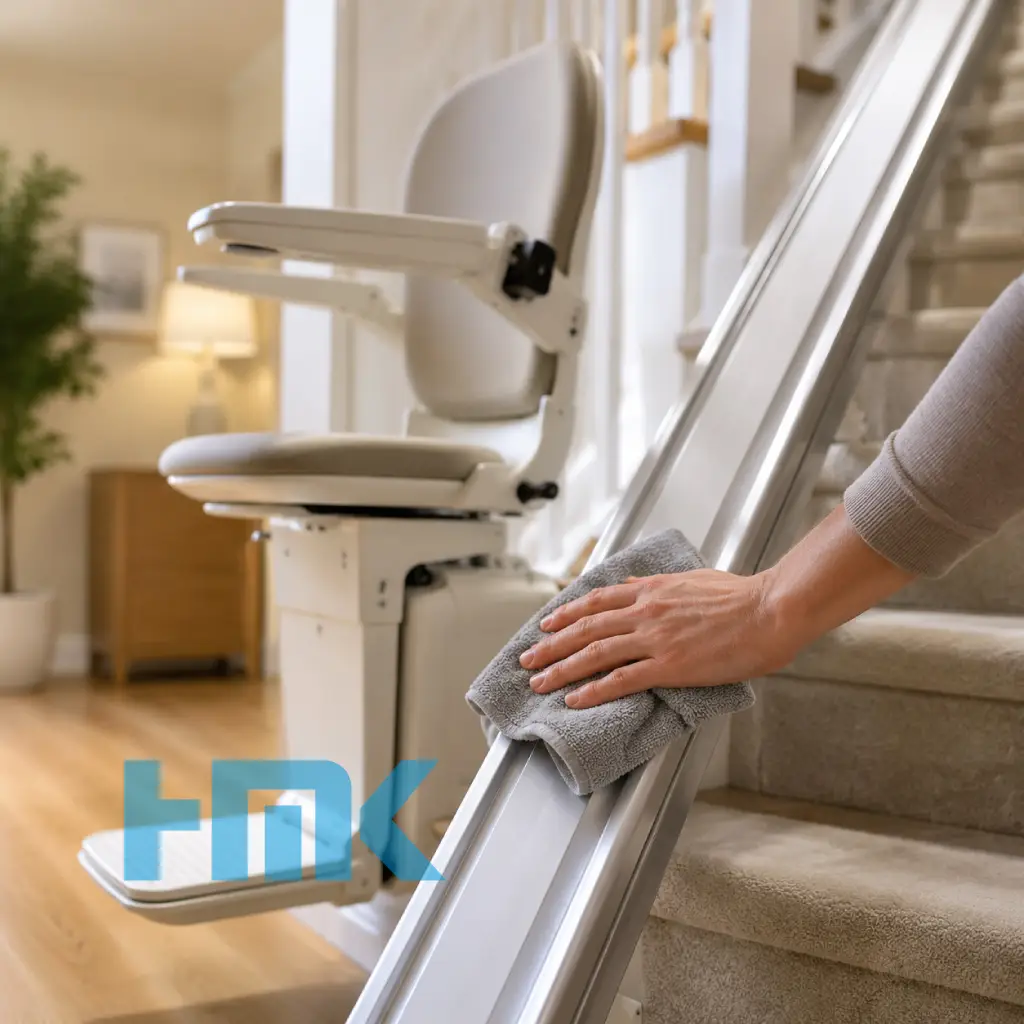
A stairlift can make a home safer, more comfortable, and more accessible for people who find stairs difficult to manage. Whether it is installed for an older adult, someone recovering from surgery, or a person with limited mobility, a stairlift is an important piece of equipment that supports independence every day.
Like any mechanical device, however, a stairlift can develop issues over time. Some problems are minor and easy to fix, while others require professional servicing. Understanding the most common stairlift problems and knowing how to maintain the unit properly can help extend its lifespan, improve safety, and reduce the risk of unexpected breakdowns.
In this article, we will cover the most frequent stairlift issues, practical maintenance tips, and the best ways to keep your mobility equipment running smoothly.
Why Stairlift Maintenance Matters
Regular stairlift maintenance is essential for both performance and safety. A well-maintained chair lift is more likely to operate quietly, move smoothly along the rail, and provide reliable service when needed most.
Routine care can help:
- Prevent sudden malfunctions
- Improve user safety
- Extend the life of the lift system
- Reduce repair costs
- Keep batteries and charging points working efficiently
Ignoring early warning signs can lead to more serious mechanical or electrical problems later on. That is why homeowners should combine simple routine checks with scheduled professional servicing.
Common Stairlift Problems
Below are some of the most common issues stairlift owners may experience.
1. Stairlift Not Moving
One of the most common stairlift problems is when the unit does not move at all. This can happen for several reasons.
Possible causes include:
- The power switch is turned off
- The battery is not charged
- The chair is not fully locked into position
- The seat swivel is not secured
- A safety sensor has been triggered
- There is an obstruction on the track
Many modern stairlifts are designed with built-in safety features. If something is out of place, the stairlift may stop working to protect the user. Before calling for repairs, check that the seat, footrest, and armrests are correctly positioned and that nothing is blocking the rail.
2. Beeping or Warning Sounds
A stairlift that beeps often indicates a charging or battery issue. In many cases, the chair is not parked correctly on the charging point. If the battery is low, the unit may produce an alert sound to notify the user.
Common reasons for beeping include:
- The stairlift is not fully parked at a charge point
- Dirty charging contacts
- A failing battery
- A power supply issue
If the warning continues after parking the stairlift properly, it may be time to inspect the charging stations or contact a stairlift service technician.
3. Battery Problems
Most stairlifts operate using rechargeable batteries, even when connected to household power. The batteries allow the lift to continue working during a power outage, but they do wear out over time.
Signs of battery trouble may include:
- Slower movement
- Reduced number of trips before charging
- Beeping sounds
- The unit stopping mid-journey
Battery life depends on usage, model, and maintenance habits. In many cases, stairlift batteries need replacement every few years. Keeping the lift charged correctly can help maximize battery performance.
4. Obstructions on the Track
Dust, pet hair, small objects, or debris on the rail can interfere with normal movement. Stairlifts include obstruction sensors that stop the chair if something blocks the track or footrest area.
This is a valuable safety feature, but it can also cause frustration if the track is not cleaned regularly. Even minor buildup can affect ride quality or trigger the sensors.
5. Remote Control Not Working
Many stairlifts include remote controls or call/send controls that allow users to move the chair up or down the staircase. If the remote stops working, the problem may be simple./p>
Possible causes include:
- Dead batteries in the remote
- Signal interference
- Faulty wall controls
- Pairing or connection issues
Before assuming there is a major fault, replace the remote batteries and test the device again.
6. Jerky or Noisy Operation
A stairlift should move smoothly and quietly. If it starts making unusual noises or feels jerky during travel, it could indicate wear or a maintenance issue.
Potential reasons include:
- Dirt on the rail
- Loose components
- Worn gears or rollers
- Lack of servicing
- Misalignment in the lift mechanism
Unusual sounds should not be ignored. Grinding, clicking, or squeaking can point to parts that need adjustment or replacement.
7. Seat Swivel or Footrest Problems
The swivel seat and footrest are designed to make getting on and off the stairlift easier and safer. If these components do not lock properly or become stiff, the lift may stop functioning.
This can happen due to:
- Dirt buildup
- Mechanical wear
- Loose fittings
- Improper use
Because these are important safety components, any persistent issue should be checked by a qualified technician.
8. Stairlift Stops Midway
If a stairlift stops halfway up or down the stairs, it may be due to:
- Battery weakness
- Track obstruction
- Sensor activation
- Overuse without enough charging time
- Electrical faults
A one-time stop may be easy to resolve, but repeated interruptions should be professionally diagnosed.
How to Maintain Your Stairlift
Preventive care can reduce the chance of breakdowns and help your stairlift remain dependable. Here are the most important stairlift maintenance steps.
Keep the Track Clean
The rail or track should be kept free of dust, dirt, and obstructions. Use a soft, dry cloth to wipe the track regularly. Avoid using harsh chemicals, greasy cleaners, or excessive moisture, as these may damage components or attract more debris.
A clean track helps the chair glide properly and reduces wear on moving parts.
Charge the Unit Properly
Since most stairlifts rely on rechargeable batteries, correct charging is essential. Always park the stairlift at its designated charging point when it is not in use. If the lift is left away from the charge station for too long, the battery may drain and lose capacity over time.
If your model begins beeping, check whether it is parked correctly before doing anything else.
Check for Loose or Damaged Parts
Visually inspect the seat, armrests, footrest, and controls from time to time. Look for anything loose, cracked, or worn. If you notice damage, avoid using the stairlift until it has been checked.
Never attempt complex repairs yourself unless the manufacturer specifically recommends a user-safe adjustment. Stairlifts are mobility devices, and incorrect repairs can create serious safety risks.
Test Safety Features
Most stairlifts include seat belts, swivel locks, safety edges, and obstruction sensors. These features should be tested periodically according to the user manual.
For example, make sure:
- The seat belt clicks securely
- The swivel seat locks into place
- The footrest folds and unfolds correctly
- The lift stops when an obstruction sensor is triggered
If any safety feature fails, arrange professional servicing immediately.
Replace Remote Batteries When Needed
If the remote becomes unreliable, replacing the batteries is often a simple fix. Keeping spare batteries available can save time and reduce inconvenience.
Schedule Professional Servicing
Even if the stairlift seems to work fine, regular servicing by a trained technician is highly recommended. A professional can inspect internal components, check the motor, test the battery, examine the rail system, and identify wear before it becomes a serious issue.
Annual maintenance is common, though some manufacturers or high-use households may benefit from more frequent inspections.
Follow the Manufacturer’s Instructions
Each stairlift model is different. Straight stairlifts, curved stairlifts, and heavy-duty stairlifts may have different maintenance needs. Always refer to the owner’s manual for guidance on cleaning, charging, troubleshooting, and service intervals.
Using the equipment as instructed can prevent avoidable damage and improve long-term reliability.
Stairlift Maintenance Tips for Everyday Use
Here are a few simple habits that can help keep a stairlift in good condition:
- Keep the staircase clear of objects
- Fold the seat, footrest, and armrests when not in use if recommended
- Listen for unusual sounds
- Do not overload the lift beyond its weight capacity
- Park it on the charging point after each use
- Report problems early instead of waiting for a full breakdown
These small steps can make a big difference in the performance of your home accessibility equipment.
When to Call a Professional
Some basic stairlift issues can be solved by checking the power, cleaning the rail, or repositioning the seat. However, certain problems should always be handled by a qualified stairlift engineer.
Call a professional if:
- The stairlift repeatedly stops during travel
- The battery no longer holds a charge
- The lift makes grinding or loud mechanical noises
- Safety features are not working
- There is visible damage to the track or chair
- The unit shows persistent fault codes or warning signals
Prompt repairs can help avoid more costly damage and reduce the risk of injury.
Benefits of Preventive Stairlift Care
Taking care of a stairlift is about more than avoiding inconvenience. Proper maintenance supports:
- Safer daily use
- Better mobility at home
- Increased independence
- Longer equipment lifespan
- Greater peace of mind for users and family members
For anyone who depends on a stairlift every day, reliability is essential. Preventive maintenance helps ensure the lift is ready when needed.
Conclusion
A stairlift is a valuable investment in comfort, safety, and independent living. While occasional issues can happen, many common stairlift problems can be prevented or minimized through regular care and prompt attention to warning signs.
Keeping the rail clean, charging the unit properly, checking safety features, and arranging routine professional servicing can go a long way toward maintaining reliable performance. Whether you own a straight or curved stairlift, a proactive approach to maintenance will help ensure it continues to serve your household safely and smoothly for years to come.
FAQ
1- How often should a stairlift be serviced?
Most stairlifts should be professionally serviced once a year. If the lift is used heavily or is in a busy household, more frequent inspections may be beneficial.
2- Why is my stairlift beeping?
A beeping stairlift often means it is not charging properly or the battery is low. Check whether it is parked on the charging point and inspect for dirty charging contacts.
3- Can I clean my stairlift myself?
Yes, basic cleaning such as wiping down the seat and track with a soft, dry cloth is usually safe. Always avoid harsh chemicals and follow the manufacturer’s care instructions.
4- How long do stairlift batteries last?
Stairlift batteries typically last several years, depending on usage, charging habits, and the specific model. If the lift slows down or stops unexpectedly, battery replacement may be needed.
5- What should I do if my stairlift stops working?
Start by checking the power supply, charging position, seat lock, and track for obstructions. If the issue continues, contact a professional stairlift repair service.
6- Is it safe to repair a stairlift myself?
Minor user checks are fine, but most repairs should be handled by a trained technician. Stairlifts are safety-critical mobility devices, and improper repairs can be dangerous.
Hamyar Mechanic Koosha Editorial Team
Specialized content team in biomedical engineering and rehabilitation
Hamyar’s editorial team consists of biomedical engineering experts who provide practical, technical content in plain language to raise public awareness.
Related Articles
No articles found.