
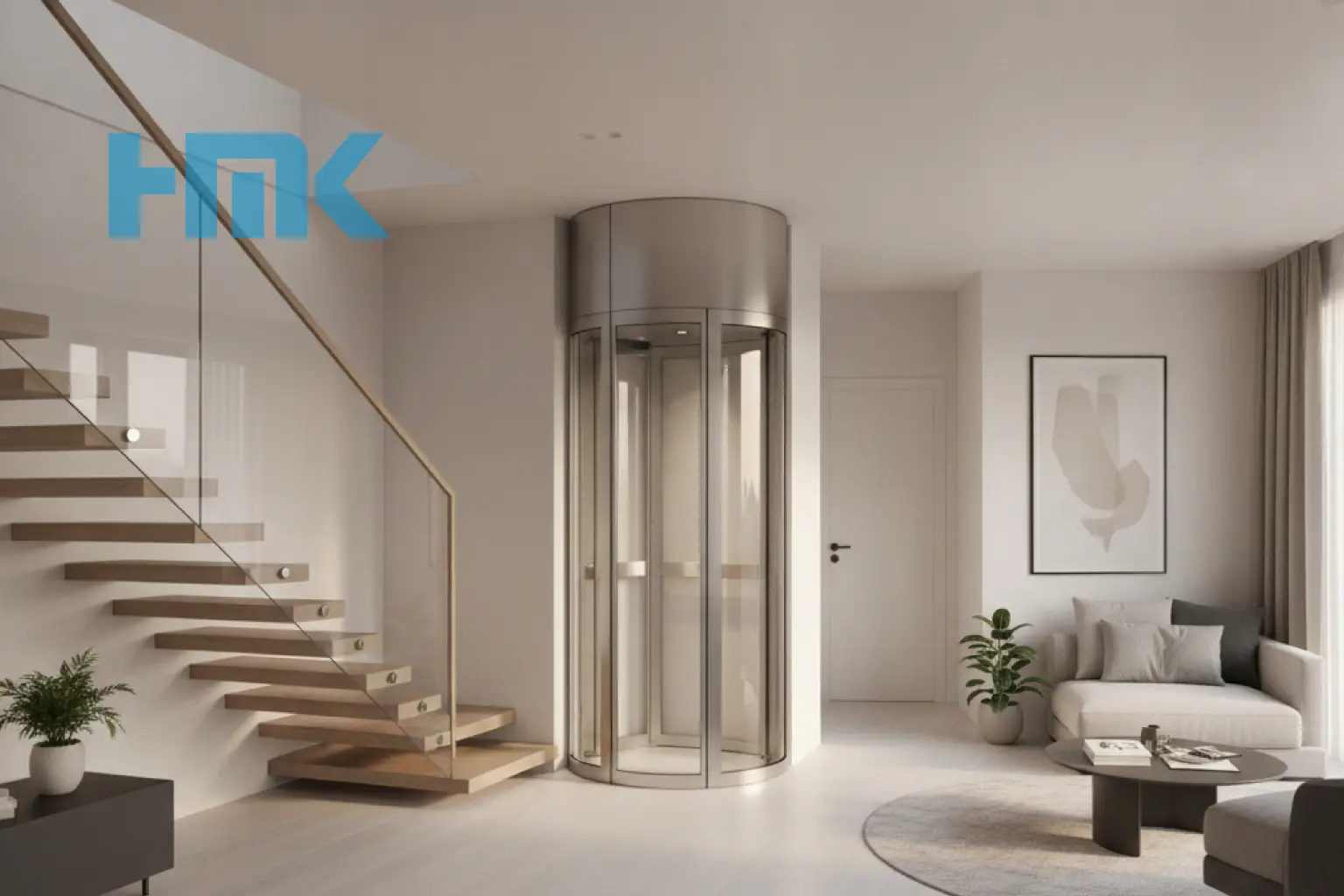
Modern homes are changing. As city living becomes more common and floor plans get tighter, many homeowners are looking for practical ways to improve accessibility without sacrificing space or style. That is where the home lift has become an increasingly attractive solution. Once considered a luxury reserved for large villas or commercial buildings, residential lift systems are now available in compact designs made specifically for small houses, duplexes, townhomes, and even some apartments.
A compact lift can do much more than move people between floors. It can make a home safer for older adults, support family members with mobility challenges, increase convenience for daily living, and add long-term value to the property. Most importantly, new technology has made it possible to install space-saving lift systems in homes where traditional elevators would never have fit.
In this article, we will explore how compact home lifts work, why they are a smart choice for smaller properties, what types are available, key features to consider, installation requirements, pricing factors, and how to choose the right model.
Compact home lifts significance
Small homes and apartments often come with one major challenge: limited vertical accessibility. Stairs may seem manageable at first, but over time they can become difficult for children, older adults, people recovering from injuries, or anyone carrying groceries, laundry, or luggage between floors. A home lift offers an easy and reliable way to move up and down the house while reducing physical strain.
Several trends are driving demand for compact residential elevators:
- Aging in place is becoming a top priority for many families.
- Smaller urban properties need smarter use of available space.
- Homeowners want future-proof accessibility solutions.
- Modern lift technology is quieter, safer, and more energy efficient.
- Design-conscious buyers want mobility solutions that blend into interior décor.
Instead of moving to a single-level house, many people now prefer to adapt their current home. A compact lift allows them to stay in a familiar environment while making the property more comfortable for the years ahead.
What Is a Compact Home Lift?
A compact home lift is a small-scale vertical transportation system designed specifically for private residential use. Unlike a commercial elevator, it usually requires less structural work, less power, and a much smaller footprint. Some models do not need a full machine room or deep pit, making them ideal for properties with limited space.
These lifts are commonly installed in:
- Narrow townhouses
- Duplex homes
- Split-level properties
- Small villas
- Multi-story family homes
- Apartments with suitable structural approval
- Renovation and retrofit projects
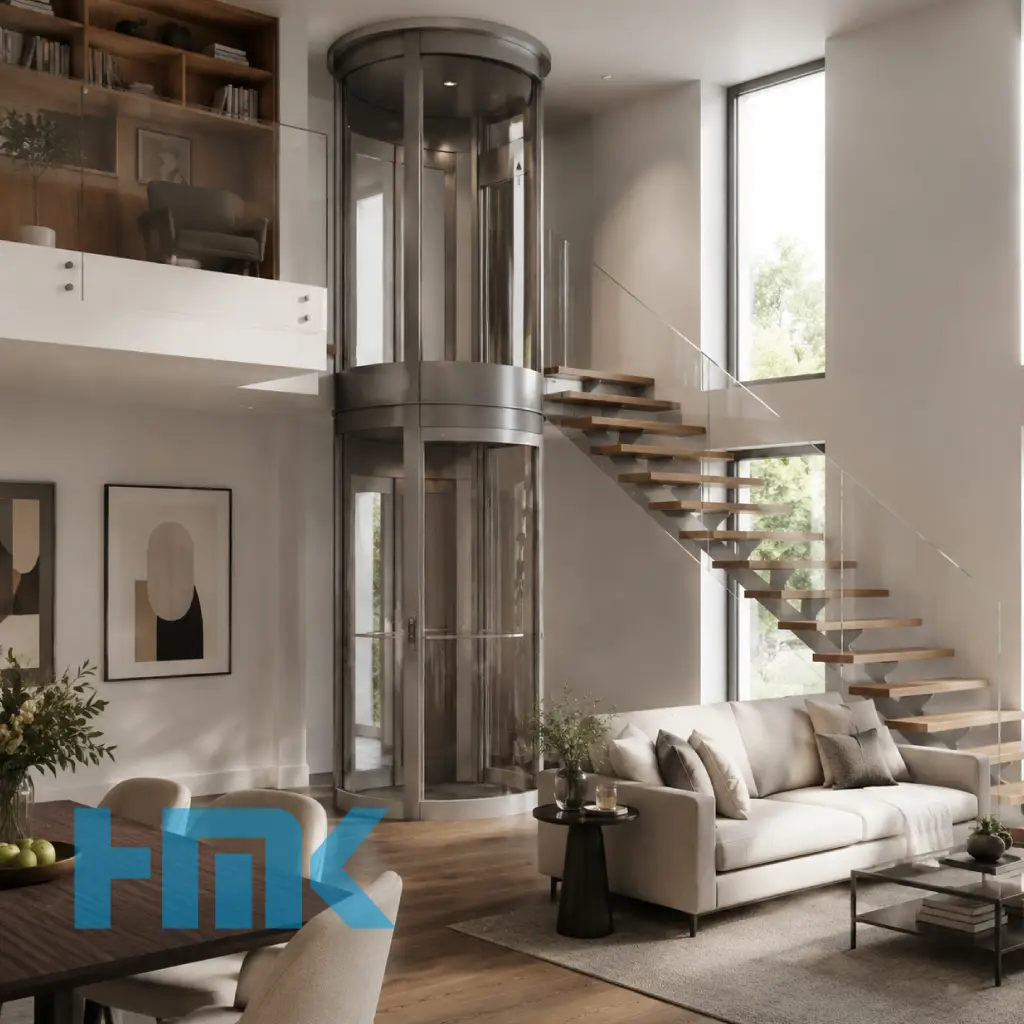
A compact lift can be designed for one or two passengers, wheelchair access, or light goods transport such as shopping bags or household items. Many modern systems are built with minimalist cabins, panoramic panels, and sleek controls that suit contemporary interiors.
Main Benefits of Installing a Home Lift
The following are the benefits of home lift installation:
1. Better Accessibility
The most obvious benefit of a home lift is improved accessibility. It creates step-free movement between floors and helps users maintain independence. This is especially valuable for seniors, wheelchair users, and people with reduced mobility.
2. Efficient Use of Space
Today’s compact residential lift systems are engineered to fit into tight spaces. Some models can be placed in stairwells, corners, closets, or through-floor openings. This means homeowners do not always need to give up an entire room to install one.
3. Increased Safety
Stairs can become a serious hazard, especially in homes with elderly residents or young children. A lift reduces the risk of falls and can offer added safety features such as emergency lowering, backup batteries, door interlocks, obstruction sensors, and alarm buttons.
4. Convenience in Daily Life
A home lift is not only for people with medical needs. It also makes everyday tasks easier. Carrying groceries, moving suitcases, transporting laundry, or bringing items from one floor to another becomes much more convenient.
5. Long-Term Property Value
Accessibility upgrades can improve a home’s appeal to future buyers. As more people look for age-friendly and adaptable properties, a compact lift may become a strong selling point, particularly in multi-level homes.
6. Stylish Interior Integration
Modern domestic lift designs are far more elegant than many people expect. Homeowners can choose from glass panels, custom finishes, soft lighting, slim frames, and minimalist controls to complement the home’s architecture.
Types of Compact Home Lift Systems
Not all lift systems are the same. The right option depends on your available space, budget, design goals, and mobility needs.
Hydraulic Home Lifts
Hydraulic lifts use fluid pressure to raise and lower the cabin. They are known for smooth travel and solid lifting power.
Pros:
- Comfortable ride quality
- Suitable for heavier loads
- Reliable technology
Cons:
- May need a machine room or additional equipment space
- Can require more structural planning
- Maintenance needs may be higher than some newer systems
Hydraulic systems can work well in homes with enough room for supporting equipment, but they are not always the first choice for very tight spaces.
Traction Home Elevators
Traction lifts use ropes or belts and a counterweight system. They are often considered energy efficient and suitable for multiple floors.
Pros:
- Smooth and quiet operation
- Good energy performance
- Suitable for regular use
Cons:
- Structural requirements vary
- Some models need more overhead space
Traction systems are popular in many residential settings, especially where a more traditional elevator feel is desired.
Pneumatic Vacuum Lifts
Vacuum lifts operate using air pressure differences to move the cabin vertically. These are among the most recognizable compact lift options because of their cylindrical design.
Pros:
- Very small footprint
- Minimal construction work
- Often no pit or machine room required
- Modern appearance
Cons:
- Limited cabin size
- Weight capacity may be lower than other systems
- Aesthetic style may not suit every home
For small houses and duplexes, vacuum lifts are often considered an excellent space-saving solution.
Screw-Driven Home Lifts
Screw-driven systems use a motorized screw and nut mechanism to move the platform or cabin.
Pros:
- Compact design
- Often no machine room needed
- Good for retrofit projects
- Reliable for private residential use
Cons:
- Travel speed may be slower
- Ride feel varies by model
These lifts are frequently selected for homes where simplicity, safety, and reduced building work are priorities.
Through-Floor Lifts
Through-floor lifts travel through a cut-out in the floor rather than within a full shaft. They are especially common in smaller homes where traditional elevator construction is not practical.
Pros:
- Very space efficient
- Quick installation compared to shaft-based systems
- Ideal for two-floor homes
Cons:
- Usually limited travel height
- Design options may be more specialized
This type of home lift is often chosen by families who need an accessible solution without a major renovation.
Compact Home Lift Space Requirements
One of the biggest misconceptions is that a residential lift always needs a large shaft. In reality, many compact models are designed specifically for homes with limited floor area.
Depending on the model, some systems can fit within roughly the footprint of a small closet. Others can be integrated into existing architectural voids or installed near staircases. Home lift space requirements depend on factors such as:
- Cabin dimensions
- Load capacity
- Number of stops
- Door configuration
- Need for pit, shaft, or machine room
- Local building regulations
For homeowners with very limited space, a lift supplier will usually carry out a site survey to determine the best placement. In some projects, creative design adjustments can make installation possible without major disruption.
Important Features to Look For
Choosing the right home lift means looking beyond appearance. The most practical system should balance safety, comfort, performance, and ease of maintenance.
Safety Features
Safety should always come first. Look for features such as:
- Emergency stop button
- Battery backup
- Automatic descent during power failure
- Door locking system
- Obstruction detection sensors
- Alarm or intercom
- Overload protection
Quiet Operation
Noise matters in small houses and apartments. A lift that operates quietly will feel much more comfortable in daily use, especially if bedrooms or living spaces are nearby.
Energy Efficiency
Many modern domestic elevators use less electricity than older systems. Some models consume power only during ascent, while others are designed to be highly efficient for low-frequency residential use.
Easy Controls
Controls should be intuitive and accessible for all users. Soft-touch buttons, clear floor indicators, remote call options, and user-friendly panels can improve everyday convenience.
Cabin Design
Even in compact homes, style matters. Look for finishes, lighting, glazing, flooring, and door options that suit your interior design. A well-designed lift should feel like part of the home, not an industrial addition.
Low Maintenance Requirements
Before buying, ask about servicing schedules, replacement parts, warranty coverage, and local technical support. A residential lift should be practical to maintain over the long term.
Installation Considerations
Installing a lift in a smaller property requires careful planning. While many compact systems are designed for retrofit use, every building has unique limitations.
Here are some points to review before installation:
Structural Suitability
A professional assessment is essential. The installer needs to evaluate floor strength, wall support, ceiling height, and travel path.
Available Travel Distance
Some lifts are ideal for two stops, while others can serve several floors. Your home’s layout will influence the most suitable type.
Building Permissions
Depending on your location, you may need planning approval, building permits, or permission from the apartment management or housing authority. This is especially important in shared residential buildings.
Electrical Requirements
Different lift systems have different power needs. Some compact models can run on standard single-phase power, while others may require more specialized electrical work.
Future Accessibility Needs
Think long term. Even if current users do not need wheelchair access, choosing a slightly larger cabin may make the investment more useful in the future.
What Affects the Price?
The cost of a compact home lift can vary significantly. Rather than focusing only on the base price, it is better to understand what drives the total investment.
Major cost factors include:
- Type of lift technology
- Number of floors served
- Cabin size and weight capacity
- Structural modifications required
- Interior finishes and customization
- Installation complexity
- Safety upgrades
- Warranty and maintenance package
A through-floor lift or compact screw-driven model may cost less to install than a fully customized residential elevator with a shaft and premium finishes. However, the cheapest option is not always the best. Reliability, after-sales support, and safety standards are just as important as initial price.
How to Choose the Right Home Lift
With several technologies and layouts available, the best approach is to match the lift to your actual living needs.
Ask yourself:
- How many people will use it regularly?
- Is wheelchair access required?
- How much space is available?
- Is the home a new build or a retrofit?
- How important is design integration?
- What is the total budget, including installation?
- How many floors need to be served?
- What level of maintenance are you comfortable with?
It is also wise to compare multiple suppliers. Ask for detailed quotations, technical drawings, service terms, and information about compliance with residential safety standards. Seeing a showroom model or requesting customer references can also help you make a more confident decision.
Common Myths About Home Lifts
“They are only for luxury homes.”
Not anymore. While some premium models are expensive, many compact lift systems are built specifically for ordinary family homes and practical accessibility needs.
“They take up too much space.”
Many modern models are designed for tight footprints and can fit into places where a traditional elevator could not.
“Installation is always complicated.”
Some projects do require structural changes, but through-floor, vacuum, and self-supporting lift systems can often be installed with less disruption than homeowners expect.
“They use too much electricity.”
Most modern residential lifts are designed for low energy consumption and occasional private use, making them more efficient than many people assume.
Conclusion
A compact home lift can transform the way a small house or apartment functions. It is no longer just a premium feature for large properties. Today, homeowners have access to a wide range of space-saving lift solutions that improve accessibility, safety, convenience, and long-term comfort without overwhelming the layout of the home.
Whether you are planning for aging in place, supporting a family member with mobility needs, or simply making everyday life easier, a compact residential lift can be a smart investment. The key is choosing a system that fits your space, meets your practical needs, and aligns with your budget. By comparing technologies, understanding installation requirements, and prioritizing safety and usability, you can find a lift solution that enhances both your home and your lifestyle.
In a world where smarter living matters more than ever, compact home lifts offer a practical way to make small multi-level spaces more accessible, elegant, and future-ready.
FAQ
1- Are compact home lifts suitable for very small houses?
Yes. Many models are specifically designed for homes with limited floor area. Through-floor lifts, vacuum lifts, and certain self-supporting systems can fit into surprisingly small spaces.
2- Can a home lift be installed in an existing house?
In many cases, yes. Retrofit installation is common. The exact solution depends on the structure of the home, available space, and whether any modifications are needed.
3- Is a home lift better than a stairlift?
It depends on the user’s needs. A stairlift may be cheaper, but a home lift generally offers greater comfort, easier access, and better usability for wheelchairs, shopping, laundry, and multiple users.
4- How many floors can a compact residential lift serve?
This varies by model. Some are designed for two levels, while others can serve three or more floors. Always check the manufacturer’s specifications.
5- Do compact lifts need a shaft?
Not always. Some systems are self-supporting or travel through a floor opening without requiring a conventional shaft.
6- Are home lifts safe during a power cut?
Most modern systems include battery backup or emergency lowering features so users can exit safely if the power fails.
Hamyar Mechanic Koosha Editorial Team
Specialized content team in biomedical engineering and rehabilitation
Hamyar’s editorial team consists of biomedical engineering experts who provide practical, technical content in plain language to raise public awareness.
Related Articles
No articles found.