

Installing a home lift is no longer just a practical decision, it’s a design choice that can elevate the entire aesthetic of your living space. Once considered a purely functional addition for accessibility, today’s residential elevators are architectural features in their own right. They can seamlessly blend into your home’s character or become a striking focal point, depending on your vision.
From modern glass panels to classic wood finishes, the materials and detailing you select play a crucial role in ensuring your lift complements the surrounding décor. In this guide, we’ll explore how to match materials and finishes to different home styles, the importance of thoughtful design integration, and the practical considerations that help balance beauty with functionality.
Why Design Matters in a Home Lift
When integrating a lift into a residential setting, aesthetics and functionality must work together. A poorly matched elevator cabin can disrupt the flow of a carefully designed interior. On the other hand, a thoughtfully styled residential lift can enhance property value, improve accessibility, and elevate the overall atmosphere.
Unlike commercial elevators, a domestic lift is typically visible within living areas, sometimes installed in a stairwell void, hallway, or even as a central architectural feature. That visibility makes material selection, lighting, and finish details particularly important.
Before selecting materials, consider:
- Your home’s architectural style
- Existing flooring, wall textures, and color palettes
- Space constraints
- Desired level of visual impact
- Long-term durability and maintenance
Let’s explore how different materials align with various interior styles.
Matching Design to Popular Home Styles
It is important to know different popular home styles so we can match design with them. Now let's know more about those styles:
1. Modern and Contemporary Homes
Modern interiors emphasize clean lines, open spaces, and minimal ornamentation. In these settings, a sleek home lift design works best.
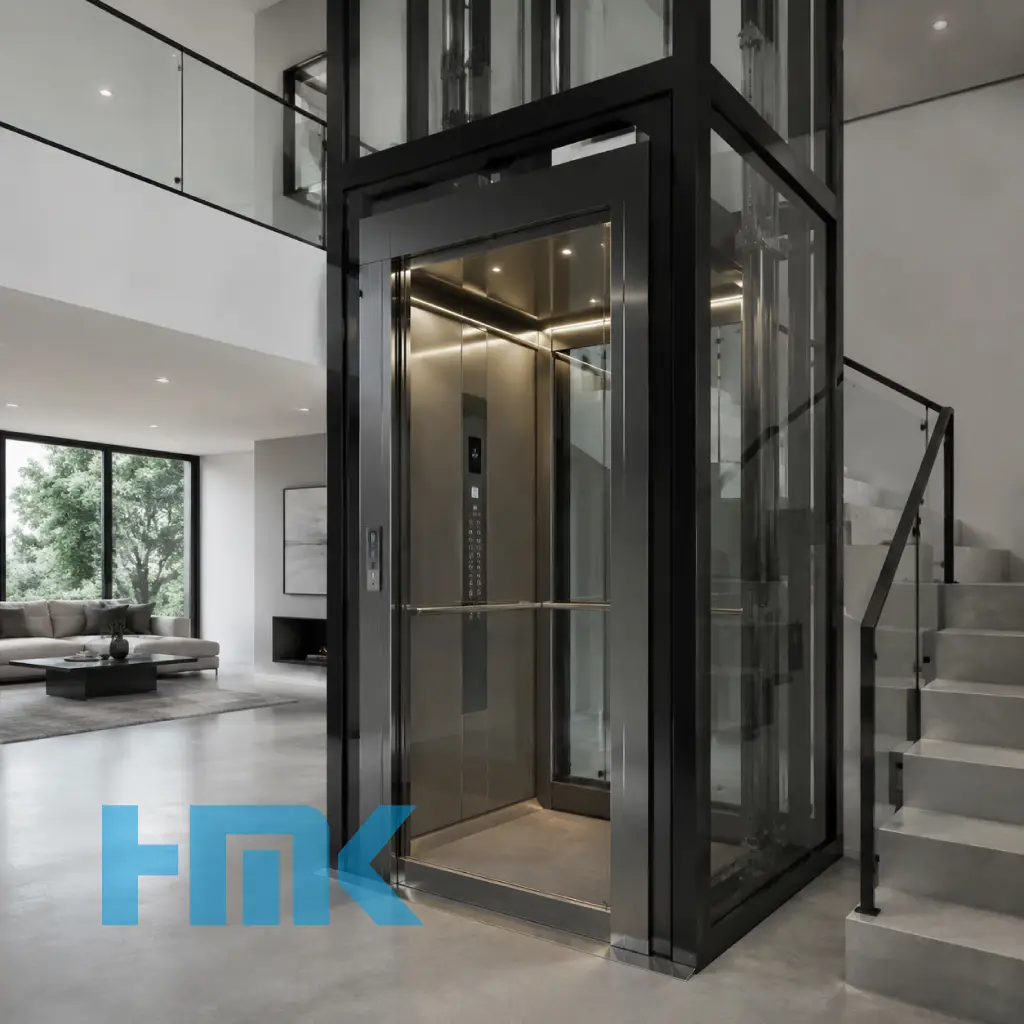
Recommended materials and finishes:
- Tempered glass panels
- Stainless steel or brushed metal
- Matte black or powder-coated frames
- Neutral tones (white, grey, charcoal)
- LED strip lighting
A glass lift shaft creates openness and preserves natural light flow. Frameless glass doors or minimalist metal trims maintain the understated elegance typical of contemporary homes.
For ultra-modern residences, consider:
- Touchscreen control panels
- Soft ambient lighting
- Hidden mechanical components for a seamless appearance
The key is simplicity, avoid decorative excess and keep lines sharp and refined.
2. Traditional and Classic Interiors
Traditional homes often feature rich textures, ornate detailing, and warm color palettes. Here, your residential elevator should reflect that sense of craftsmanship.
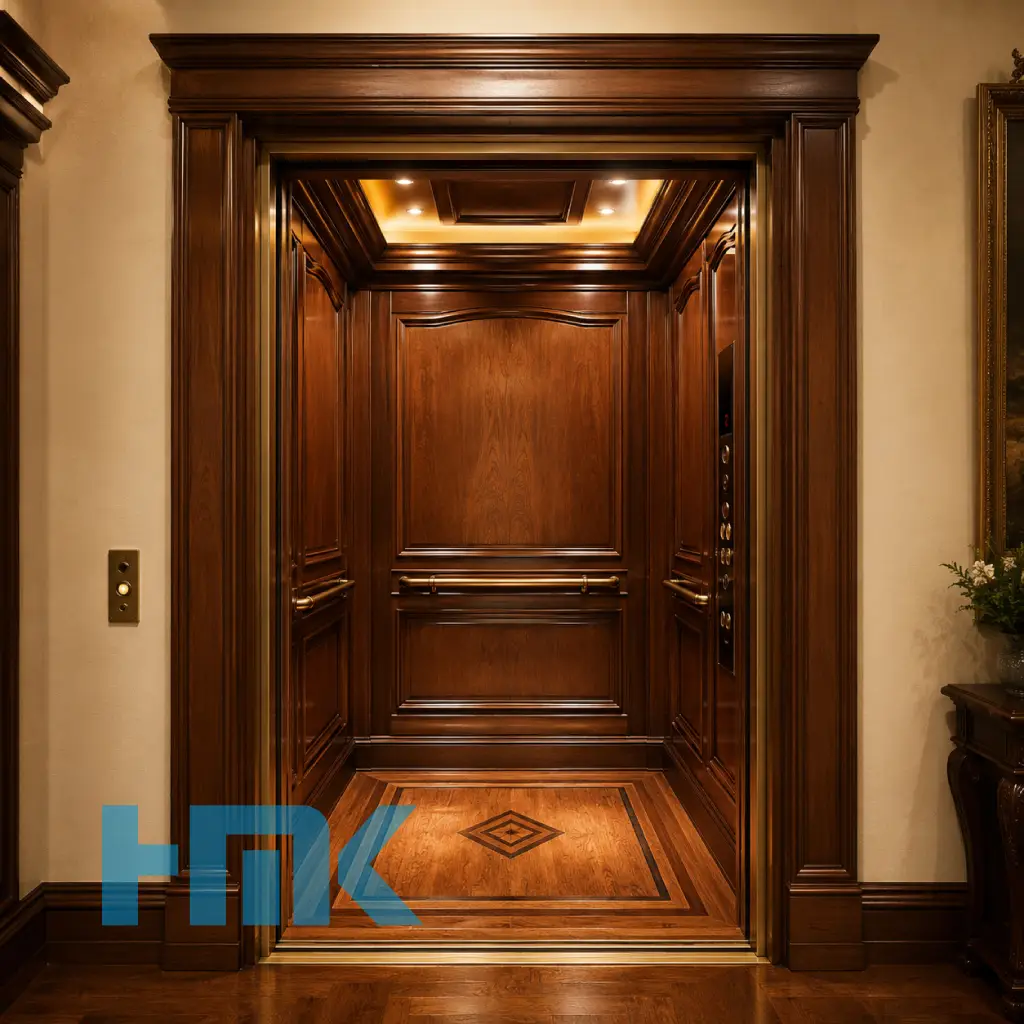
Suitable material choices:
- Solid wood cabin panels (oak, walnut, mahogany)
- Raised moldings and trim details
- Bronze or brass fixtures
- Warm lighting
- Decorative ceiling panels
Wood veneer walls can mirror cabinetry or stair rail finishes, ensuring cohesion throughout the house. Opt for soft lighting to enhance warmth and comfort.
In classic interiors, attention to detail is crucial. Matching door frames, skirting boards, and hardware finishes helps the lift feel like a natural extension of the home rather than a modern intrusion.
3. Industrial-Style Homes
Industrial design celebrates raw materials and exposed structural elements. A home lift in this environment can become a striking design feature.
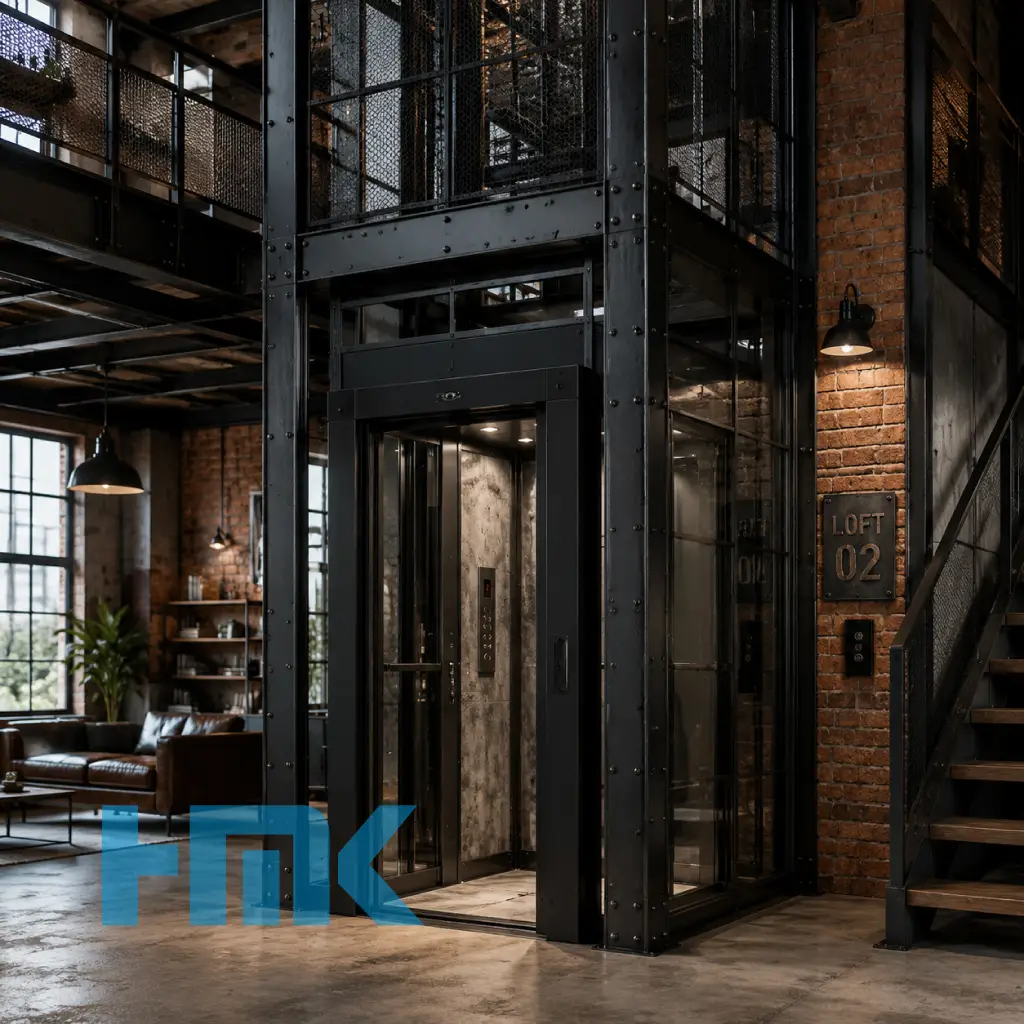
Best material pairings:
- Black steel frames
- Exposed bolts or rivet detailing
- Clear or smoked glass
- Concrete-textured panels
- Wire mesh accents
A shaft made from steel and glass can echo exposed beams and brick walls. Matte finishes and darker color palettes align well with the industrial aesthetic.
Instead of concealing the mechanics, some homeowners choose to highlight structural elements, reinforcing the rugged, utilitarian vibe.
4. Scandinavian and Minimalist Spaces
Scandinavian design emphasizes simplicity, functionality, and light. In these interiors, subtlety is essential.
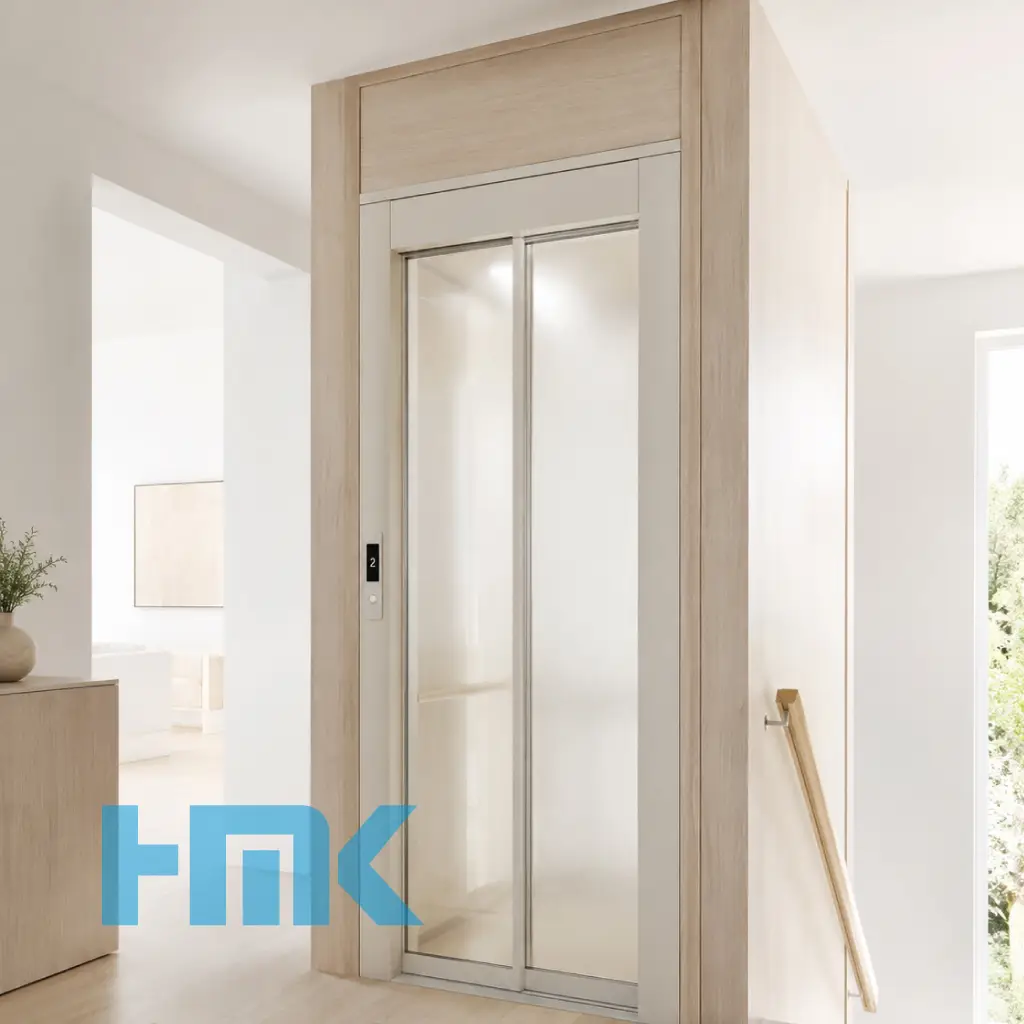
Recommended features:
- Light wood veneers (ash, birch)
- White or off-white panels
- Slim-profile frames
- Soft, diffused lighting
- Frosted glass
A compact lift with minimal framing preserves visual openness. Avoid heavy textures or dark finishes that may overwhelm the airy aesthetic. Here, less truly is more.
5. Luxury and High-End Residences
In upscale properties, the lift often becomes a statement feature. Premium materials and bespoke finishes are common.
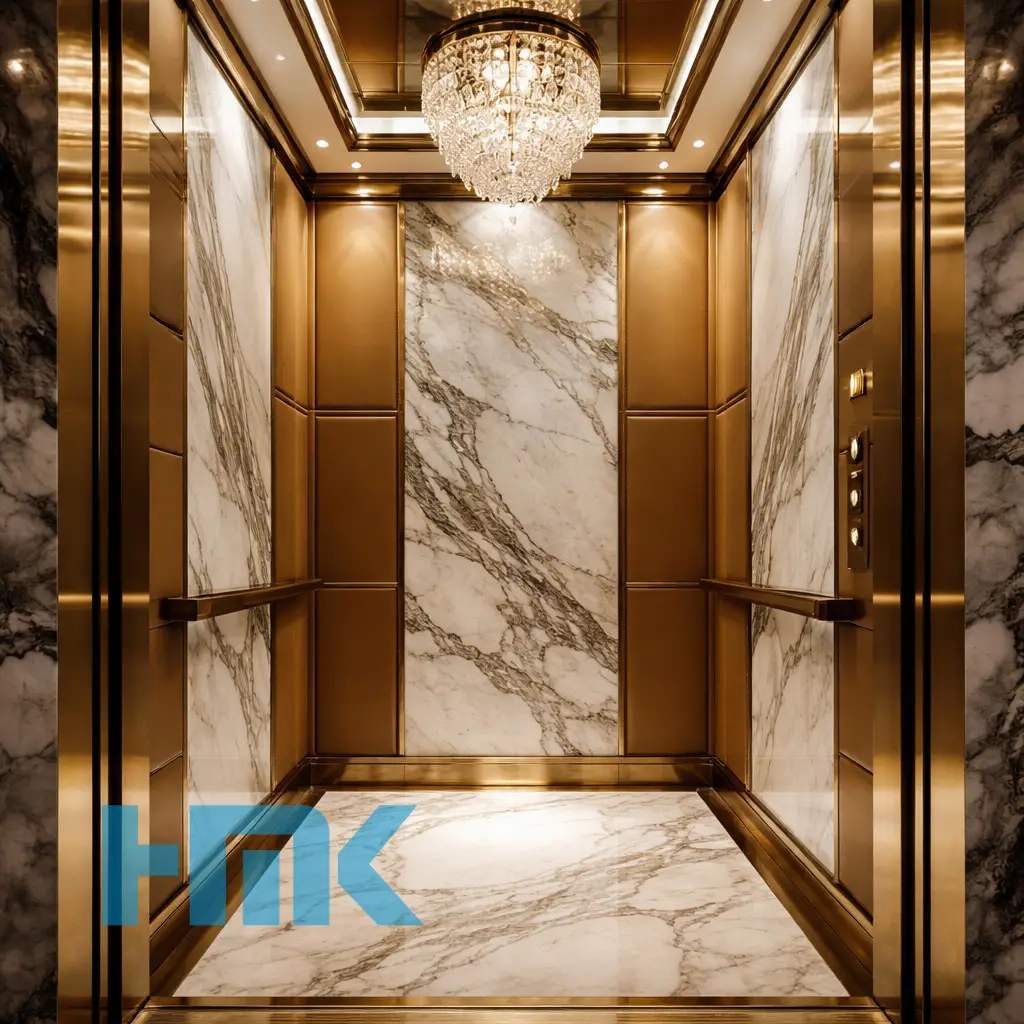
Luxury options include:
- Marble or stone flooring inside the cabin
- Polished brass or gold-tone hardware
- Custom leather wall panels
- Designer lighting fixtures
- Mirrored ceilings
Customization allows homeowners to match the elevator interior to grand foyers, sweeping staircases, and high-end furnishings. Attention to detail, down to stitching patterns or etched glass, creates a refined, cohesive look.
Choosing the Right Materials
While style is important, practical factors must guide your material selection.
1. Durability
A home lift is a high-use feature. Materials should withstand daily operation without excessive wear. Stainless steel, laminated glass, and high-quality veneers offer both durability and aesthetic appeal.
2. Maintenance
Glossy finishes may show fingerprints more easily. Glass panels require regular cleaning. If low maintenance is a priority, consider matte textures and scratch-resistant surfaces.
3. Safety
Safety standards dictate certain material requirements. Tempered or laminated glass, non-slip flooring, and fire-resistant components are essential.
4. Space Efficiency
Compact lift designs may require lighter materials or slimline panels. In smaller homes, reflective surfaces can create the illusion of more space.
Coordinating Colors and Textures
Beyond material type, color coordination is vital. A mismatch in tones can disrupt design harmony.
Tips for color integration:
- Match metal finishes to door handles or lighting fixtures.
- Coordinate wood tones with flooring or cabinetry.
- Use neutral shades if you plan to update décor frequently.
- Consider contrast only when aiming for a bold focal point.
Texture also plays a role. Smooth glass complements polished stone floors, while textured wood pairs well with plush interiors.
Lighting
Lighting transforms the atmosphere of your lift cabin. Even the most premium materials can look dull under harsh lighting.
Options include:
- LED perimeter lighting for a floating effect
- Recessed spotlights for subtle illumination
- Backlit panels for modern drama
- Warm white tones for traditional settings
Lighting should complement the home’s overall ambiance while ensuring clear visibility.
Seamless Integration with Architecture
The best home lift installations feel intentional rather than added as an afterthought.
Consider:
- Aligning the lift shaft with staircases
- Matching door heights and frames with interior doors
- Incorporating the lift into built-in cabinetry
- Using architectural cladding for cohesion
Custom-built enclosures allow the elevator to blend with wall finishes, whether plaster, wood paneling, or stone cladding.
Balancing Aesthetics with Accessibility
For many homeowners, accessibility is the primary motivation for installing a lift. Fortunately, modern designs allow you to maintain elegance without compromising functionality.
Key accessibility features include:
- Wide entry doors
- Low-threshold flooring
- Intuitive control panels
- Handrails integrated into the design
These elements can be incorporated discreetly, preserving style while improving mobility.
Sustainability in Lift Design
Eco-conscious homeowners are increasingly prioritizing sustainable materials.
Consider:
- Energy-efficient drive systems
- LED lighting
- Recycled metal components
- FSC-certified wood veneers
- Low-VOC finishes
A sustainable residential elevator not only reduces environmental impact but also aligns with modern green building practices.
Customization vs. Standard Finishes
Many lift manufacturers offer standard design packages alongside bespoke options. While standard finishes may be cost-effective, customization allows perfect alignment with your home’s style.
Before deciding, evaluate:
- Budget
- Timeline
- Long-term design goals
- Resale considerations
In high-end properties, customization often delivers greater design harmony and value.
Common Mistakes to Avoid
- Ignoring overall interior style
- Choosing trendy finishes that may date quickly
- Overlooking lighting impact
- Prioritizing appearance over durability
- Failing to coordinate with architects or interior designers
Early planning ensures a smooth integration process.
Conclusion
Designing a home lift is about more than selecting a convenient mobility solution, it’s about creating harmony between function and style. By carefully matching materials and finishes to your home’s architectural character, you ensure the lift feels like an intentional part of the space rather than a later addition.
Whether your home reflects modern minimalism, traditional elegance, industrial charm, or luxurious sophistication, the right combination of glass, wood, metal, lighting, and detailing can transform a practical feature into a design asset.
With thoughtful planning, attention to material quality, and alignment with your interior aesthetic, a residential elevator can enhance both accessibility and visual appeal, adding long-term value and comfort to your home.
FAQ
1- Can a home lift be customized to match any interior design?
Yes. Modern residential elevators offer extensive customization options, including cabin materials, door finishes, flooring, lighting, and control panels. Working with designers ensures seamless integration with your home’s style.
2- Are glass lifts safe for residential use?
Absolutely. Glass used in domestic lifts is typically tempered or laminated for strength and safety. It meets strict building regulations and provides both durability and visual appeal.
3- What is the most low-maintenance material for a lift cabin?
Stainless steel with a brushed finish and laminated panels are among the easiest to maintain. They resist fingerprints and scratches better than high-gloss surfaces.
4- Does adding a lift increase property value?
In many cases, yes. A well-designed home lift enhances accessibility, future-proofs the property, and can increase market appeal, especially in multi-story homes.
5- How do I ensure my lift doesn’t look out of place?
Start by matching materials and finishes to existing elements such as flooring, cabinetry, and hardware. Consulting with an interior designer can also help maintain cohesion.
6- Are sustainable lift materials available?
Yes. Many manufacturers offer eco-friendly materials, energy-efficient motors, and recyclable components that align with green building standards.
Hamyar Mechanic Koosha Editorial Team
Specialized content team in biomedical engineering and rehabilitation
Hamyar’s editorial team consists of biomedical engineering experts who provide practical, technical content in plain language to raise public awareness.
Related Articles
No articles found.