
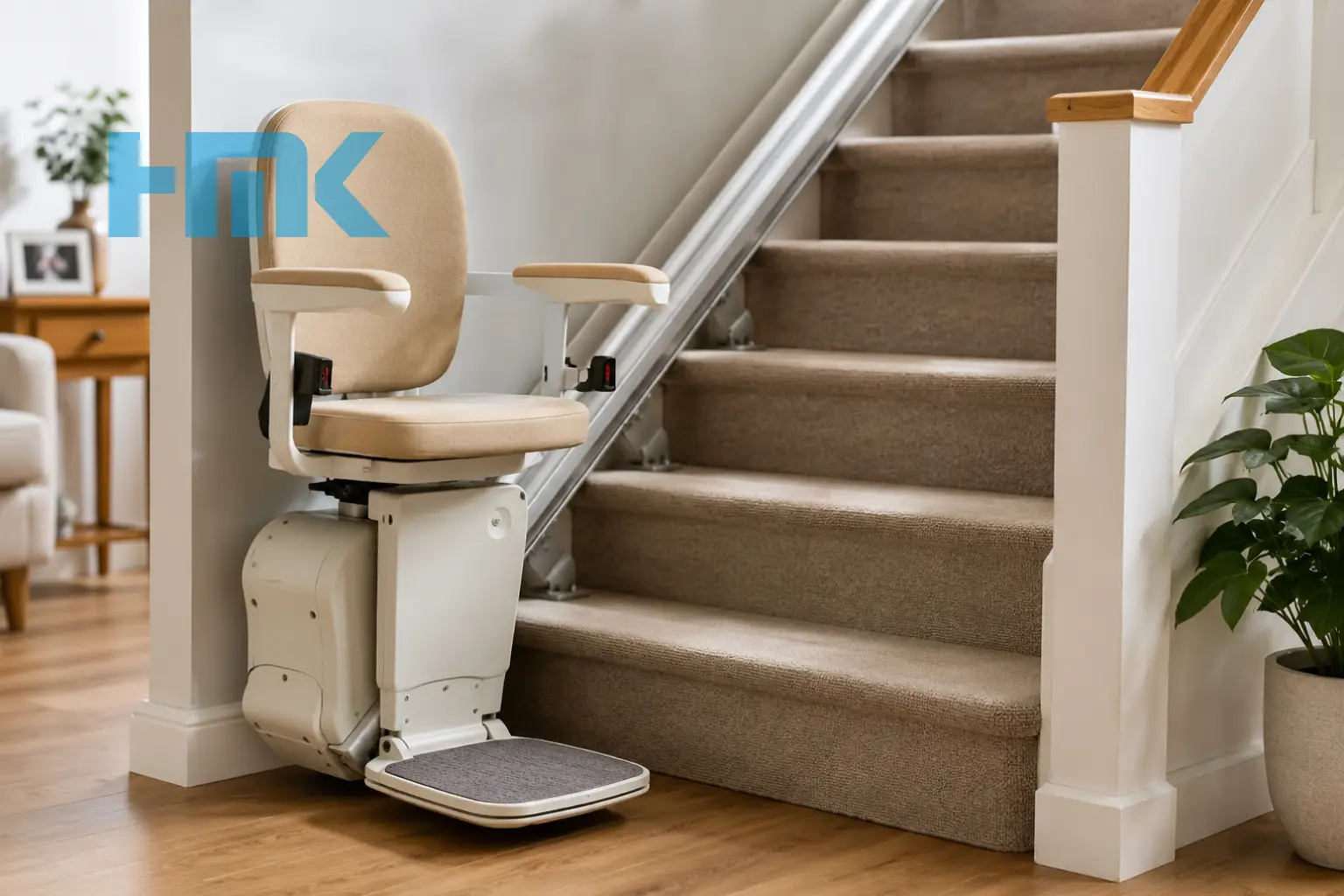
When considering a stairlift for your home, noise is often an overlooked concern. You may wonder whether the motor will be loud enough to disturb family members, interrupt quiet moments, or be noticeable in nearby rooms.
Fortunately, modern stairlift designs use smoother motors and improved drive systems to provide a comfortable and relatively quiet ride. In this guide, we’ll explore how noisy stairlifts typically are, what can cause unwanted sounds, and how proper maintenance can help keep your stairlift operating smoothly and quietly.
How Noisy Are Stairlifts?
If you are considering installing a stairlift at home, one of the most common concerns is noise. A stairlift needs to travel along the staircase several times a day, so it is understandable to wonder whether the motor, gears, or movement will disturb other people in the house.
The good news is that modern stairlift systems are generally designed to operate relatively quietly. While no powered mobility device is completely silent, contemporary models use improved electric motors, smoother drive mechanisms, better gearing, and carefully designed rails to minimize unnecessary noise.
In everyday use, you will normally hear a gentle mechanical hum or whir as the chair moves. The amount of sound can vary considerably depending on the model, the condition of the equipment, the staircase, and the way the lift has been installed.
For most households, a properly installed and maintained stairlift should not be loud enough to become a significant source of disruption. However, there can be noticeable differences between new equipment and an older or poorly maintained unit.
What Makes a Stairlift Noisy?
Several components contribute to the sound produced while a stairlift is operating. Understanding these can help you identify whether a particular level of noise is normal or may indicate a maintenance issue.
The Motor
The electric motor is one of the main sources of sound. As it powers the chair up or down the rail, it produces a steady mechanical hum.
Modern motors are engineered to provide smooth power delivery, which can help keep operating noise at a reasonable level. Older motors, particularly those that have seen years of frequent use, may become louder as components wear.
Gears and Drive Components
The drive system transfers power from the motor to the mechanism that moves the chair along the rail. Depending on the design, this can create a low mechanical whirring sound.
If gears are worn, poorly lubricated where appropriate, or damaged, the noise may become more noticeable. Grinding, clicking, knocking, or unusual rattling is generally more concerning than a consistent motor hum.
The Rail and Track
The rail itself is not usually a major source of noise, but the interaction between the carriage and track can affect how smoothly the lift travels.
A correctly installed track provides a stable path for the carriage. If there is an installation problem, debris, damage, or excessive wear, you may notice vibrations or additional mechanical sounds.
The Staircase
The structure of the staircase can also influence how noise travels through a home. A stairlift installed on a solid staircase may sound different from one fitted to a lightweight or hollow structure.
Some vibrations can be transmitted through the rail's mounting points into the stairs or surrounding walls. This does not necessarily mean that anything is wrong, but it can make the lift seem louder in nearby rooms.
How Modern Stairlifts Compare With Older Models
Technology has improved significantly over the years, and noise reduction is one of the benefits of modern mobility equipment.
Older stairlift designs may use drive components that are more noticeable during operation. After years of service, motors, gears, bearings, and other mechanical parts can also become less efficient and louder.
Newer models tend to focus on smooth acceleration, controlled movement, compact drive systems, and improved manufacturing tolerances. These features can contribute to a more refined ride.
That does not mean every new stairlift will be quieter than every used one. A well-maintained second-hand unit can operate smoothly, while a poorly maintained newer system could develop unwanted sounds.
The condition of the equipment matters just as much as its age.
If noise is particularly important to you, it is worth listening to the actual model before purchasing whenever possible. A demonstration can give you a much better impression than specifications alone.
What Does a Typical Stairlift Sound Like?
A functioning stairlift usually produces a fairly consistent sound while moving.
You might hear:
- A low motor hum
- A gentle whirring from the drive mechanism
- Soft sounds as the carriage moves along the rail
- A brief mechanical sound when starting or stopping
- Minor clicking from switches or safety mechanisms
These sounds are generally normal.
What you should pay closer attention to are sudden or unusual noises. For example, loud grinding, repeated knocking, harsh squealing, significant rattling, or irregular clicking may indicate that the stairlift needs inspection.
A change in sound can be particularly useful as an early warning sign. If a lift that has always operated quietly suddenly becomes noticeably louder, it is sensible to have it checked rather than assuming the noise is harmless.
Are Some Stairlift Models Quieter Than Others?
Yes. Although manufacturers often aim for quiet operation, different designs can have different acoustic characteristics.
A straight stairlift is typically simpler because it travels along one continuous rail. Curved stairlifts are custom-designed to follow bends, corners, and changes in direction, so their construction can be more complex.
The specific motor and drive technology also matter. Some systems prioritize particularly smooth acceleration and deceleration, which can make the ride feel quieter and more comfortable.
Other factors include:
Motor design: Efficient, modern motors can deliver smooth movement without excessive mechanical noise.
Drive mechanism: The way the carriage grips or engages with the rail can influence sound and vibration.
Rail construction: A well-designed and securely fitted track can help minimize unwanted movement.
Installation quality: Even a quiet model can produce unnecessary vibration if it has not been installed correctly.
Maintenance: Worn components can gradually make a stairlift louder.
When comparing models, don't focus exclusively on the manufacturer's claims. Consider the complete system and, ideally, hear it operating in person.
How to Reduce Stairlift Noise
If you already have a stairlift and find it louder than expected, there are several practical steps you can take.
Keep the Track Clean
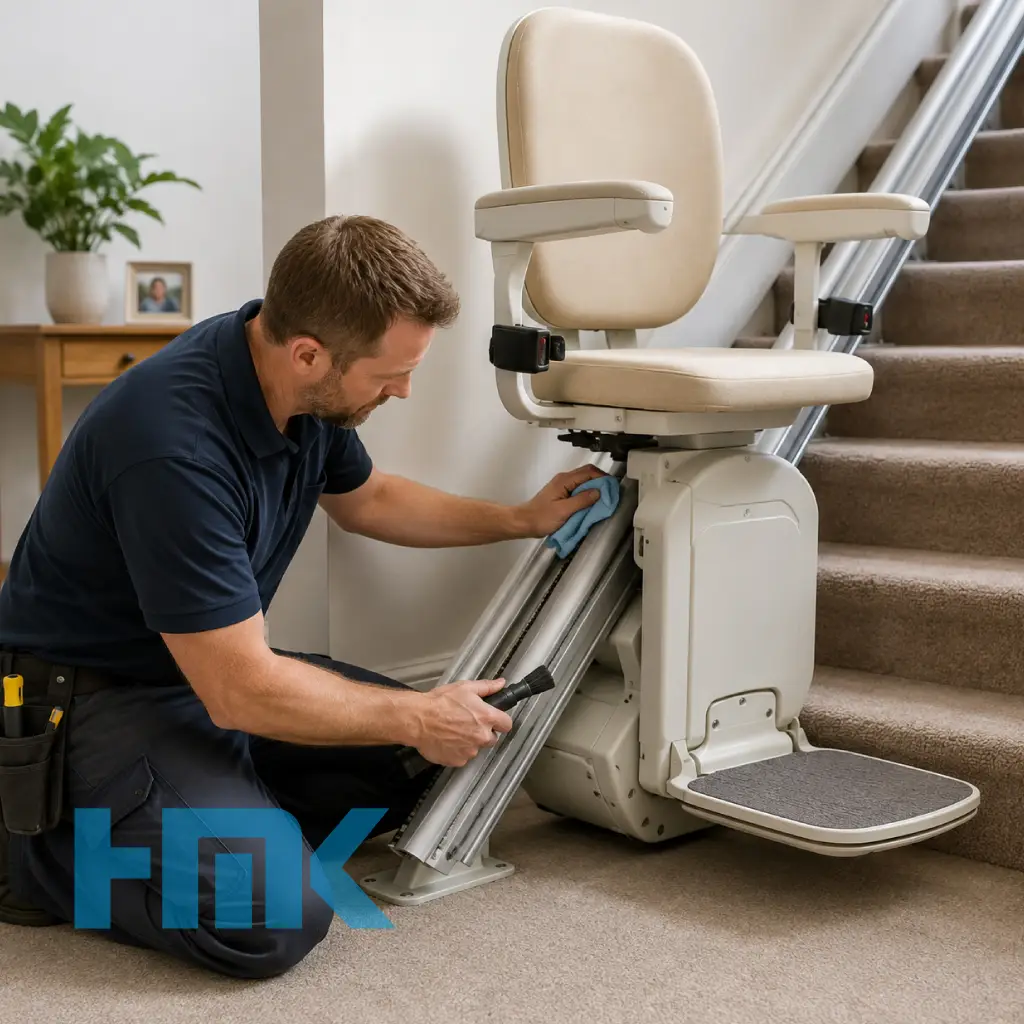
Dust and debris can accumulate around parts of the system over time. Following the manufacturer's cleaning recommendations can help maintain smooth operation.
Avoid applying household oils or lubricants unless the manufacturer specifically recommends them. Using the wrong product can damage components or interfere with the drive mechanism.
Schedule Regular Servicing
Routine servicing allows a qualified technician to inspect moving parts, electrical components, safety features, and the drive system.
Maintenance can also identify worn components before they cause more significant problems. A stairlift that receives appropriate servicing is more likely to remain smooth and dependable.
Check for Changes in Performance
Noise is only one part of the picture. Pay attention to changes in speed, hesitation, vibration, jerky movement, or unusual stops.
A combination of new noise and altered performance is a good reason to arrange a professional inspection.
Use a Qualified Installer
Installation quality can have a surprisingly important effect on the overall experience. A properly fitted rail and correctly adjusted carriage can help reduce unnecessary vibration.
If you are buying a new stairlift, choose an experienced installer and make sure the installation includes appropriate testing.
Used Stairlifts
For homeowners working with a limited budget, used stairlifts can be an attractive alternative to buying new equipment. Second-hand models may cost considerably less, but the potential savings need to be weighed against condition, compatibility, installation, and servicing.
One of the biggest questions is noise.
A used stairlift is not automatically noisy simply because it has been previously owned. A well-maintained unit can continue to operate smoothly for years. However, older equipment is more likely to have accumulated wear in the motor, gears, bearings, carriage, or other moving components.
Before buying a second-hand model, ask:
- How old is the stairlift?
- How frequently was it used?
- Has it been professionally serviced?
- Are replacement parts still available?
- Will the rail fit your staircase correctly?
- Does the purchase include professional installation?
- Is there a warranty or service agreement?
- Can you hear the unit operating before buying?
It is also important to remember that stairlift rails are often designed for a particular staircase. A used stairlift may not be a straightforward fit simply because it is the same brand or model you want.
A reputable supplier should be able to assess whether the equipment is suitable for your staircase and explain any installation or refurbishment costs.
Ultimately, a second-hand stairlift can be worthwhile when it has been properly inspected, refurbished where necessary, professionally installed, and supported with appropriate after-sales service. The cheapest option is not always the best value if it develops reliability or maintenance problems soon after installation.
َAlso Read: Are Second-Hand Models Worth It?
What to Consider Before Buying a Stairlift
Noise is important, but it should not be the only factor influencing your decision.
Staircase Design
Straight and curved staircases require different solutions. A straight staircase generally allows for a simpler installation, while a staircase with multiple turns may require a custom rail.
Comfort
Look at the seat design, armrests, footrest, controls, and overall riding position. A quiet stairlift is of little benefit if it is uncomfortable to use.
Safety Features
Look for features such as seat belts, obstruction sensors, swivel seats, braking systems, and appropriate controls. The exact features vary between models.
Battery and Power
Many stairlifts use rechargeable batteries so they can continue operating during a power interruption. Ask about expected battery life, replacement costs, and charging arrangements.
Warranty and Servicing
Consider what happens if the stairlift develops a fault. A strong warranty and accessible servicing can be more valuable than a slightly lower purchase price.
Demonstration
If possible, arrange a demonstration before committing. Listen to the stairlift while it travels and pay attention to acceleration, stopping, vibration, and overall ride quality.
Conclusion
Modern stairlifts are generally much quieter and smoother than many people expect. Although you will hear some motor and mechanical sounds during operation, a well-designed, correctly installed, and properly maintained system should not normally create excessive household noise.
The condition of the equipment is particularly important. New technology can provide smooth operation, but an older stairlift can also perform well when it has been professionally maintained. Conversely, even a relatively new unit can become noisy if components wear out or installation and servicing are inadequate.
If you are comparing stairlifts, listen to the equipment in operation rather than relying solely on product descriptions. Consider the motor, drive system, staircase construction, installation quality, maintenance requirements, warranty, and long-term servicing.
For buyers considering used stairlifts, price should not be the only consideration. A second-hand model can offer excellent value when it is thoroughly checked, suitable for your staircase, professionally installed, and supported by reliable servicing.
Ultimately, the best stairlift is one that combines quiet operation with safety, comfort, reliability, and suitability for your home. With the right model and proper maintenance, everyday use should be smooth, discreet, and convenient.
FAQ
1- Are stairlifts loud?
Most modern stairlifts are designed for relatively quiet operation. You will normally hear a low motor hum and mechanical movement, but a properly maintained unit should not produce excessive noise.
2- Can you hear a stairlift from another room?
It is possible, particularly if the staircase is close to bedrooms or living areas. However, how noticeable the sound is depends on the stairlift, staircase construction, installation, and surrounding room layout.
3- Why has my stairlift suddenly become noisy?
A sudden increase in noise can be caused by wear, debris, loose components, or another mechanical issue. If the change is significant or accompanied by vibration or jerky movement, contact a qualified stairlift technician.
4- Are curved stairlifts noisier than straight stairlifts?
Not necessarily. Curved systems can have more complex rail designs, but noise levels depend on the specific equipment, installation, condition, and maintenance rather than simply whether the lift is curved or straight.
5- Are used stairlifts noisy?
Not automatically. A refurbished and well-maintained second-hand stairlift can operate quietly. However, older equipment may have more wear, so it is important to inspect and test it before purchasing.
6- How can I make my stairlift quieter?
Keep the equipment clean according to the manufacturer's instructions, arrange regular servicing, and have unusual noises investigated. Do not use unauthorized lubricants or attempt mechanical repairs yourself.
6- Should I avoid a stairlift if my bedroom is next to the stairs?
Not necessarily. Many modern systems operate quietly enough for normal household use. If noise is a major concern, ask for a demonstration and discuss the location of the staircase with the installer before making a decision.
Hamyar Mechanic Koosha Editorial Team
Specialized content team in biomedical engineering and rehabilitation
Hamyar’s editorial team consists of biomedical engineering experts who provide practical, technical content in plain language to raise public awareness.
Related Articles
No articles found.