
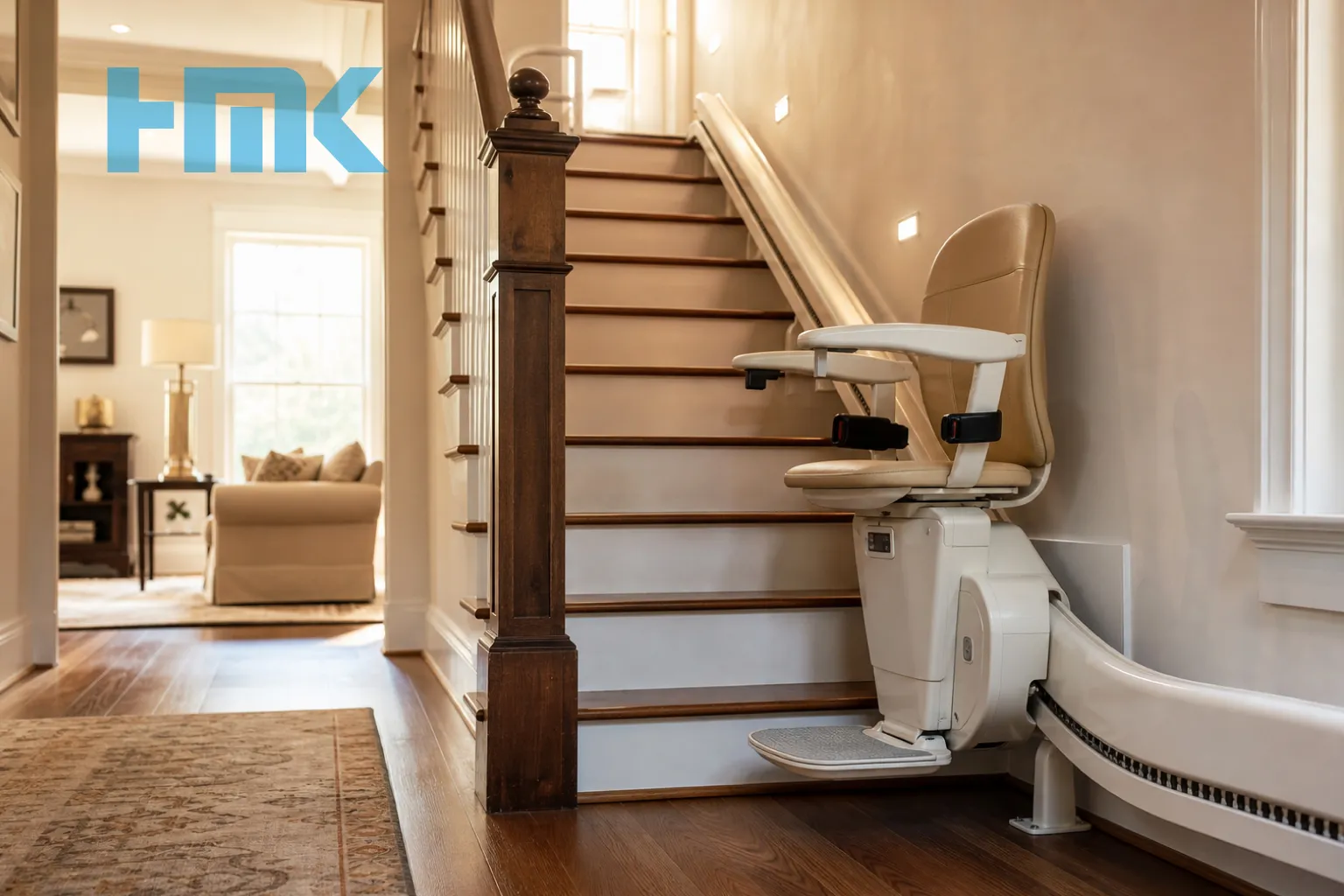
Buying a stairlift can be a major decision for any household. For many people, the biggest question is not whether they need one, but whether they should buy new or choose a used stairlift instead. Second-hand models can seem attractive because they often cost less upfront, but price is only one part of the story. Comfort, safety, reliability, warranty coverage, and installation quality all matter just as much.
For homes where mobility support is needed quickly, a used stairlift may look like a practical solution. It can help older adults, people recovering from surgery, and individuals with limited mobility stay independent in multi-level homes. Still, not every pre-owned model is a good fit. The right choice depends on the staircase layout, the condition of the unit, and whether the lift can be properly refurbished and installed.
What Is a Used Stairlift?
A used stairlift is a previously installed model that has been removed from another property and sold again, usually through a dealer or mobility provider. Some are reconditioned units, meaning key parts have been inspected, cleaned, repaired, or replaced before resale. Others may be sold more cheaply with minimal refurbishment, which can increase risk.
Used models are usually available as straight stairlifts, though curved stairlifts are more complicated because the rail is custom-made for the staircase. That means second-hand curved systems are much harder to reuse unless the original layout is very similar. For many homes, especially with standard straight stairs, a pre-owned stairlift can be a realistic option.
How Stairlifts Work
Understanding how stairlifts work helps buyers judge whether a used model is suitable. A stairlift runs along a rail fixed to the staircase, not the wall, which makes installation less invasive than many people expect. The user sits on a powered chair or standing platform, depending on the model, and controls the lift with a simple joystick, button, or remote call/send control.
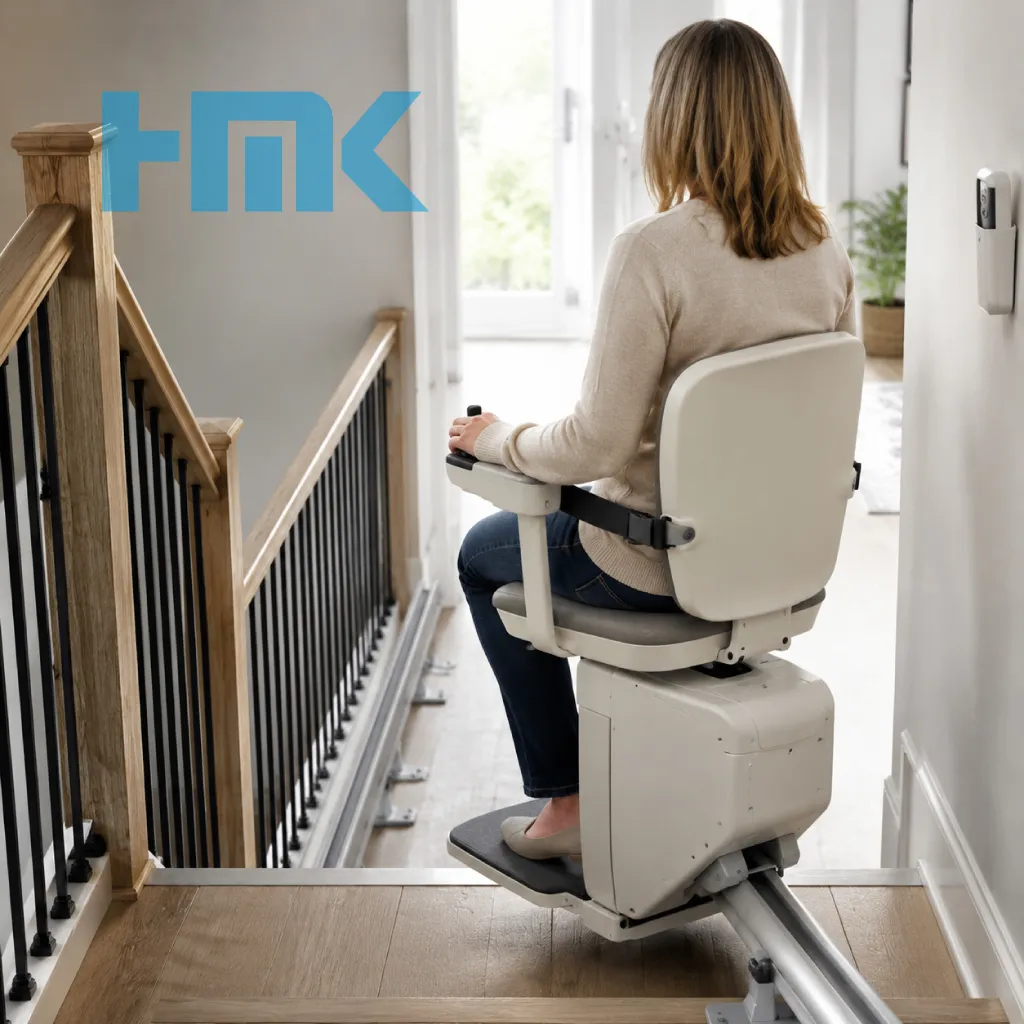
Inside the carriage is an electric motor powered by rechargeable batteries. These batteries are usually charged through a mains connection at the docking points. Even during a power outage, many stairlifts can still operate for several trips because they rely on battery power, not direct mains power while moving.
Safety features are built into most modern units. These may include a seatbelt, swivel seat, obstruction sensors, safety edges, and a key switch to prevent unauthorized use. The lift slows smoothly at the top and bottom, then stops gently to reduce strain on the rider. In short, the system is designed to provide safe, controlled movement up and down the stairs with minimal physical effort.
The Benefits of Buying Second-Hand
The biggest advantage of a used stairlift is affordability. For households managing a tight budget, the lower purchase price can make accessibility possible sooner. This is especially helpful when mobility needs are urgent and waiting for a new custom system is not practical.
Another benefit is availability. Reconditioned stairlifts can often be installed faster than brand-new curved systems, which may require a longer manufacturing timeline. If the staircase is straight and the model is compatible, the process can be quite efficient.
Used models can also be a smart short-term solution. For example, someone recovering from a knee operation, hip replacement, or other mobility-limiting condition may only need support for a limited time. In such cases, a second-hand stairlift may provide excellent value without the cost of a premium new unit.
The Risks to Consider
A used stairlift is not always the best choice. Wear and tear may affect performance, especially if the unit has seen heavy use. Batteries may be weaker, motors may be less efficient, and small components may have hidden damage. If refurbishment is incomplete, maintenance costs can rise later.
Compatibility is another concern. Stairlifts are not universal in every situation. Straight stairs are simpler, but curved stairs, narrow landings, and unusual staircase dimensions can limit reuse options. A model that seems inexpensive may still require expensive rail adjustments or replacement parts.
Warranty coverage is also important. New stairlifts usually come with stronger manufacturer support, while used models may have shorter warranties or limited after-sales service. That means the true cost should include installation, servicing, and future repairs, not just the sticker price.
When a Used Stairlift Makes Sense
A second-hand stairlift is often worth considering when the staircase is straight, the unit comes from a reputable dealer, and the model has been properly reconditioned. It can also be a strong option when budget matters most, or when the need is temporary.
It may also suit homes where accessibility is urgent but a custom new system would take too long. In those cases, a reliable used lift can restore independence quickly. The key is to focus on the overall value, not just the initial savings.
When a New Stairlift May Be Better
A new stairlift is usually the better choice for curved staircases, long-term use, or situations where reliability and warranty support are top priorities. If the user has specific comfort needs, such as a wider seat, powered swivel, or heavy-duty capacity, a custom new model may provide a better experience.
New units may also offer quieter operation, more advanced safety features, and longer service life. For some households, paying more upfront can reduce stress later and create a better fit for both the home and the user.
What to Check Before Buying
Before purchasing a used stairlift, it helps to ask a few practical questions. Is the unit fully reconditioned? Has the battery been replaced or tested? Is installation included? What warranty is provided? Is the model suitable for the staircase length, width, and shape?
It is also wise to confirm the maintenance history, weight capacity, and available replacement parts. A trustworthy supplier should be transparent about condition, age, and servicing. If possible, a home assessment should be carried out before finalizing the purchase.
Conclusion
Used stairlifts can absolutely be worth it, but only in the right situation. For straight staircases, limited budgets, and urgent mobility needs, a well-refurbished second-hand model can offer excellent value. However, buyers should be careful about condition, warranty, compatibility, and long-term support.
If safety, customization, and long-term reliability matter most, a new stairlift may be the better investment. The best choice depends on the user’s needs, the staircase layout, and the quality of the supplier. In the end, the right stairlift is the one that provides safe, comfortable access and real peace of mind.
FAQ
1- Are used stairlifts safe?
Yes, if they are properly reconditioned, installed by professionals, and tested before use. Safety depends heavily on the supplier and maintenance quality.
2- How long do stairlifts usually last?
A well-maintained stairlift can last many years, but battery life, motor condition, and regular servicing all affect lifespan.
3- Can used stairlifts fit curved stairs?
Usually not easily. Curved stairlifts are normally custom-made for one staircase, so reuse is far more limited than with straight models.
4- Do used stairlifts come with a warranty?
Often yes, but warranties are usually shorter than those for new units. Always check what is covered before buying.
5- Is a used stairlift cheaper than a new one?
Yes, in most cases the upfront cost is lower. But installation, repairs, and future servicing should also be considered.
Hamyar Mechanic Koosha Editorial Team
Specialized content team in biomedical engineering and rehabilitation
Hamyar’s editorial team consists of biomedical engineering experts who provide practical, technical content in plain language to raise public awareness.
Related Articles
No articles found.