
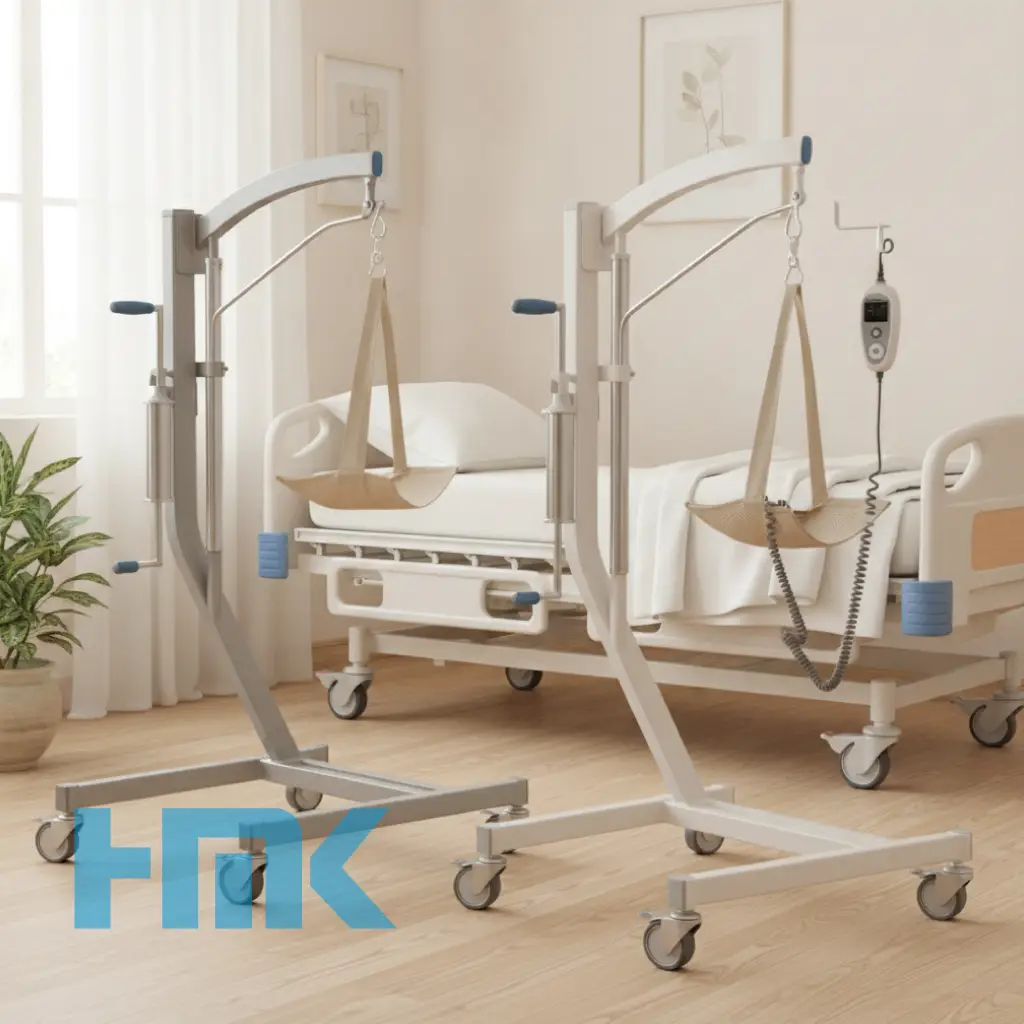
In the world of home health care and assisted living, mobility is a cornerstone of quality of life. For caregivers and family members assisting loved ones with limited mobility, the ability to safely transfer a person from bed to chair, or from a wheelchair to a bathroom, is essential. This is where a patient lift becomes an indispensable tool.
Choosing the right equipment can be overwhelming. The debate often centers on one primary question: should you invest in a manual or an electric patient lift? Both devices serve the same fundamental purpose, reducing the risk of injury for both the patient and the caregiverbut they achieve this goal through vastly different mechanisms. This guide will break down the key differences to help you make an informed decision for your specific caregiving environment.
Understanding the Patient Lift
Before diving into the mechanics, it is important to understand why these devices are critical. Manual handling of patients is the leading cause of work-related musculoskeletal injuries among nurses and home caregivers. Whether you are caring for an elderly parent or managing a complex rehabilitation process, a patient lift is designed to shift the weight of the individual, significantly reducing the strain on the caregiver’s back, shoulders, and knees.
By utilizing a mechanical assist device, you are not just making the job easier; you are ensuring the dignity and safety of the patient, minimizing the risk of slips, falls, or skin tears during the transfer process.
Also Read:different types of patient lifts
The Manual Patient Lift
A manual patient lift operates on hydraulic or mechanical principles. Typically, these units use a hand-operated pump or lever system to raise and lower the spreader bar, which is attached to the patient’s sling.
The Advantages of Manual Lifts
- Cost-Effectiveness: Generally, manual models are significantly more affordable than their electric counterparts. For families on a strict budget, they offer a reliable solution without the high price tag.
- No Power Requirements: Because they are strictly mechanical, you never have to worry about battery levels, charging cables, or power outages. They are always ready to go.
- Durability: With fewer electronic components, there is less that can go wrong. Maintenance is usually straightforward, involving basic lubrication and inspection of the hydraulic seals.
The Drawbacks
- Physical Exertion: While a manual lift is easier than lifting a person by hand, it still requires physical strength. The caregiver must operate the pump repeatedly to lift the patient, which can be exhausting over time, especially if multiple transfers are required daily.
- Slower Operation: The process is inherently slower. If you are in a rush or managing an emergency, the repetitive pumping can feel cumbersome.
- Precision Issues: Achieving a slow, smooth, and controlled descent can be trickier, as it depends on the caregiver's ability to modulate the release valve.
The Electric Patient Lift
An electric patient lift, often referred to as a power lift, uses a rechargeable battery and an electronic actuator to handle the heavy lifting. With the touch of a button on a hand remote, the motor does the work.
The Advantages of Electric Lifts
- Reduced Caregiver Strain: This is the most significant benefit. By eliminating the manual pumping motion, electric lifts reduce the physical burden on caregivers to almost zero. This is vital for older caregivers or those with their own mobility challenges.
- Smooth and Consistent Control: Electric motors offer a smooth, steady rise and fall. This provides a more comfortable and secure experience for the patient, who may feel anxious during transfers.
- Efficiency: Transfers are faster and require less effort, allowing for more frequent or less stressful movement throughout the day.
- Battery Management: Modern power lifts feature easy-to-read battery indicators and swappable battery packs, ensuring that the device is ready when needed.
The Drawbacks
- Higher Initial Investment: Electric models command a higher retail price, which can be a barrier for some families.
- Maintenance Needs: These devices have more complex parts, including motors, batteries, and remote controls. While highly reliable, they do require periodic checks of the electrical components.
- Battery Dependency: You must be disciplined about charging the battery. If it dies mid-transfer, you could find yourself in a difficult situation, though most units include a manual override for emergencies.
Key Factors to Consider Before Buying
When weighing the pros and cons of a patient lift, consider these critical factors:
1. Frequency of Use
If you need to move the patient five to ten times a day, an electric lift is almost certainly worth the investment to save the caregiver's physical health. If the lift is only used for occasional emergencies or nightly transfers, a manual version may suffice.
2. The Caregiver’s Physical Ability
Be honest about your own physical limitations. If the caregiver has chronic back pain, arthritis, or limited strength, a manual lift may exacerbate existing injuries, making an electric model the only safe choice.
3. Patient Anxiety
Some patients are nervous about being lifted. The smooth, predictable motion of an electric motor is often less startling than the mechanical clicking and pumping of a hydraulic lift.
4. Storage Space
Consider where the device will be stored. Electric lifts can sometimes be slightly bulkier due to the motor housing. Measure your doorways, hallways, and the area under your furniture (bed/sofa) to ensure the base of the lift will fit comfortably.
Conclusion
Choosing between a manual and an electric patient lift boils down to a balance between budget, the physical capabilities of the caregiver, and the needs of the patient. Manual lifts offer an economical, durable, and power-independent solution for light-duty or occasional use. Electric lifts, while representing a higher upfront cost, provide the ergonomic efficiency and consistent performance that are often essential for high-frequency daily care.
Ultimately, the goal is to make the home environment safer and more sustainable for both the caregiver and the patient. Assess your daily routine, consult with your healthcare provider, and prioritize safety above all else. By investing in the right equipment, you can improve quality of life and ensure that transfers are handled with the care and dignity they deserve.
FAQ
1- Can one person operate a patient lift alone?
Yes, most modern lifts are designed for single-caregiver operation. However, safety protocols usually dictate that for high-risk patients, having a second person present is safer to prevent falls or accidents.
2- Do I need a prescription to buy a patient lift?
Not necessarily. You can purchase them through medical supply stores or online retailers. However, it is highly recommended to consult with an occupational therapist or a medical professional before purchasing to ensure you select the right size and weight capacity.
3- How do I know which weight capacity I need?
Always choose a lift with a weight capacity slightly higher than the patient’s current weight to ensure safety and longevity of the motor or hydraulic system.
4- Are slings interchangeable between different lift brands?
Often, no. Slings are usually designed for specific attachment points (e.g., 2-point vs. 4-point vs. 6-point spreader bars). Always check for compatibility before purchasing a sling.
5- How long does an electric battery last?
This varies by usage and battery quality. Typically, a fully charged battery can handle 30 to 50 lifts before needing a recharge. It is good practice to charge it nightly.
Hamyar Mechanic Koosha Editorial Team
Specialized content team in biomedical engineering and rehabilitation
Hamyar’s editorial team consists of biomedical engineering experts who provide practical, technical content in plain language to raise public awareness.
Related Articles
No articles found.