
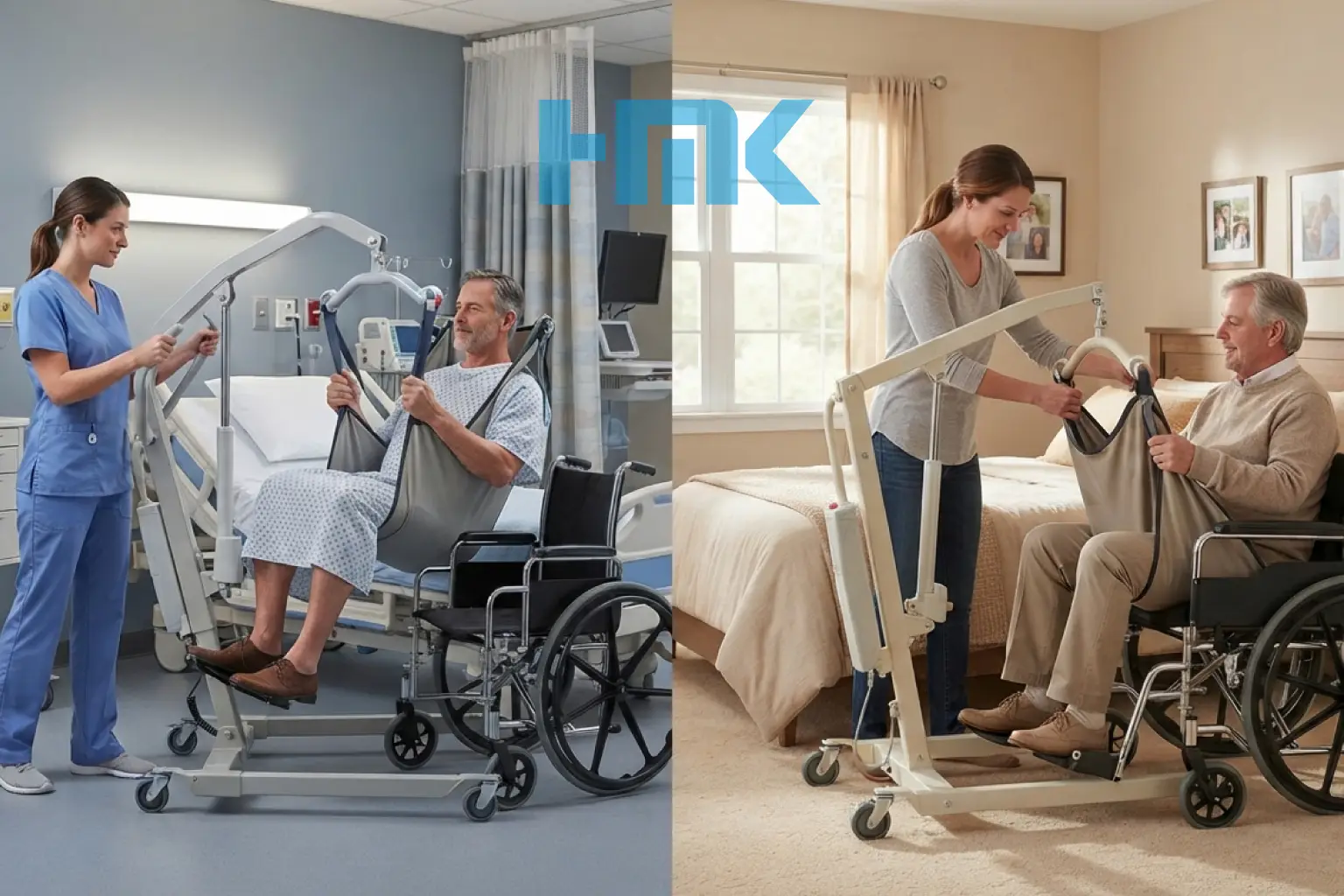
Choosing the right medical equipment is a critical decision for healthcare administrators and family caregivers alike. Among the most vital tools in any mobility-assistance toolkit is the patient lift. These mechanical devices are designed to transfer individuals with limited mobility between surfaces, such as from a bed to a wheelchair or a chair to a commode, reducing the physical strain on caregivers and ensuring the safety of the patient.
While the fundamental mechanics of a patient lift remain similar across various models, the design, durability, and functionality requirements differ significantly depending on whether the device is intended for a high-traffic clinical setting or a private residence. Understanding the nuances between hospital-grade and residential equipment is essential for ensuring long-term safety, efficiency, and comfort.
The Role of a Patient Lift in Modern Care
In both hospitals and homes, the primary goal of a patient lift is to prevent injuries. Manual lifting is one of the leading causes of musculoskeletal disorders among nursing staff and family members. By using a mechanical aid, the weight of the individual is supported by a frame or a track system rather than the caregiver’s back.
Beyond injury prevention, these devices provide a more dignified experience for the individual being moved. Modern lifting systems utilize specialized slings and smooth hydraulic or electric motors to ensure that transfers are gentle and secure, minimizing the risk of falls or skin shearing that can occur during manual handling.
Hospital Patient Lifts
In a clinical environment, such as an acute care hospital or a skilled nursing facility, equipment must be “institutional grade.” This means it is built to withstand 24/7 operation and meet stringent regulatory standards.
1. Durability and High Frequency
A hospital-grade patient lift may be used dozens of times a day across multiple shifts. These units are constructed with heavy-duty materials and reinforced components to handle constant wear and tear. The batteries in electric models are designed for high-capacity cycles, often coming with “swappable” battery packs so the lift is never out of commission while charging.
2. Universal Versatility
Hospitals serve a diverse population. A single unit must be capable of lifting a petite elderly patient one hour and a bariatric patient the next. Therefore, hospital lifts often feature higher weight capacities (ranging from 500 to over 1,000 pounds) and adjustable base widths to accommodate various types of hospital beds and specialized seating.
3. Infection Control
Clinical environments prioritize hygiene. Hospital lifts are designed with smooth, non-porous surfaces and antimicrobial coatings that can withstand frequent disinfection with harsh chemicals. Slings used in hospitals are often “single-patient-use” or made of heavy-duty fabrics that can be laundered at high temperatures to prevent cross-contamination.
4. Advanced Features
Hospital models often include integrated digital scales to weigh patients during transfers, emergency stop buttons, and dual controls (both on the mast and via a handheld remote). Many facilities are also transitioning to ceiling-mounted track systems, which save floor space and allow for seamless room-to-room movement.
Home Patient Lifts
When transitioning to home care, the priorities shift from “universal utility” to “personal suitability.” A patient lift for home use is usually selected for a specific individual, meaning it doesn’t need to be everything to everyone.
1. Maneuverability in Tight Spaces
Unlike wide hospital corridors, homes have narrow doorways, thick carpets, and tight corners. Home-use lifts are generally more compact. Many models feature a “low-profile” base designed to slide under standard home beds, which often have less clearance than adjustable hospital beds.
2. Ease of Storage and Transport
Many families require a lift that can be folded or disassembled for transport in a vehicle or to be tucked away in a closet when guests visit. Portability is a major selling point for residential models, whereas hospital units are typically large and stay on the floor at all times.
3. Cost-Effectiveness
Hospital-grade equipment is an investment in infrastructure, often costing five to ten times more than residential models. For home use, manufacturers offer simplified manual (hydraulic) versions or streamlined electric models that provide essential safety without the expensive “bells and whistles” like integrated scales or advanced telemetry.
4. Aesthetic and Psychological Comfort
Clinical-looking equipment can sometimes make a home feel like a ward. Many residential lifts are designed with softer colors or more streamlined shapes to better blend into a home environment, helping the user feel more like a resident and less like a patient.
How to Use a Patient Lift Safely
Safety is the most important factor in any transfer. Regardless of the model, certain protocols must be followed to ensure a successful move.
Pre-Transfer Inspection
Before every use, the caregiver should inspect the lift. Check the sling for frayed edges, holes, or weakened stitching. Ensure the hooks or clips on the spreader bar are secure. For electric lifts, verify that the battery is sufficiently charged to complete the transfer.
Sling Selection and Placement
Using the wrong size sling is a leading cause of accidents. A sling that is too large can result in the patient slipping out, while one that is too small may cause discomfort or respiratory restriction. The caregiver should ensure the sling is centered under the patient, with the pressure-point-reducing fabric supporting the hips and shoulders.
The Transfer Process
- Explain the Move: Always tell the patient what you are doing to reduce anxiety.
- Clear the Path: Ensure the receiving surface (wheelchair, commode, or bed) is ready and the brakes are locked.
- The “Check Lift”: Raise the patient just a few inches off the surface and pause. Confirm the sling is secure and the patient is comfortable before proceeding.
- Keep Low: During the move, keep the patient at the lowest height possible for safety.
- Never Leave Unattended: Once a patient is in the lift, the caregiver must stay within arm’s reach at all times.
Also Read Using patient lift safely
Conclusion
The decision between a hospital-grade and a home-use patient lift hinges on the balance between industrial durability and domestic practicality. Hospitals require heavy-duty, versatile machines capable of protecting a rotating staff and a diverse patient population. In contrast, home environments benefit from compact, intuitive, and cost-effective designs that prioritize the comfort of a single user and the spatial constraints of a residence.
Regardless of the setting, the goal remains the same: facilitating a safe, dignified, and injury-free transfer. By understanding these key differences and adhering to strict safety protocols, caregivers can provide the highest level of support, ensuring that mobility challenges do not stand in the way of quality care and a high quality of life. Whether you are an administrator equipping a new wing or a family member preparing for a loved one’s return home, choosing the right patient lift is a cornerstone of safe and effective caregiving.
FAQ
1- Can I use a manual hydraulic lift at home, or do I need an electric one?
A manual hydraulic patient lift is effective and more affordable. However, it requires the caregiver to pump a handle to raise the patient. If the caregiver has limited strength or the transfers are frequent, an electric model is highly recommended to prevent caregiver fatigue.
2- Is a ceiling lift better than a floor lift for home use?
Ceiling lifts are excellent for saving space and providing the smoothest transfer. However, they require professional installation and structural reinforcement of the ceiling. Floor lifts are “plug-and-play” and much more mobile, making them the preferred choice for many renters or those on a budget.
3- Does insurance or Medicare cover a patient lift?
In many cases, Medicare Part B covers 80% of the cost of a “patient lift” as Durable Medical Equipment (DME), provided it is deemed medically necessary by a doctor. Specific requirements vary, so it is best to consult with your provider.
4- How often should the slings be replaced?
Slings should be replaced at the first sign of wear. Even without visible damage, many manufacturers recommend replacing slings every 6 to 12 months if they are used daily and laundered frequently, as the fibers can weaken over time.
Hamyar Mechanic Koosha Editorial Team
Specialized content team in biomedical engineering and rehabilitation
Hamyar’s editorial team consists of biomedical engineering experts who provide practical, technical content in plain language to raise public awareness.
Related Articles
No articles found.