
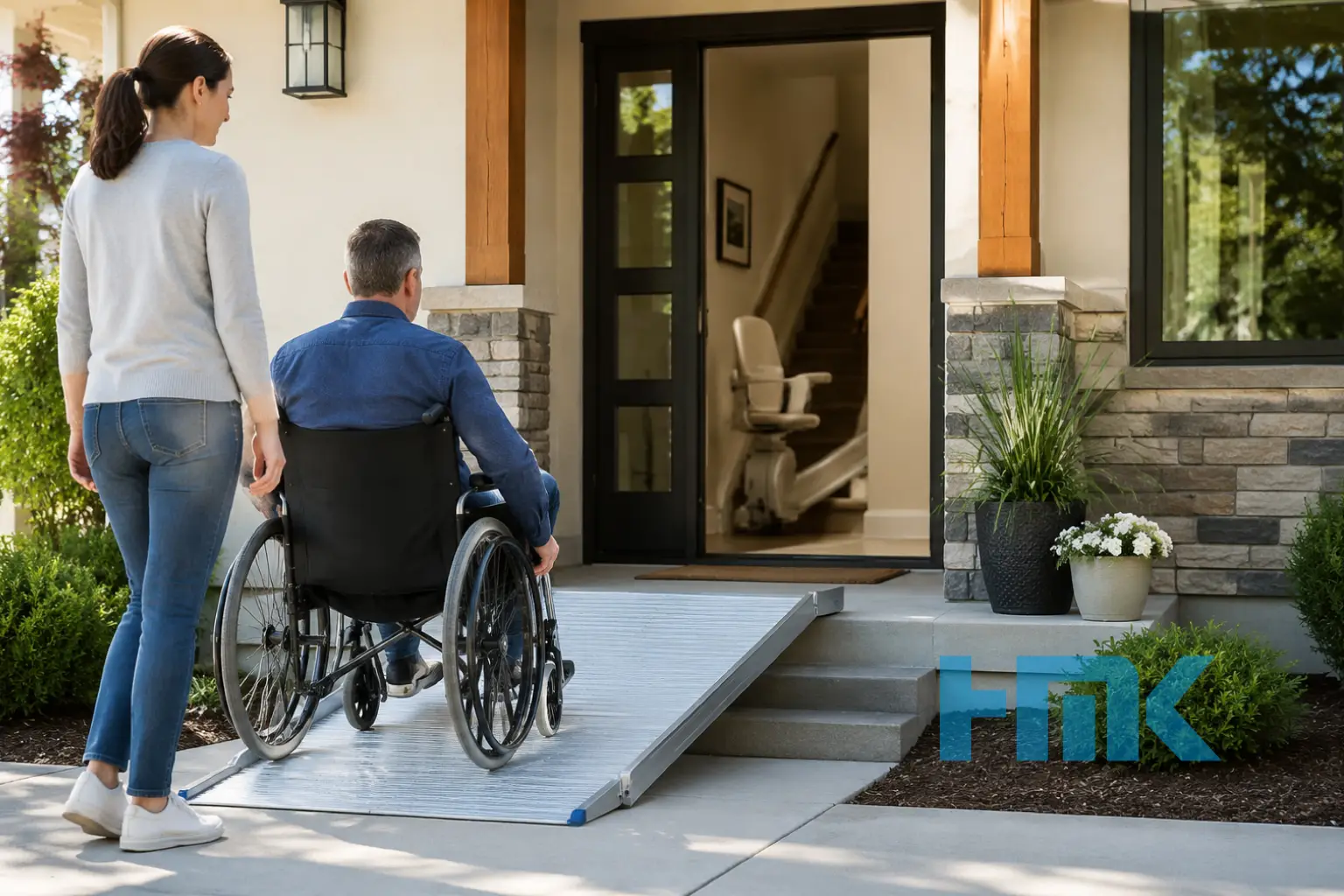
Accessibility is a crucial part of creating inclusive homes, businesses, and public spaces. For individuals who use mobility aids such as wheelchairs, mobility scooters, walkers, or rollators, navigating steps and raised entryways can be a daily challenge. One of the most practical solutions to this problem is a wheelchair ramp, particularly portable wheelchair ramps, which offer flexibility, convenience, and affordability.
While permanent ramps and stairlifts are popular accessibility upgrades, portable ramps fill an important gap by providing temporary or movable access where structural modifications may not be possible. Understanding the advantages, use cases, and limitations of portable wheelchair ramps can help families, caregivers, and property owners choose the right accessibility solution.
This article explores the benefits, uses, and situations where a portable wheelchair ramp may be the best option compared to other mobility solutions like a stairlift.
What is a Portable Wheelchair Ramp
A portable wheelchair ramp is a lightweight, movable ramp designed to help wheelchair users safely navigate steps, thresholds, and uneven surfaces. Unlike permanent ramps that are fixed to a building, portable ramps can be easily transported, stored, or repositioned.
They are commonly made from materials such as:
- Aluminum
- Fiberglass
- Lightweight steel
- Durable composite materials
Most portable ramps are designed with non slip surfaces, safety edges, and folding mechanisms for easy transport.
Portable wheelchair ramps come in several styles, including:
- Folding ramps that collapse for easy storage
- Telescoping ramps that extend and retract
- Threshold ramps for small door or curb height differences
- Multi-fold ramps that fold into compact shapes for travel
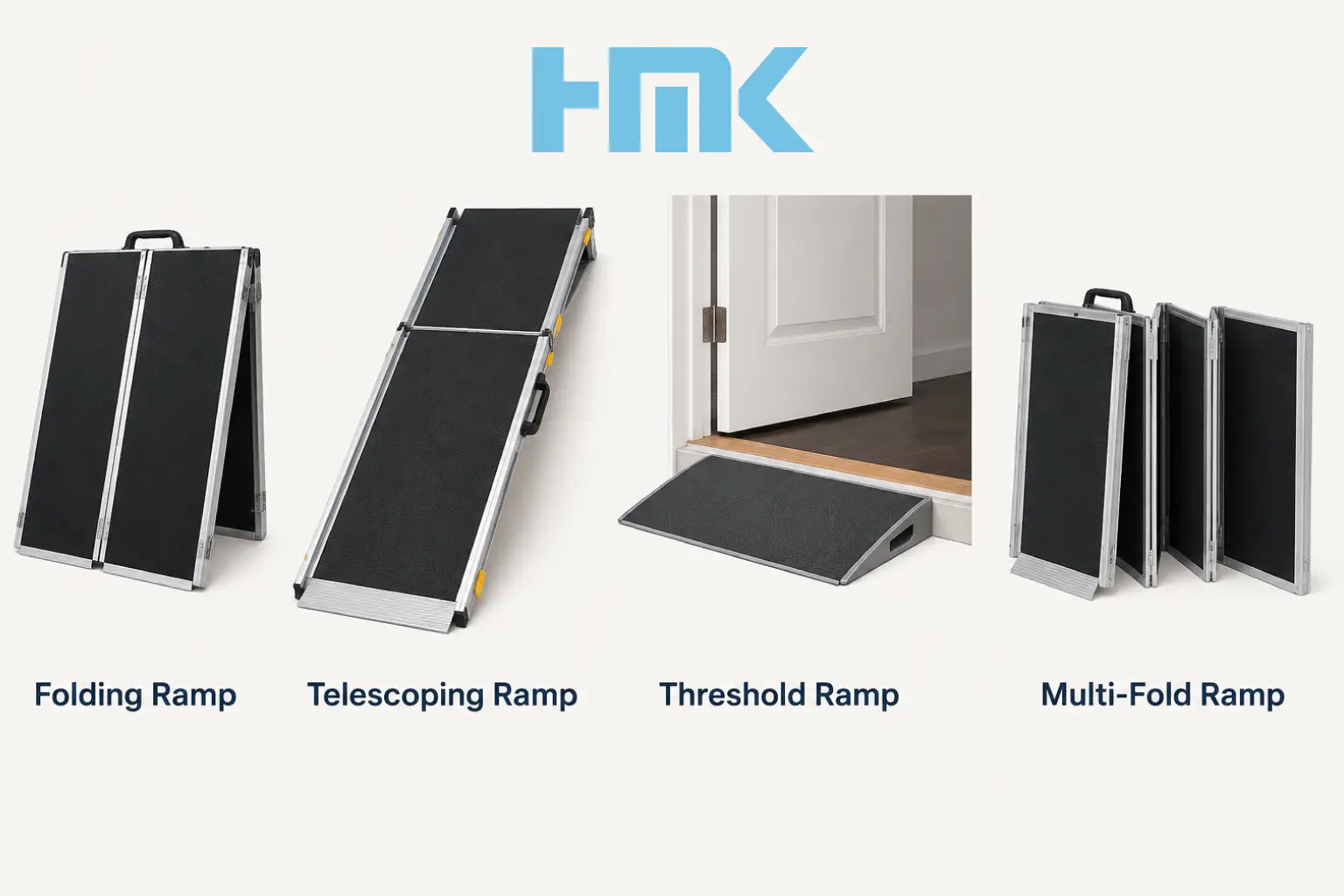
These ramps are widely used in homes, vehicles, businesses, and public spaces where quick accessibility solutions are needed.
Benefits of Portable Wheelchair Ramps
Portable ramps offer several advantages that make them a popular accessibility tool for wheelchair users and caregivers.
1. Flexibility and Mobility
One of the greatest benefits of a portable wheelchair ramp is its flexibility. Because it is not permanently installed, the ramp can be used in multiple locations.
For example, a single ramp can help someone:
- Enter their home
- Access a porch or patio
- Load a wheelchair into a vehicle
- Navigate steps when visiting friends or family
This adaptability makes portable ramps extremely useful for individuals who frequently travel or move between locations.
2. Easy Installation
Permanent accessibility solutions often require construction work, permits, or professional installation. Portable ramps, on the other hand, usually require no installation at all.
Most models simply need to be placed against a step or doorway, making them ready for immediate use. This simplicity makes portable ramps ideal for temporary situations or rental properties where structural changes may not be allowed.
3. Cost-Effective Accessibility
Compared to major accessibility renovations or installing a stairlift, portable wheelchair ramps are generally much more affordable.
While the cost of stairlifts can range from several thousand dollars depending on the staircase configuration, portable ramps are available in a wide range of price points depending on length and material.
This makes them a practical option for families who need a quick mobility solution without committing to expensive home modifications.
4. Lightweight and Transportable
Many modern ramps are designed to be lightweight yet strong enough to support wheelchairs and mobility scooters. Aluminum ramps, for example, provide excellent durability without adding excessive weight.
Foldable designs allow users or caregivers to carry the ramp in a vehicle trunk or store it easily when not in use.
This portability makes ramps useful not only at home but also during travel.
5. Improved Safety and Independence
Accessible entryways help wheelchair users maintain independence and reduce reliance on assistance.
Portable ramps often include:
- Anti-slip surfaces
- Raised side rails or curbs
- High weight capacities
- Stable hinge mechanisms
These safety features reduce the risk of slips or falls while navigating steps.
Common Uses for Portable Ramps
Portable wheelchair ramps can solve many accessibility challenges in everyday environments.
Home Entryways
Many homes have one or two steps at the entrance that can make wheelchair access difficult. Portable ramps provide a quick solution without requiring permanent remodeling.
They can be used for:
- Front door access
- Garage entrances
- Patio doors
- Backyard decks
For homeowners who are unsure about installing permanent ramps, portable models provide a flexible starting point.
Vehicle Access
Wheelchair users often need help loading mobility equipment into vans, SUVs, or trucks. Portable ramps are commonly used to bridge the gap between the ground and the vehicle.
Some ramps are specifically designed for vehicle loading and include features like:
- Adjustable lengths
- High traction surfaces
- Compact folding designs
These ramps make transporting wheelchairs or scooters much easier.
Temporary Accessibility at Events
Portable ramps are frequently used for temporary accessibility at:
- Community events
- Conferences
- Outdoor festivals
- Weddings
- Pop-up businesses
Event organizers can quickly create wheelchair access without building permanent structures.
Business and Retail Access
Small businesses sometimes face accessibility challenges due to older building designs. Portable ramps can help businesses provide ADA-friendly entry without major renovations.
For example, a ramp can be placed over a step at a storefront entrance when needed.
Travel and Public Spaces
Portable ramps are useful when visiting places that may not have built-in accessibility features.
They can help users navigate:
- Small curbs
- Door thresholds
- Hotel entrances
- Older buildings
For frequent travelers, compact folding ramps are especially useful.
Portable Wheelchair Ramp vs Stairlift
Both portable ramp and stairlift are designed to improve mobility and accessibility, but they serve different purposes.
When a Wheelchair Ramp Is the Better Option
A portable wheelchair ramp is often the best choice when:
- There are only one or two steps to overcome
- Temporary accessibility is needed
- Structural modifications are not allowed
- Mobility equipment must remain in use (wheelchair or scooter)
- The solution needs to be portable or movable
Ramps allow wheelchair users to remain in their mobility device while navigating the elevation change.
When a Stairlift May Be More Appropriate
A stairlift is often better suited for situations where:
- The staircase is long or steep
- Multiple steps make a ramp impractical
- The user can transfer from a wheelchair to a seat
- Indoor accessibility between floors is required
Stairlifts are mechanical chairs attached to a rail system along the staircase, allowing users to ride safely up or down the stairs.
For multi-story homes, stairlifts may provide a more practical solution than extremely long ramps.
Using Both Solutions Together
In many homes, accessibility solutions are combined.
For example:
- A wheelchair ramp may provide access to the home entrance
- A stairlift may help navigate indoor staircases
This layered approach ensures accessibility throughout the property.
Choosing the Right Portable Ramp
Selecting the correct ramp requires consideration of several factors.
Ramp Length
The length of the ramp should match the height of the step or obstacle. A gradual slope is important for safety and ease of use.
Accessibility guidelines often recommend a slope ratio of approximately 1:12, meaning one inch of rise requires about one foot of ramp length.
Weight Capacity
Different ramps support different weight limits. Make sure the ramp can safely support:
- The wheelchair
- The user
- Any additional equipment
Many ramps support between 600 and 800 pounds.
Material
Common materials include:
- Aluminum (lightweight and rust-resistant)
- Steel (very durable but heavier)
- Composite materials (good traction and durability)
Aluminum ramps are the most common choice for portable use.
Surface Traction
Look for non-slip surfaces that provide grip even in wet conditions.
Textured aluminum surfaces or anti-slip coatings are particularly helpful for outdoor use.
Portability Features
Consider ramps that include:
- Folding hinges
- Carry handles
- Compact storage design
These features make transporting the ramp easier.
Safety Tips for Using Portable Ramps
To ensure safe use, keep the following practices in mind:
- Always place the ramp on stable, level ground
- Ensure the ramp is securely positioned before use
- Avoid using ramps that are too steep
- Check the ramp’s weight capacity
- Inspect the ramp regularly for damage or wear
Proper positioning and maintenance can significantly improve ramp safety.
Conclusion
Portable wheelchair ramps play a vital role in improving accessibility and mobility for people who rely on wheelchairs and other mobility aids. Their portability, affordability, and ease of use make them a practical solution for homes, businesses, vehicles, and travel situations.
While permanent ramps and stairlifts are valuable long-term accessibility solutions, portable ramps provide flexibility where structural changes may not be possible or necessary. They allow wheelchair users to navigate steps safely while maintaining independence and convenience.
By understanding the different ramp types, proper sizing, and safety considerations, individuals and caregivers can choose the best accessibility solution for their specific needs. Whether used temporarily or as part of a broader mobility plan, portable wheelchair ramps help create more inclusive and accessible environments for everyone.
FAQ
1- Are portable wheelchair ramps safe?
Yes, portable wheelchair ramps are safe when used correctly. High-quality ramps are designed with anti-slip surfaces, safety edges, and strong materials that support significant weight.
2- How long should a wheelchair ramp be?
Ramp length depends on the height of the step or obstacle. A common guideline is a 1:12 ratio, meaning a 6-inch step would require about a 6-foot ramp for comfortable use.
3- Can portable ramps be used indoors?
Yes. Portable ramps are often used indoors to navigate thresholds, small steps, or raised flooring between rooms.
4- Are portable ramps better than stairlifts?
Neither option is universally better—they serve different needs. A wheelchair ramp is ideal for small elevation changes where users remain in their wheelchair. A stairlift is better suited for long staircases or multi-floor homes.
5- Can businesses use portable wheelchair ramps?
Yes. Many businesses use portable ramps to provide accessibility at entrances, especially in older buildings where permanent ramp installation may be difficult.
6- Do portable wheelchair ramps require maintenance?
Maintenance is minimal but important. Regularly check for loose hinges, surface wear, and structural damage to ensure the ramp remains safe to use.
Hamyar Mechanic Koosha Editorial Team
Specialized content team in biomedical engineering and rehabilitation
Hamyar’s editorial team consists of biomedical engineering experts who provide practical, technical content in plain language to raise public awareness.
Related Articles
No articles found.