
Wheelchair and mobility-scooter users
Provide wheel width, ground clearance, combined load and your device’s slope limits.
Measure the rise—and the space available for the route.
A portable folding ramp is assessed as an inclined route across a defined level change. Its length, width, load and supports must match the site and the mobility device.
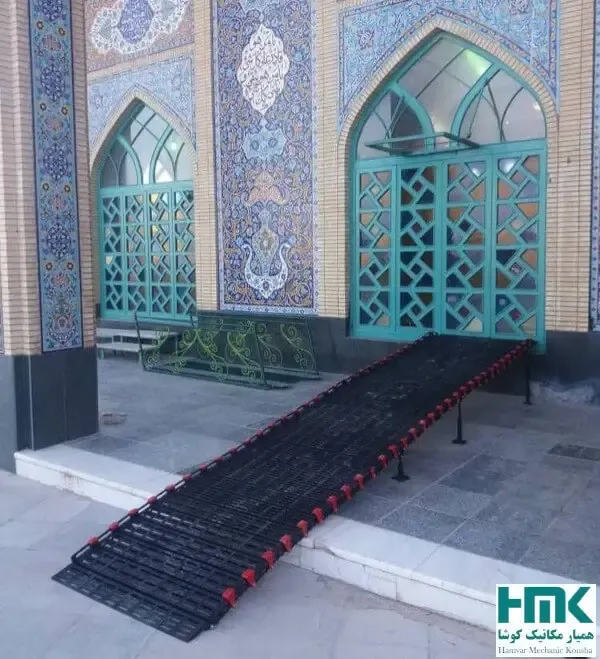 Image unavailable. Contact us to see this product.
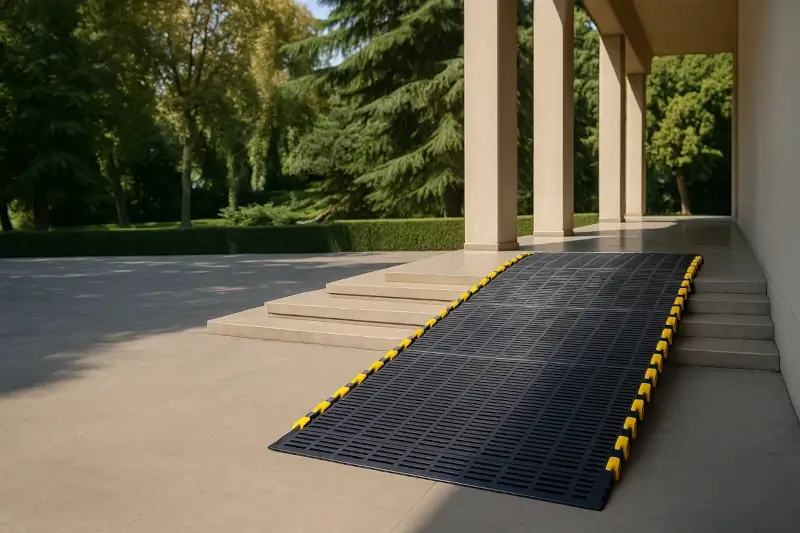 Image unavailable. Contact us to see this product.
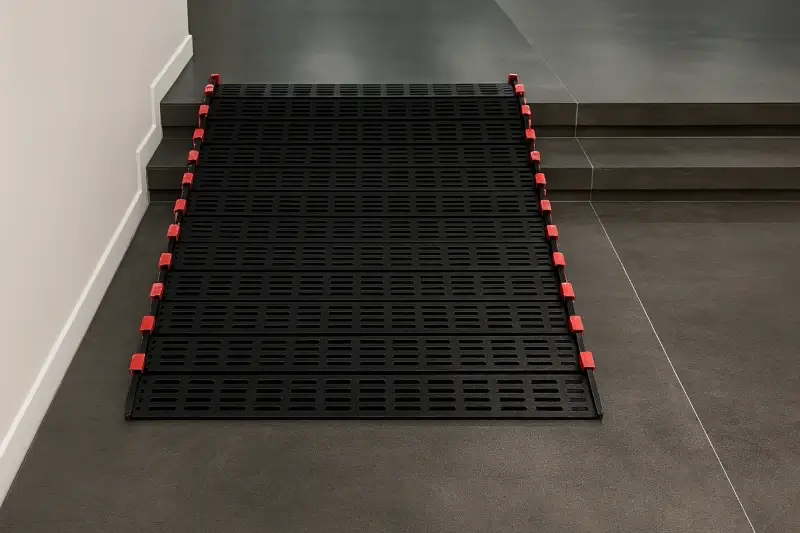 Image unavailable. Contact us to see this product.
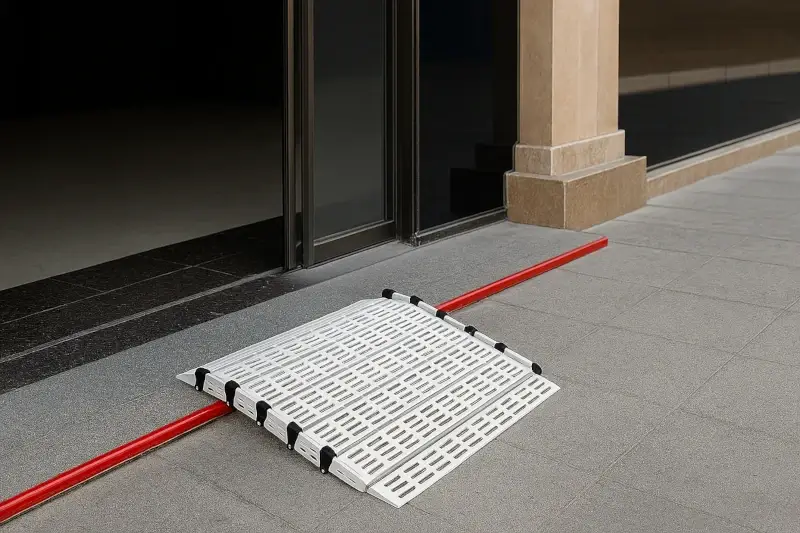 Image unavailable. Contact us to see this product.
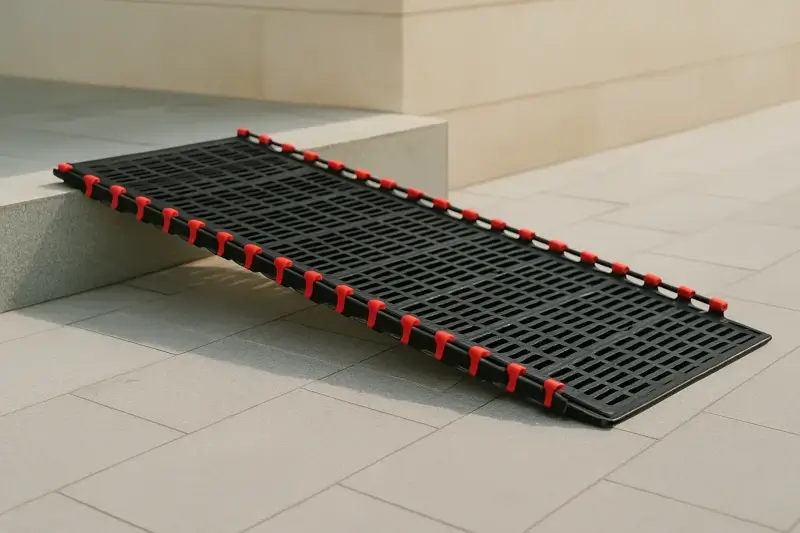 Image unavailable. Contact us to see this product.
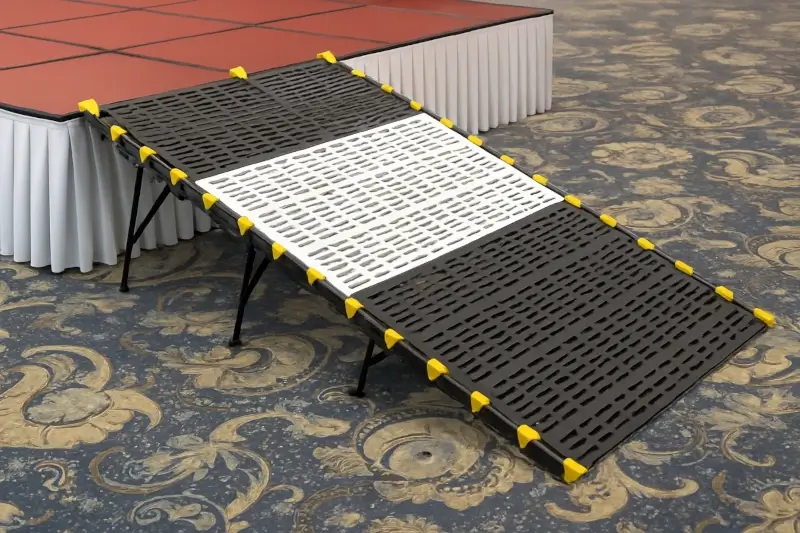 Image unavailable. Contact us to see this product.
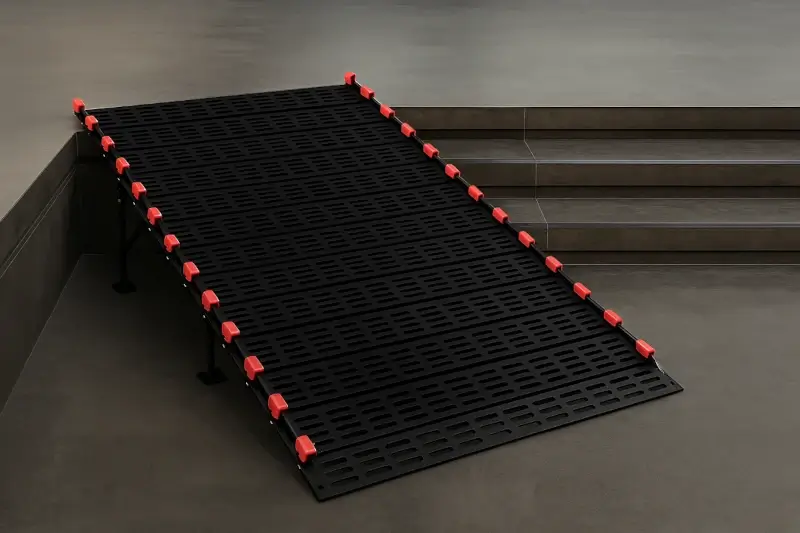 Image unavailable. Contact us to see this product.
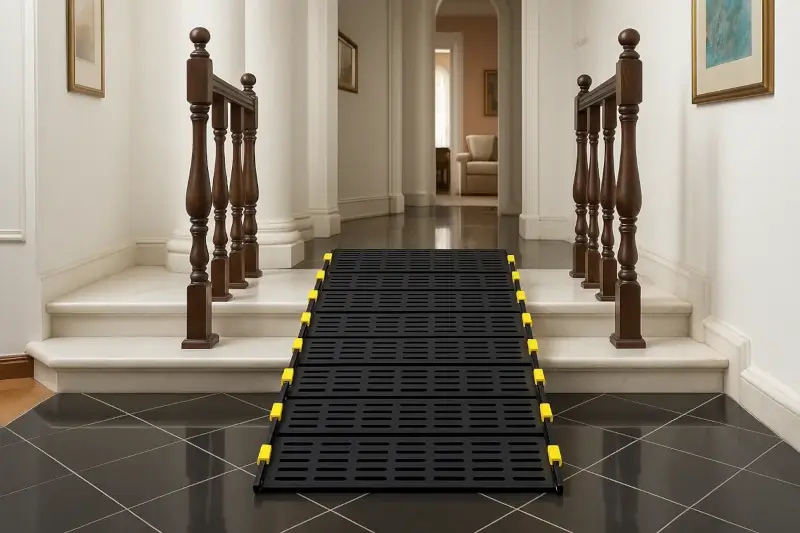 Image unavailable. Contact us to see this product.
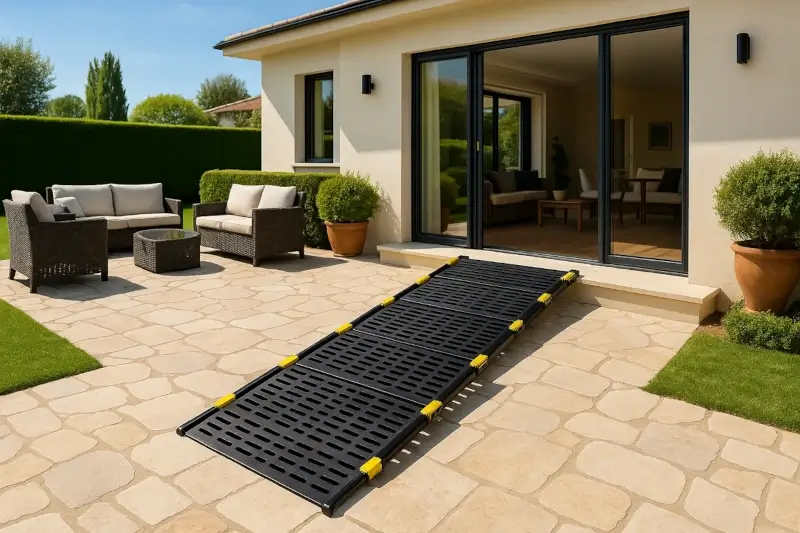 Image unavailable. Contact us to see this product.
View details
Product introduction images. Confirm the ordered configuration against the technical proposal.
Provide wheel width, ground clearance, combined load and your device’s slope limits.
Assess carrying, assistance during crossing and storage; appearance does not establish manageable weight.
Include the entrance, door swing and pedestrian route, with responsibility for setup and removal.
Record stage levels and access routes before the event and review use with the technical lead.
Measuring rise and route space helps relate the choice to the site.
Match folded dimensions, weight and handling points to the person moving it.
Ramp and mobility device need compatible load, width and operating limits.
Check supports, locks and crossing surface under the instructions while considering other users.
A step, doorway threshold or platform edge can interrupt wheelchair access. A ramp is one possible inclined route across the barrier. Rise alone does not determine selection: there must be room for the ramp and landings, and the mobility device must be able to approach it. Door movement, turns and other people’s passage are part of the plan.
Portability does not make one ramp suitable everywhere. A ramp selected for one entrance may have the wrong length, width or support arrangement elsewhere. List intended locations and provide separate measurements for each. If it must be moved daily, equipment weight and folded dimensions matter as much as the crossing specifications.
Confirm the model, included items and installation or delivery costs in the order proposal.
Request a quote for my requirementsDescribe each location using vertical rise, available route length and support surface. If the ramp will move between home and work, assess both sites. Temporary use still requires correct setup: do not simply rest it on an edge that appears to fit. The model instructions must establish securing and support requirements.
Match usable width to the device and crossing method. Footrests, ground clearance and transitions at both ends matter too. Include the person, mobility device and equipment in the load assessment, and clarify whether an attendant may be on the ramp. Manual wheelchairs, powered chairs, scooters and walkers are not automatically interchangeable applications; both ramp and device limits apply.
Ask about unfolded and folded dimensions, section weights and opening or locking procedures. Measure the carrying route, vehicle storage or cupboard. The responsible person must be able to handle it as instructed; “portable” does not establish how many people are needed. For repeated use, plan checks of hinges, locks, crossing surface and supports, and withdraw a damaged ramp from use.
Listings may state load or length without the conditions of use. Compare exact model, usable width, weight, permitted applications, documentation and warranty terms. Similar photographs do not establish technical compatibility or authenticity. Distinguish a section price from a complete assembly or installation price. Obtain the order specification, included items and return terms in writing before payment.
Measure rise vertically and record clear space before and after the barrier. For a given rise, a longer route can provide a gentler slope, but selection must match ramp instructions, mobility-device limits, user needs and site requirements. A general ratio or experience elsewhere is not a site-specific approval. If there is insufficient run and landing space, assess a different layout or access solution.
Document rated load under stated conditions, length, usable width, folded dimensions, weight and securing method. Assess the supporting surface and whether either support can move. A textured surface does not establish permission to cross in rain, ice or contamination. Follow environmental limits and do not improvise supports or extensions.
A portable ramp needs setup responsibility, storage and checks at each use. For frequent or continuous access, a permanent route may merit assessment but has its own design requirements. A vertical platform lift is another option for some level changes, requiring maintenance and landing space. Compare the whole user journey and operating responsibilities, not just purchase cost.
Provide length, width, model, section count and confirmed items when requesting a quote. A generic fixed or per-metre price is insufficient without a complete specification. Before crossing, check setup and locks as instructed and keep approaches clear. Agree assistance, crossing method and maintenance with the assessor. Obtain warranty, parts and delivery terms for the actual order.
Provide vertical rise, available run, route width, mobility device and combined load, plus daily carrying needs.
Review the model, environment and user needs with a competent assessor.
Clarify the model, included items, preparation, costs and service terms before ordering.
Request operation checks, the model manual, user training and a maintenance plan at handover.
Explore questions about choosing, using and maintaining this product.
No matching questions. Try another term or contact us.
Demonstrated conditions may differ from your site. Confirm specifications and operation for the ordered model.
Provide vertical rise, available run, route width, mobility device and combined load, plus daily carrying needs.
More ways to improve accessibility
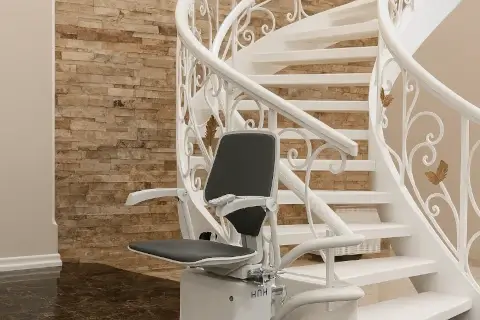
A stairlift travels along the staircase. Rail layout, landing space and the user’s needs must be assessed together to create a usable journey.
View details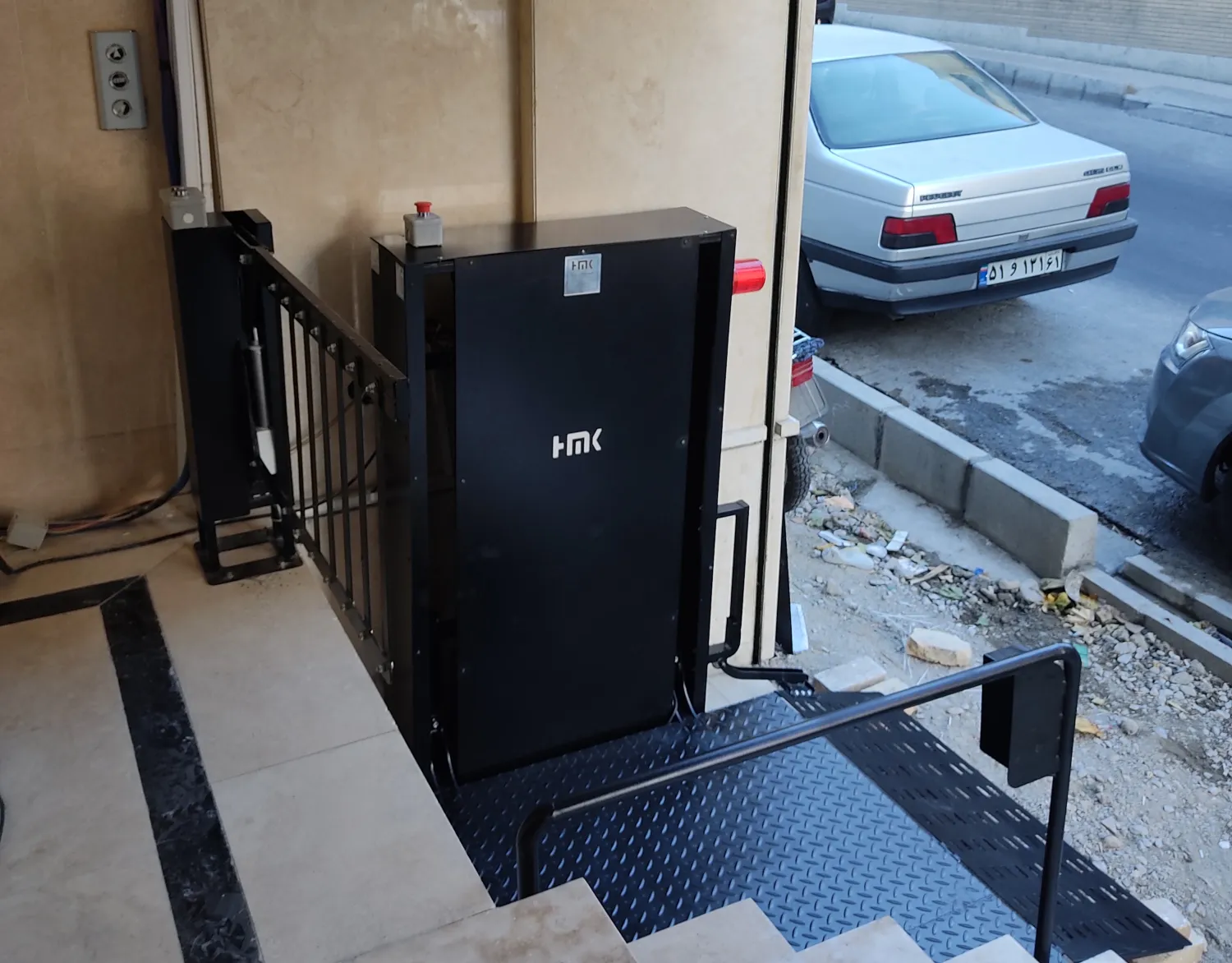
A vertical platform lift is an option for access between different levels. The platform, surrounding space, travel and protection of the route need a...
View details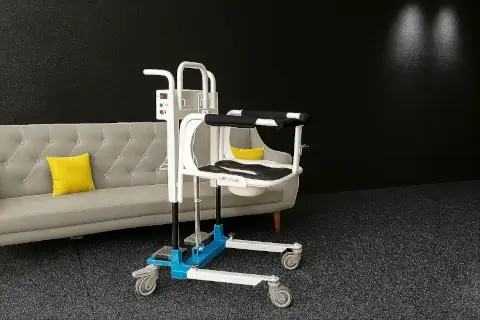
A portable toilet lift chair is considered for assisted movement and toilet access. Assess the seat, toilet arrangement, environment and individual ne...
View detailsProvide vertical rise, available run, route width, mobility device and combined load, plus daily carrying needs.
+98 21 9100 3555
Your product review
Share your experience or ask a question.
Leave a comment
No published reviews yet. Be the first to share your experience.