

For many people with mobility challenges, a stairlift provides independence, safety, and the ability to continue living comfortably in a multi level home. Whether installed for aging in place, recovery after surgery, or long term mobility limitations, a stairlift can transform daily life by removing the obstacle of stairs.
One of the most common questions homeowners ask before installing one is: How long do stairlifts last? Like any mechanical device, stairlifts have a finite lifespan. However, with proper maintenance and careful use, many units can remain reliable for well over a decade.
In this guide, we’ll explore the typical lifespan of a stairlift, the factors that influence durability, signs that it may be time for a replacement, and practical tips to help your system last as long as possible.
Average Lifespan of a Stairlift
Most modern stairlifts last 10 to 15 years with regular use and proper maintenance. High quality models from reputable manufacturers can sometimes last 20 years or more, particularly when they are well cared for and used under normal household conditions.
The lifespan of a stairlift depends largely on several variables:
- Build quality and brand reputation
- Frequency of use
- Proper installation
- Regular servicing and maintenance
- Environmental conditions in the home
A stairlift that operates several times per day on a straight staircase may last longer than one installed on a complex curved staircase that experiences heavier use.
Key Components in Stairlift
Understanding how a stairlift works helps explain why some units last longer than others. A stairlift system includes several essential parts that wear over time.
Motor and Drive System
The motor powers the chair along the rail. High quality motors are designed to run for thousands of cycles. Over time, however, components inside the drive system can wear down, especially in households with frequent daily use.
Battery and Charging System
Most modern stairlifts are battery powered, even though they remain plugged into a household outlet. The battery allows the lift to operate during a power outage.
Stairlift batteries typically last 3 to 5 years before they need replacement. Fortunately, replacing the battery is relatively inexpensive compared with replacing the entire unit.
Track or Rail System
The rail mounted along the staircase guides the lift’s movement. Rails are extremely durable and rarely need replacement unless they are damaged or removed during renovations. Curved rails are custom built and more complex than straight ones, but they can still last for many years.
Seat and Safety Features
The chair, seatbelt, swivel mechanism, and safety sensors also experience wear. Upholstery, armrests, and footrests may show cosmetic aging over time, but these parts are usually replaceable without replacing the entire lift.
Factors That Influence Stairlift Longetivity
Several factors determine whether a stairlift will last closer to 10 years or exceed 15–20 years.
Quality of the Equipment
Not all stairlifts are created equal. Premium models often include:
- More durable motors
- Higher grade rails and components
- Advanced safety features
- Better warranty coverage
Investing in a reliable brand often leads to fewer repairs and a longer overall lifespan.
Frequency of Use
A stairlift used several times per day will experience more wear than one used occasionally. In households with multiple users or caregivers operating the lift frequently, parts may need servicing sooner.
Proper Installation
Professional installation ensures that the rail alignment, electrical connections, and safety sensors function correctly. Poor installation can create strain on the motor and mechanical parts, shortening the lift’s lifespan.
Routine Maintenance
Like any mechanical mobility equipment, stairlifts benefit from periodic inspection. Stairlift maintenance typically includes:
- Checking track alignment
- Lubricating moving parts
- Inspecting safety sensors
- Testing battery performance
Annual servicing helps prevent small issues from turning into costly repairs.
Environmental Conditions
Temperature, humidity, and dust can influence mechanical components. Indoor stairlifts usually last longer because they are protected from weather exposure. Outdoor stairlifts require weather resistant materials and protective covers.
Signs Your Stairlift May Need Replacement
Even the best stairlift will eventually reach a point where replacement is more practical than repair. Recognizing the early warning signs can help avoid unexpected breakdowns.
Frequent Repairs
If the lift requires frequent service calls or repeated part replacements, the cost of maintenance may exceed the value of keeping the old system.
Unusual Noises
Grinding, clicking, or excessive vibration may indicate motor or gearbox wear. While minor noises can sometimes be repaired, persistent mechanical sounds may signal aging components.
Slower or Jerky Movement
A stairlift should move smoothly and consistently along the rail. If it begins to stop abruptly, move unevenly, or struggle on inclines, the drive system may be wearing out.
Battery Problems
Repeated battery failures or poor charging performance may indicate electrical issues or an aging control system.
Outdated Safety Features
Older stairlifts may lack modern safety technologies such as advanced obstruction sensors or improved seatbelt systems. In these cases, upgrading to a newer model may improve both safety and comfort.
When Repair Makes More Sense
Not every issue requires a new stairlift. Many problems can be resolved quickly and affordably.
Consider repairing your stairlift if:
- The unit is less than 10 years old
- The issue involves the battery or charger
- Only minor parts such as switches or seat components need replacement
- The rail and motor remain in good condition
A qualified technician can inspect the lift and recommend whether repair or replacement is the better option.
Tips to Extend the Life of Your Stairlift
Proper care can significantly increase the lifespan of a stairlift. Here are some practical steps homeowners can take.
Schedule Regular Servicing
Professional maintenance once a year keeps components functioning smoothly and identifies potential problems early.
Keep the Track Clean
Dust, pet hair, and debris can accumulate on the rail. Wiping the track periodically helps ensure smooth operation.
Charge the Battery Properly
Always park the lift at the designated charging point when not in use. This helps maintain battery health and prevents premature failure.
Avoid Overloading the Lift
Every stairlift has a maximum weight capacity. Staying within recommended limits prevents strain on the motor and rail system.
Use the Lift Smoothly
Avoid sudden stops or misuse of controls. Operating the lift gently reduces wear on mechanical components.
Should You Replace or Upgrade?
Sometimes homeowners choose to replace a stairlift even if it still works. Reasons for upgrading include:
- Improved comfort and seat design
- Quieter operation
- Better energy efficiency
- New safety technology
- Remote control and smart features
Modern stairlift models are often more compact and visually appealing than older units, making them a worthwhile upgrade in some homes.
Buying a Replacement Stairlift
If replacement becomes necessary, several factors should guide your decision.
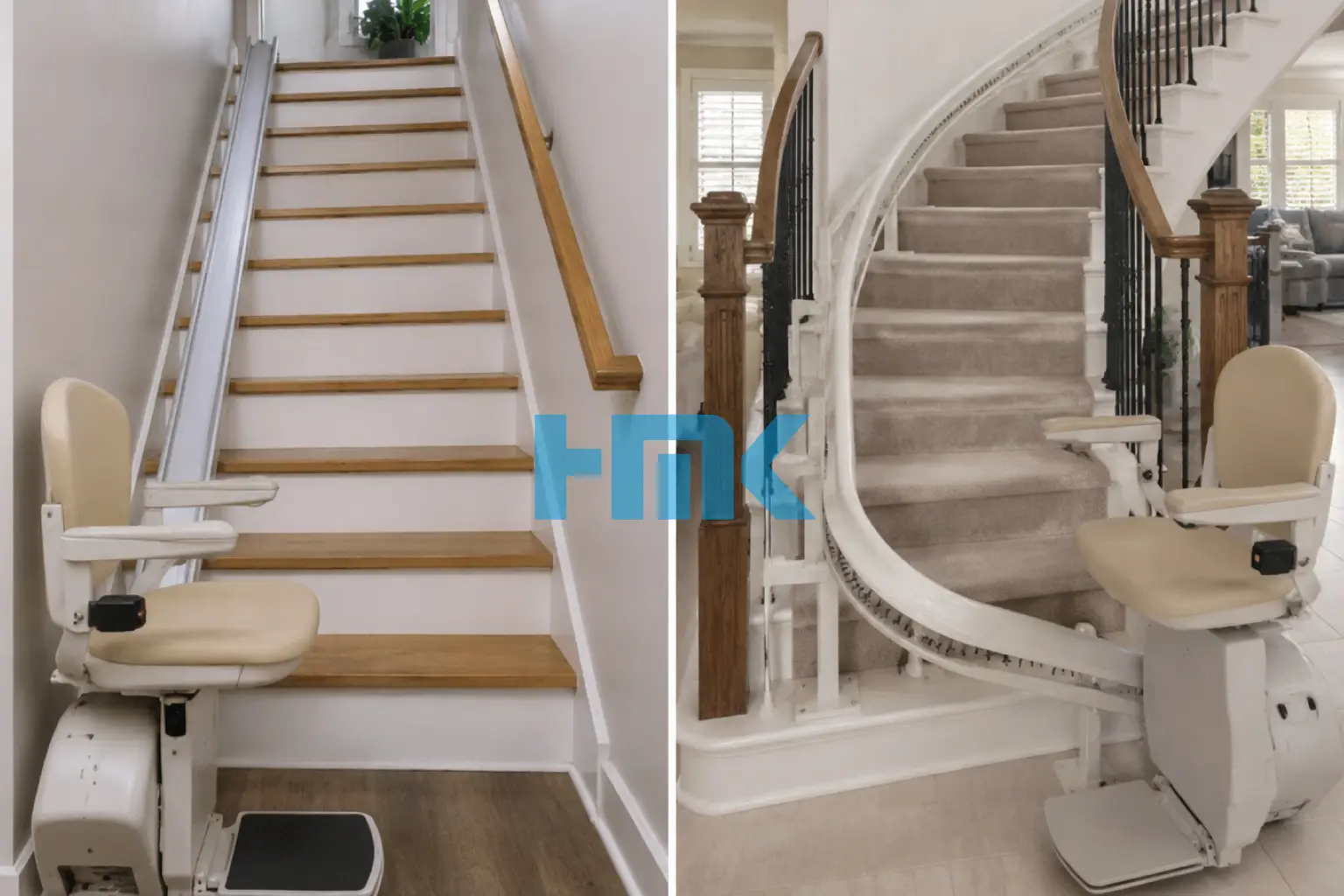
Type of Staircase
There are two primary stairlift types:
- Straight stairlifts for simple staircases without turns
- Curved stairlifts designed for stairs with landings or bends
Curved models require custom rails and tend to be more expensive.
Weight Capacity
Heavy duty stairlifts are available for users who need higher weight limits or wider seats.
Warranty Coverage
Look for manufacturers that offer strong warranties on both parts and labor. This can provide peace of mind and protect your investment.
Dealer Reputation
Choose an experienced installer with positive reviews and reliable service support.
Conclusion
A stairlift is an essential mobility solution that can greatly improve safety and independence in a multi level home. While the average stairlift lasts between 10 and 15 years, proper maintenance, quality equipment, and careful use can extend its lifespan significantly.
Understanding the components that affect durability, recognizing early warning signs of wear, and scheduling regular servicing can help keep your stairlift operating smoothly for many years. When the time eventually comes for replacement, modern stairlift models offer improved comfort, enhanced safety features, and quieter performance.
By choosing a reputable brand and maintaining the system properly, homeowners can ensure their stairlift remains a reliable part of daily life for as long as possible.
FAQ
1- How many years does a stairlift typically last?
Most stairlifts last 10 to 15 years, though high quality models with good maintenance can last up to 20 years or longer.
2- How often should a stairlift be serviced?
It’s generally recommended to schedule professional servicing once per year. Homes with heavy daily use may benefit from more frequent inspections.
3- Can a stairlift battery be replaced?
Yes. Stairlift batteries typically need replacement every 3 to 5 years, and this is one of the most common maintenance tasks.
4- Are stairlifts difficult to maintain?
No. Routine maintenance is relatively simple and usually handled by a technician during annual service visits. Homeowners mainly need to keep the track clean and ensure the lift stays charged.
5- Is it better to repair or replace an old stairlift?
If the unit is under 10 years old and the issue is minor, repair is usually the best option. For older units requiring repeated repairs, replacement may be more cost effective.
6- Can a stairlift be moved to another home?
Straight stairlifts can sometimes be relocated and adjusted for a new staircase. Curved stairlifts are typically custom built and harder to reuse in another home.
Hamyar Mechanic Koosha Editorial Team
Specialized content team in biomedical engineering and rehabilitation
Hamyar’s editorial team consists of biomedical engineering experts who provide practical, technical content in plain language to raise public awareness.
Related Articles
No articles found.