
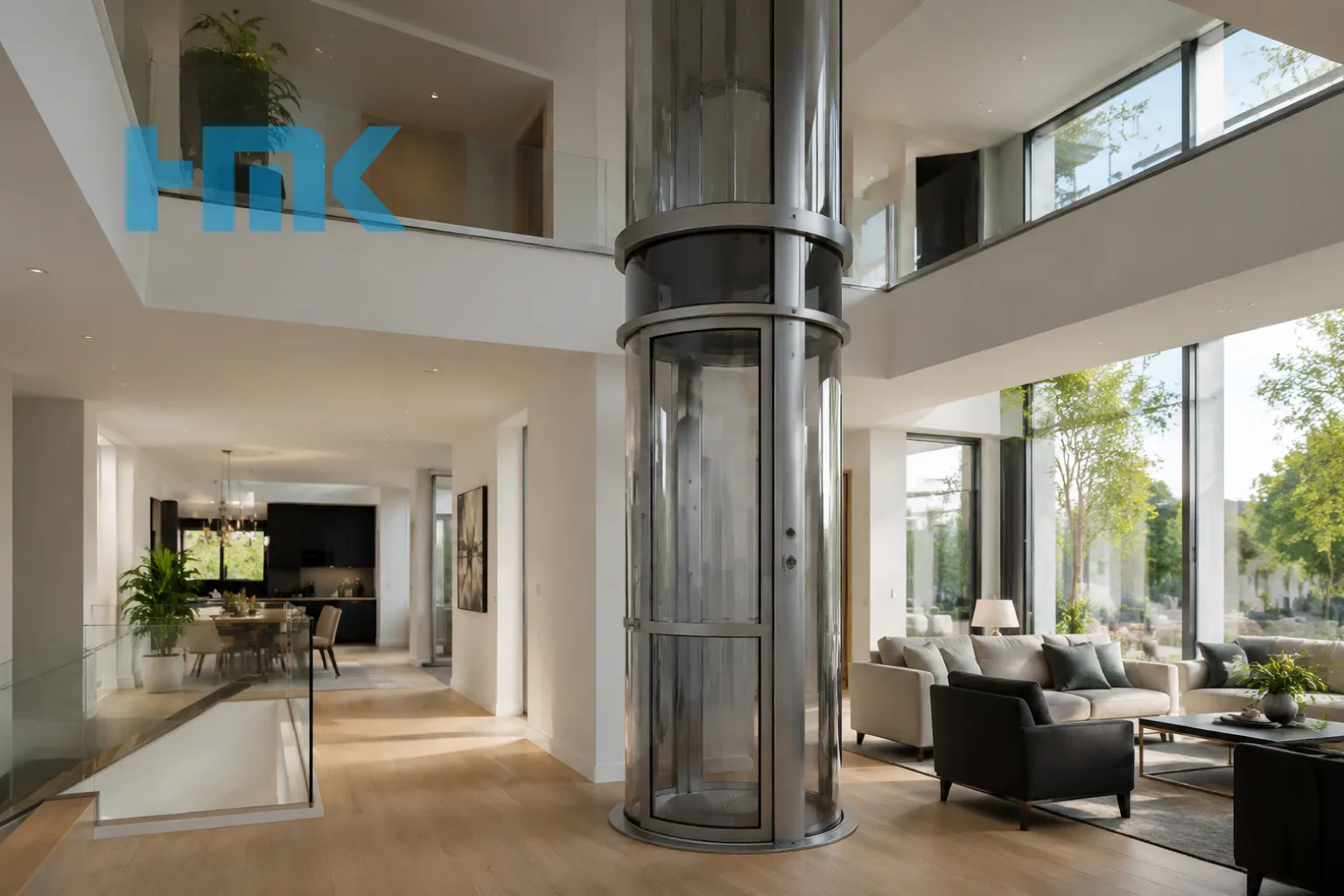
Choosing the right home lift can make a major difference in comfort, accessibility, and long-term property value. For homeowners who want a compact, modern, and relatively low-impact mobility solution, vacuum home lifts have become an increasingly attractive option. They stand out from many traditional residential elevators because they use air pressure rather than cables, counterweights, or hydraulic systems to move the cab between floors.
If you are exploring lift solutions for a private residence, it is worth understanding how vacuum models work, where they perform best, and how they compare with other residential elevator systems. This guide explains the technology behind vacuum home lifts, their advantages and limitations, and the situations where they are the best fit.
What Is a Vacuum Home Lift?
A vacuum home lift is a type of pneumatic residential elevator that travels inside a vertical cylindrical shaft. Instead of relying on a machine room, heavy pit, or complex structural changes, it moves using controlled differences in air pressure above and below the lift cab.
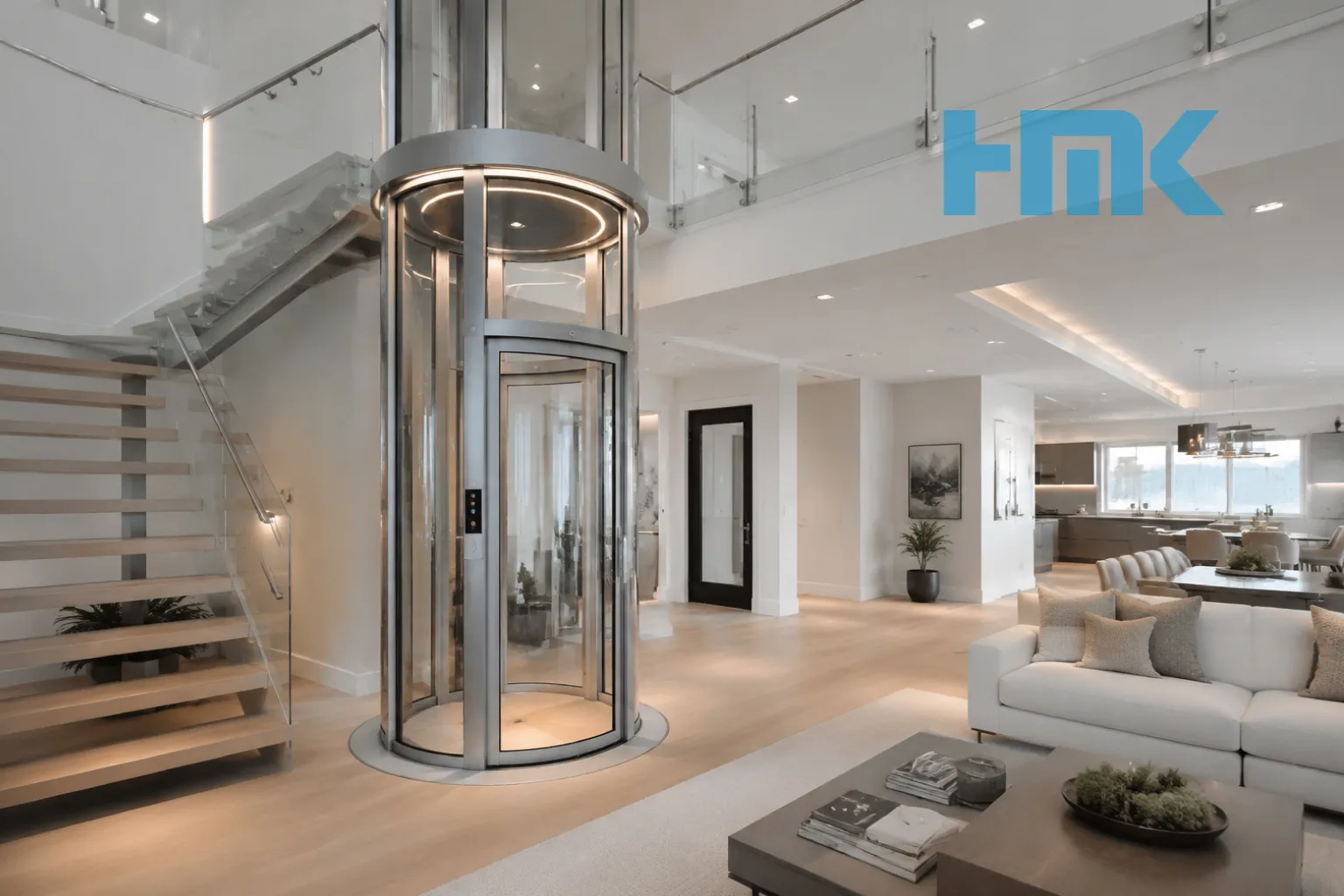
This type of home lift is often recognized for its transparent or semi-transparent tube design, compact footprint, and sleek appearance. It is commonly installed in existing homes as well as new builds where space is limited and where homeowners want a lift that is both practical and visually distinctive.
Because vacuum lifts are designed with fewer moving parts than some conventional systems, they are often marketed as a low-maintenance and energy-efficient mobility solution for multi-level homes.
How Vacuum Home Lifts Work
The operating principle of a vacuum home lift is relatively simple. The lift cab is enclosed within a vertical tube, and a turbine or vacuum pump system creates lower air pressure above the cab. The higher air pressure beneath the cab pushes it upward. To descend, the system gradually equalizes the air pressure, allowing the cab to move down in a controlled manner using gravity.
Here is a basic breakdown of the process:
- Going up: Air is removed from the top section of the tube, reducing pressure above the cab. The greater pressure below pushes the lift upward.
- Going down: Valves slowly release and balance the pressure, allowing the cab to descend smoothly.
- Landing and stopping: Sensors and control systems ensure the cab aligns correctly with each floor.
- Safety support: Mechanical locking systems and backup safety features help secure the lift in place if power is interrupted.
Unlike some elevator types, a vacuum home lift does not usually require a deep pit, overhead machine room, or separate control room. That makes it especially appealing for retrofit projects, smaller homes, and homeowners seeking faster installation.
Key Components of a Vacuum Lift
To understand whether this style of home lift is right for your property, it helps to know the main components involved:
1. Cylindrical Hoistway
This is the self-supporting vertical tube in which the lift travels. Because it acts as both the shaft and enclosure, it reduces the need for major building work.
2. Lift Cab
The passenger compartment is fitted inside the tube. Depending on the model, it may accommodate one to three people, or a wheelchair in larger versions.
3. Vacuum Turbine or Air Pump
Mounted at the top of the system in many designs, this unit controls air pressure changes that raise the cab.
4. Seals and Gaskets
These help maintain pressure control while still allowing the cab to move smoothly.
5. Intelligent Controls
Sensors, landing controls, emergency alarms, and automatic brakes contribute to safe operation and user convenience.
Types of Home Lift Systems
Before deciding on a vacuum model, it is useful to compare the main types of home lift available on the market. Each has unique strengths depending on space, budget, accessibility needs, and design preferences.
Hydraulic Home Lifts
Hydraulic systems use a piston and fluid pressure to raise and lower the cab. They are known for smooth travel and strong lifting capacity. However, they often require a machine room or dedicated equipment space and can involve more extensive construction work.
Traction Home Lifts
Traction lifts operate with a motor, cables, and counterweight. They are common in both residential and commercial settings and are valued for reliable performance. They can be a good choice for homes needing multiple stops, though installation can be more complex than pneumatic alternatives.
Screw-Driven Home Lifts
These lifts move using a motor-driven screw and nut mechanism. They are often chosen for their safety, compact form, and suitability for private homes. They may be slower than other systems, but they work well in many low-rise residential settings.
Platform Lifts
Platform lifts are designed primarily for accessibility. They are often used for wheelchair users and may serve short vertical distances. They can be practical, but they usually do not provide the same enclosed elevator experience as a full residential lift.
Vacuum Home Lifts
Vacuum lifts are known for minimalist design, reduced structural requirements, and relatively fast installation. They are best suited to low- to mid-rise residential use and are particularly attractive when aesthetics and space-saving matter.
Benefits of Vacuum Home Lifts
A vacuum home lift offers several important advantages that make it appealing for modern households.
Space-Saving Design
One of the biggest benefits is the small footprint. Because the shaft is built into the unit itself, it can often be installed in corners, stair voids, or open-plan living spaces without taking up too much room.
Minimal Building Work
Many homeowners choose this kind of residential elevator because it usually does not require a deep pit, machine room, or large structural shaft. This can reduce disruption during installation.
Energy Efficiency
Vacuum lifts typically use power mainly during upward travel. Downward movement often requires less energy because gravity assists the descent. This can make them more energy-conscious than some other lift technologies.
Modern Aesthetics
The panoramic design gives these lifts a contemporary look that blends well with modern interiors. For some homeowners, the lift becomes a design feature rather than just a mobility aid.
Low Maintenance
With fewer mechanical parts such as cables, pulleys, and oil-driven systems, maintenance requirements may be lower than with some traditional home elevator models. Regular servicing is still necessary, but upkeep can be simpler.
Suitable for Aging in Place
For households planning ahead, a home lift can make it easier to remain in the property as mobility needs change over time. This can be especially valuable for seniors or family members with limited movement.
Potential Limitations to Consider
Although vacuum lifts offer many benefits, they are not ideal for every property or every user.
Limited Capacity
Many pneumatic lift models have lower weight capacities than larger hydraulic or traction lifts. If you need to transport heavy items, multiple passengers regularly, or large mobility equipment, another system may be more suitable.
Ride Experience
Some users find the movement and sound of air-pressure operation different from conventional elevators. While many models are smooth and comfortable, personal preference matters.
Height and Stop Limits
Vacuum home lifts are typically intended for a limited number of floors. They are well suited to low-rise homes, but not always the best option for taller residential buildings.
Size Constraints
While compact size is often an advantage, it can also be a drawback if you need a larger cab for frequent wheelchair use or caregiver support.
Upfront Cost
Installation may be simpler, but the purchase price can still be substantial depending on brand, customization, number of stops, and local building requirements.
When to Choose a Vacuum Home Lift
A vacuum home lift is often the right choice in the following situations:
- You have limited floor space and need a compact elevator solution.
- You want to add a lift to an existing home without major structural reconstruction.
- You prefer a sleek, modern, architectural feature.
- You need a lift for one or two passengers in a low-rise property.
- You are planning for future accessibility and aging in place.
- You want a system with relatively straightforward maintenance and installation.
On the other hand, if your top priority is high capacity, frequent heavy-duty use, or a large wheelchair-friendly cabin, you may want to compare vacuum models with hydraulic or traction residential lifts.
Are Vacuum Home Lifts Safe?
Yes, vacuum home lifts are generally designed with multiple safety systems, including emergency brakes, pressure monitoring, backup lowering features, and door interlocks. Reputable manufacturers build their lifts to comply with residential elevator safety standards in their target markets.
Still, safety depends on proper installation, regular inspection, and servicing by qualified professionals. Like any home mobility equipment, the lift should be used according to manufacturer guidelines.
Conclusion
A vacuum home lift offers a practical and visually appealing solution for homeowners who want better mobility without the complexity of a traditional elevator system. Its air-powered design, compact footprint, and relatively simple installation make it especially attractive for existing homes, modern interiors, and households planning for long-term accessibility.
That said, the best home lift is not the same for every property. Vacuum lifts are excellent when space-saving, minimal structural work, and stylish design are high priorities. If you need greater capacity, a larger cabin, or service across more floors, other residential elevator options may be better suited.
By comparing the different types of home lift systems and assessing your household’s present and future needs, you can make a more informed decision and choose a solution that supports both convenience and independence for years to come.
FAQ
1- Are vacuum home lifts noisy?
They do produce sound from the air turbine or pump, especially during ascent, but many modern systems are designed to keep noise at a manageable residential level. Noise perception depends on the model and installation location.
2- Can a vacuum home lift be installed in an existing house?
Yes, this is one of the main reasons homeowners choose them. They are often well suited for retrofit projects because they require less structural alteration than many conventional elevators.
3- Do vacuum lifts work during a power failure?
Most systems include a backup feature that allows the cab to descend safely to a lower floor in the event of power loss. You should confirm the exact emergency features with the manufacturer.
4- Are vacuum home lifts wheelchair accessible?
Some larger models are designed for wheelchair access, but not all units are spacious enough. If accessibility is the main goal, check cabin dimensions, door width, and weight capacity carefully.
5- How much maintenance does a vacuum home lift need?
Maintenance is usually less involved than with some traditional elevator systems, but regular servicing is still required for safety, seals, controls, and mechanical checks.
6- Is a vacuum home lift expensive?
Costs vary by size, number of floors, customization, and local installation conditions. While they can reduce construction costs in some cases, they are still a significant home improvement investment.
Hamyar Mechanic Koosha Editorial Team
Specialized content team in biomedical engineering and rehabilitation
Hamyar’s editorial team consists of biomedical engineering experts who provide practical, technical content in plain language to raise public awareness.
Related Articles
No articles found.