

Home Lift Cost Guide
Understanding home lift cost is one of the most important steps before making a purchase decision. Prices can vary significantly depending on the type of lift, installation complexity, customization, and property structure.
Whether you are considering a compact small home lift cost or a premium home elevator cost, having a clear pricing breakdown helps you plan your budget and avoid unexpected expenses.
If you are new to this topic, we recommend starting with Read our complete home lift guide to understand lift types, benefits, and key buying considerations.
This guide provides a full breakdown of home lift price, including installation costs, system comparisons, and ways to reduce expenses while maintaining quality and safety.
- Average Home Lift Costs
- Cost By Lift Type
- Installation Costs
- Home Lift Costs By Floors
- Factors Affecting Price
- Hidden Costs
- Ways To Reduce Costs
- Home Lift vs Stair Lift Costs
- FAQs

Average Home Lift Costs
The average home lift cost varies depending on system type, installation complexity, and customization level. In most cases, homeowners can expect a wide pricing range based on their specific needs and property conditions.
If you are still exploring options and system types, we recommend you read our complete home lift guide to understand how different lift systems impact pricing and installation requirements.
Based on industry data and manufacturer pricing, the average home lift price typically falls within the following ranges:
Average Price Range
- Basic compact systems: $12,000 – $20,000
- Mid-range home lifts: $20,000 – $40,000
- Premium home elevator systems: $40,000 – $70,000+
These estimates include the base unit cost but may not always include full home lift installation cost, which can vary significantly.
Average Cost Breakdown
| Cost Category | Average Range | Notes |
|---|---|---|
| Lift Unit | $10,000 – $50,000 | Depends on type and brand |
| Installation | $3,000 – $15,000 | Varies by complexity |
| Structural Work | $2,000 – $10,000 | If required |
| Electrical Setup | $500 – $3,000 | Depends on system |
The total home elevator cost can increase when adding customization features such as glass cabins, premium finishes, or smart controls.
What Affects the Average Cost?
- Type of home lift selected
- Number of floors in the property
- Level of customization and design
- Installation complexity
- Brand and system quality
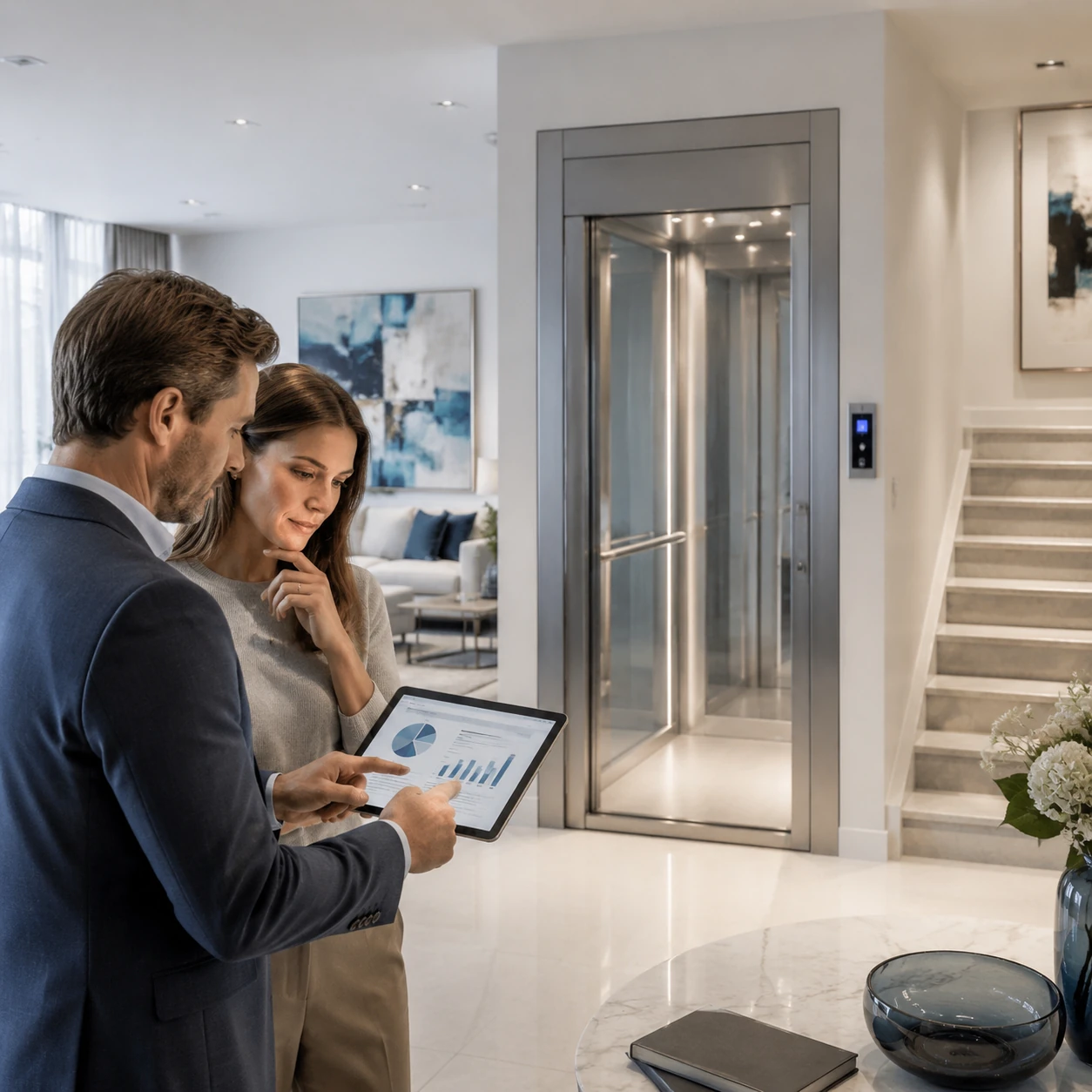
Cost By Lift Type
The type of system you choose has the biggest impact on home lift cost. Each lift technology comes with different pricing, installation requirements, and long-term value.
If you're unsure which system fits your needs, you should first read our complete home lift guide to understand how each lift type works before comparing prices.
Below is a realistic cost comparison based on industry data and manufacturer pricing.
Home Lift Cost by Type (Comparison Table)
| Lift Type | Average Cost | Best For | Notes |
|---|---|---|---|
| Through-floor / Shaftless | $15,000 – $30,000 | 2-floor homes | Most affordable option |
| Hydraulic Lift | $30,000 – $60,000 | Heavy-duty use | Requires machine room |
| Traction Lift | $35,000 – $70,000+ | Multi-floor homes | Premium performance |
| Vacuum (Pneumatic) | $20,000 – $50,000 | Retrofit homes | Minimal construction |
*Pricing based on global market averages and manufacturer data :contentReference[oaicite:0]{index=0}
Hydraulic Home Lift Cost
Hydraulic systems are known for smooth operation and high weight capacity. The average home elevator cost for hydraulic lifts ranges between $30,000 and $60,000.
- Best for larger homes and heavy use
- Requires machine room and shaft
- Higher installation and maintenance costs
Traction Home Lift Cost
Traction lifts are considered premium systems with better efficiency and smoother rides. Typical home lift price ranges from $35,000 to $70,000+.
- Ideal for multi-floor homes
- Energy-efficient operation
- Higher upfront investment
Vacuum (Pneumatic) Home Lift Cost
Vacuum lifts are modern and space-efficient, with prices typically between $20,000 and $50,000.
- No shaft or machine room required
- Fast installation (2–3 days)
- Best for retrofit projects
Through-Floor / Shaftless Lift Cost
These are the most affordable options, with small home lift cost typically ranging from $15,000 to $30,000.
- Perfect for 2-story homes
- Minimal structural work
- Lower capacity compared to other systems
Which Lift Type Is Best for Your Budget?
- Budget option: Shaftless / through-floor lifts
- Best value: Vacuum lifts (balance of cost and installation ease)
- Premium choice: Traction lifts
- Heavy-duty: Hydraulic lifts
Choosing the right type depends on your home layout, number of floors, and long-term usage. You can compare system quality and performance in best home lift brands .
For a full breakdown of installation requirements and how they affect pricing, check the home lift installation guide .

Installation Costs
The home lift installation cost is a major part of the total project budget. In many cases, installation and construction can account for 30% to 50% of the overall home lift cost.
Based on industry data, total installation-related costs typically range between $5,000 and $25,000, depending on the complexity of the project and the type of lift system.
If you're planning your project from scratch, it's highly recommended to read our complete home lift guide to understand how installation requirements vary by lift type.
Installation Cost Breakdown
| Cost Component | Average Cost | Details |
|---|---|---|
| Labor & Installation | $5,000 – $15,000 | Professional installation (2–10 days) |
| Shaft Construction | $5,000 – $20,000 | Required for hydraulic/traction lifts |
| Electrical Work | $1,500 – $5,000 | Dedicated power supply |
| Permits & Inspection | $1,000 – $3,000 | Local compliance requirements |
Installation costs vary significantly depending on home structure and lift type
Installation Cost by Complexity
- Simple installation: $5,000 – $10,000 (through-floor or vacuum lifts)
- Moderate installation: $10,000 – $20,000 (partial structural work)
- Complex installation: $20,000 – $30,000+ (shaft, multi-floor systems)
Retrofit projects (existing homes) are usually more expensive because they require structural modifications, while new construction installations are more cost-efficient due to pre-planning.
What Drives Installation Costs?
- Type of home lift system
- Number of floors and travel height
- Need for shaft or structural modifications
- Electrical upgrades
- Accessibility and site conditions
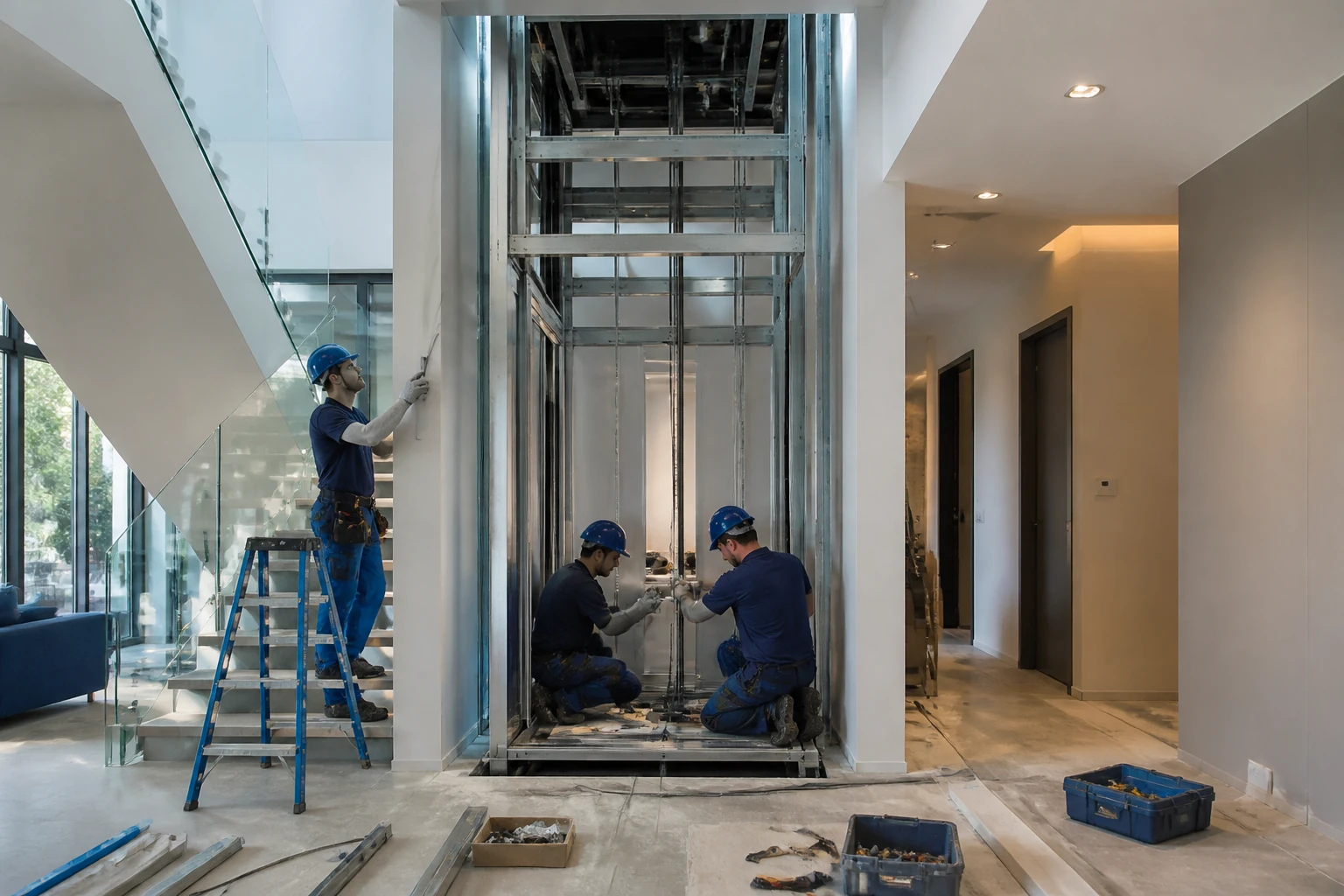
Home Lift Costs By Floors
One of the most important factors affecting home lift cost is the number of floors the lift needs to travel. The more floors you add, the higher the overall cost due to increased materials, labor, and system complexity.
Average Cost by Number of Floors
| Number of Floors | Average Cost | Notes |
|---|---|---|
| 2 Floors | $15,000 – $30,000 | Basic systems, minimal complexity |
| 3 Floors | $25,000 – $50,000 | Requires stronger system |
| 4+ Floors | $40,000 – $80,000+ | Premium systems needed |
*Prices based on industry averages and manufacturer data (varies by system type and customization)
Why More Floors Increase Cost
- Longer rails or shaft construction
- Higher load requirements for motors
- Additional safety systems
- More complex installation process
Each additional floor typically adds between $5,000 and $15,000 to the total home lift price, depending on system type.
Cost Impact by Lift Type
- Through-floor lifts: Best for 2 floors only
- Vacuum lifts: Moderate increase with each floor
- Hydraulic lifts: Higher cost due to shaft requirements
- Traction lifts: Most efficient for multi-floor homes
Choosing the right system for your number of floors can significantly optimize your home elevator cost.
Key Insight
If your home has more than two floors, investing in a traction or hydraulic system may provide better long-term value, even if the upfront home lift cost is higher.
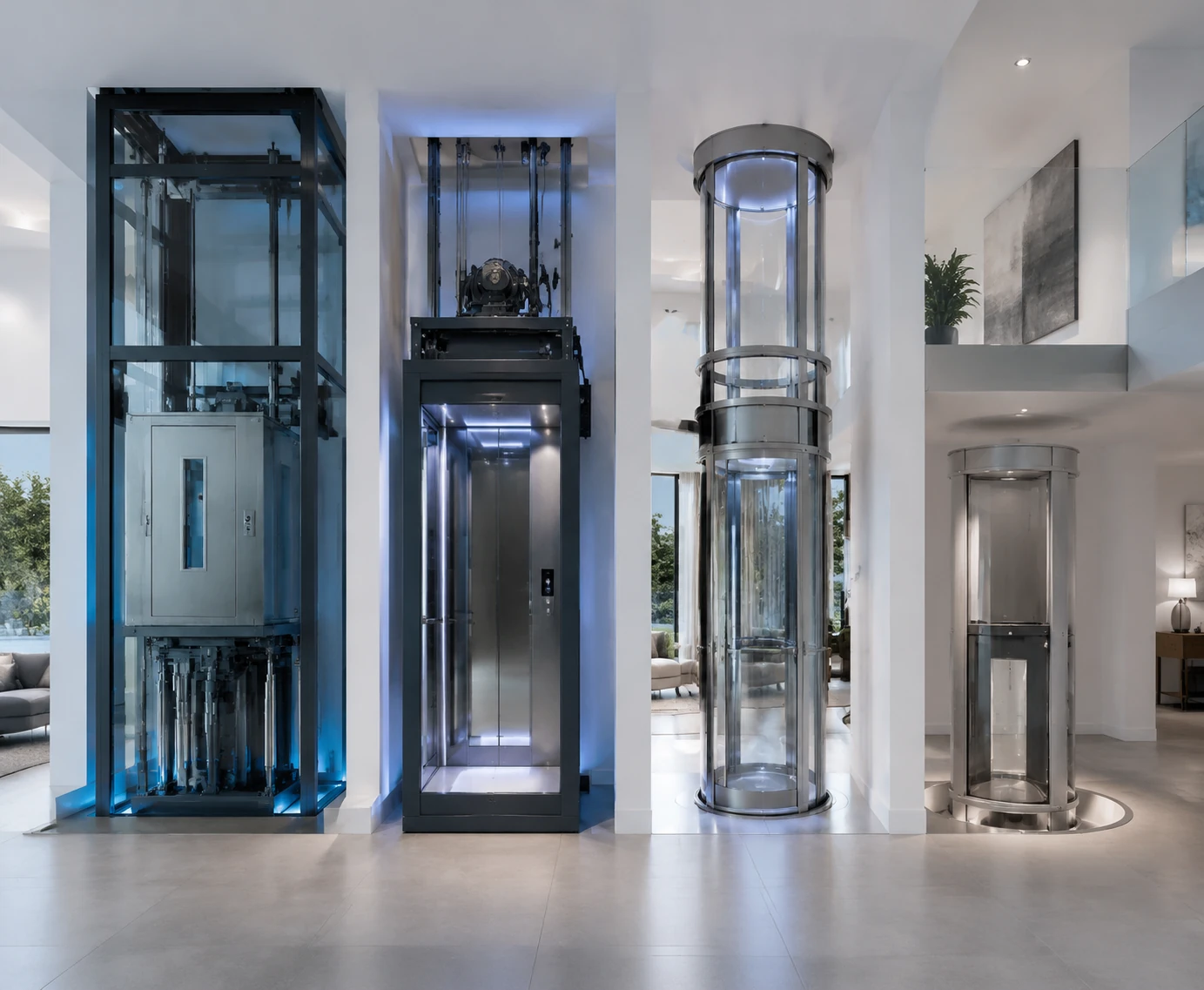
Factors Affecting Price
The final home lift cost is influenced by multiple factors beyond just the base price of the unit. Understanding these variables helps you estimate a realistic budget and avoid unexpected expenses.
Before diving into details, you can read our complete home lift guide to understand how system types and configurations impact overall pricing.
1. Type of Home Lift
The type of system you choose is the biggest cost driver.
- Through-floor lifts: Most affordable
- Vacuum lifts: Mid-range pricing
- Hydraulic lifts: Higher cost due to structure
- Traction lifts: Premium pricing
Each system has different installation and performance characteristics that directly impact home lift price.
2. Number of Floors
The more floors your lift needs to travel, the higher the total home elevator cost.
- Additional rails or shaft height
- Increased motor capacity
- More safety components
Each extra floor can add thousands of dollars to the total project cost.
3. Installation Complexity
Installation conditions play a major role in determining home lift installation cost.
- Retrofit vs new construction
- Need for shaft construction
- Structural modifications
- Accessibility of installation area
For detailed setup requirements, see the home lift installation guide .
4. Customization and Design
Customization options can significantly increase the home lift cost.
- Glass cabins and panoramic designs
- Premium interior finishes
- Smart control systems
- Luxury lighting and materials
High-end customization can add $5,000 to $20,000+ to the total price.
5. Brand and Manufacturer
The brand you choose directly impacts quality, reliability, and pricing.
- Premium brands offer higher durability
- Better warranties and support
- Higher upfront cost but lower long-term maintenance
You can compare top manufacturers in best home lift brands .
6. Structural Modifications
If your home requires construction changes, the total home lift price will increase.
- Floor openings
- Reinforced walls or supports
- Shaft construction
These modifications can add $2,000 to $15,000 depending on complexity.
7. Electrical Requirements
Electrical upgrades are often necessary for proper system operation.
- Dedicated power supply
- Backup battery systems
- Control panel installation
Electrical work can add $500 to $5,000 to the total home lift cost.
8. Location and Labor Costs
Your geographic location also affects pricing.
- Labor costs vary by region
- Permit fees differ by local regulations
- Transportation and logistics costs
Urban areas typically have higher installation costs than rural locations.
Summary of Cost Factors
| Factor | Impact on Cost |
|---|---|
| Lift Type | Very High |
| Floors | High |
| Installation Complexity | High |
| Customization | Medium to High |
| Brand | Medium |
Understanding these factors allows you to better control your home lift cost and choose the most suitable option for your needs and budget.

Hidden Costs
When planning your budget, many homeowners focus only on the base home lift cost. However, there are several hidden expenses that can significantly increase the total investment.
To fully understand how these costs fit into your project, you can read our complete home lift guide .
Ignoring these hidden costs can lead to budget overruns, especially in retrofit installations or high-end custom projects.
1. Structural Modifications
Many homes require structural changes before installing a lift.
- Cutting through floors
- Reinforcing walls and ceilings
- Building a shaft or support frame
These changes can add $2,000 to $15,000+ to your total home lift price.
2. Electrical Upgrades
Modern systems often require dedicated electrical work.
- New power circuits
- Backup battery systems
- Control panel wiring
Electrical upgrades can cost between $500 and $5,000 depending on system requirements.
3. Permits and Inspections
Local regulations may require permits and inspections.
- Building permits
- Safety inspections
- Compliance certifications
Permit-related costs typically range from $1,000 to $3,000, depending on location.
For official guidelines, refer to ADA accessibility standards .
4. Maintenance and Servicing
Ongoing maintenance is often overlooked in initial budgeting.
- Annual servicing
- Battery replacement
- Wear-and-tear components
Annual maintenance costs typically range between $300 and $1,000.
5. Customization Upgrades
Optional features can quickly increase the total home elevator cost.
- Glass cabins
- Luxury finishes
- Smart control systems
Customization can add $5,000 to $20,000+ depending on design choices.
6. Unexpected Installation Challenges
Every home is different, and unexpected issues can arise during installation.
- Hidden structural issues
- Limited access areas
- Additional labor time
These factors can increase home lift installation cost beyond initial estimates.
Hidden Cost Summary
| Hidden Cost | Estimated Range |
|---|---|
| Structural Modifications | $2,000 – $15,000+ |
| Electrical Work | $500 – $5,000 |
| Permits & Inspections | $1,000 – $3,000 |
| Maintenance (Annual) | $300 – $1,000 |
| Customization | $5,000 – $20,000+ |

Ways To Reduce Costs
While home lift cost can be significant, there are several smart strategies to reduce expenses without compromising safety or performance. Careful planning and informed decisions can help you save thousands on your project.
If you're still comparing options, you can read our complete home lift guide to understand which systems offer the best value for your needs.
1. Choose the Right Lift Type
Selecting the appropriate system is the most effective way to control home lift price.
- Through-floor lifts are the most affordable
- Vacuum lifts reduce installation costs
- Avoid over-specifying for your needs
Choosing a system that matches your home layout prevents unnecessary expenses.
2. Install During New Construction
Installing a lift during the construction phase can significantly reduce home lift installation cost.
- No need for structural modifications later
- Easier integration into design
- Lower labor costs
Retrofit installations are often more expensive due to required adjustments.
3. Limit Customization
Customization can quickly increase the home elevator cost.
- Choose standard cabin designs
- Avoid premium materials unless necessary
- Skip non-essential smart features
Keeping the design simple can save $5,000–$20,000 or more.
4. Compare Multiple Brands
Different manufacturers offer varying pricing and features.
- Compare quality vs cost
- Look for warranty coverage
- Evaluate long-term maintenance costs
You can explore options in best home lift brands to find the best balance between price and performance.
5. Plan for Fewer Floors
Reducing the number of stops can lower the overall home lift cost.
- Install only where needed
- Avoid unnecessary multi-floor extensions
Each additional floor adds both equipment and installation costs.
6. Get Multiple Quotes
Always compare quotes from different installers.
- Request detailed breakdowns
- Check what’s included in installation
- Identify hidden costs early
This helps you avoid overpaying and ensures transparency.
7. Check for Grants and Financial Support
Some regions offer financial assistance for accessibility upgrades.
- Government grants
- Disability support programs
- Tax incentives
These programs can significantly reduce your total home lift cost.
You can also review installation-related savings in the home lift installation guide .
Quick Cost-Saving Summary
| Strategy | Potential Savings |
|---|---|
| Choose basic lift type | $5,000 – $20,000 |
| Install during construction | $3,000 – $10,000 |
| Reduce customization | $5,000 – $20,000+ |
| Compare multiple quotes | Varies |
By applying these strategies, you can significantly reduce your home lift cost while still achieving a safe and reliable installation.

Home Lift vs Stair Lift Costs
When comparing accessibility solutions, many homeowners consider both home lift cost and stair lift pricing. While both systems improve mobility, they differ significantly in cost, functionality, and long-term value.
If you want a full overview of lift systems before comparing costs, you can read our complete home lift guide .
Cost Comparison Overview
| Feature | Home Lift | Stair Lift |
|---|---|---|
| Average Cost | $15,000 – $70,000+ | $2,000 – $12,000 |
| Installation Cost | $5,000 – $25,000 | $500 – $3,000 |
| Structural Changes | Often required | Minimal |
| Capacity | 2–4 people / wheelchair | 1 person |
| Comfort & Accessibility | High | Moderate |
| Property Value Impact | Increases value | Minimal impact |
Stair Lift Cost Overview
A stair lift is a more affordable alternative, with prices typically ranging from $2,000 to $12,000 depending on whether the staircase is straight or curved.
- Lower upfront cost
- Quick installation (often within a day)
- Minimal structural modifications
Home Lift Cost Overview
A home lift offers a more advanced and long-term solution, with total home elevator cost ranging from $15,000 to $70,000+.
- Suitable for wheelchairs and multiple users
- Increases property value
- Higher installation complexity
Which Option Is Better?
- Choose a stair lift if: you need a quick, budget-friendly solution
- Choose a home lift if: you want long-term accessibility and higher comfort

FAQs
How much does a home lift cost on average?
The average home lift cost ranges between $15,000 and $40,000 for standard systems. Premium models can exceed $70,000 depending on customization and number of floors.
What is the total home lift installation cost?
The home lift installation cost typically ranges from $5,000 to $25,000, depending on structural work, electrical setup, and complexity of the project.
What is the cheapest home lift option?
Through-floor or shaftless lifts are usually the most affordable, with a small home lift cost starting around $12,000 to $15,000.
Is a home lift worth the investment?
Yes. A home lift improves accessibility, increases property value, and provides long-term convenience, making it a strong investment for many homeowners.
Do home lifts increase property value?
In most cases, installing a home lift can increase property value, especially in multi-story homes or properties designed for aging-in-place.
How long does a home lift last?
Most systems last between 10 to 20 years with proper maintenance and servicing.
Are there ongoing maintenance costs?
Yes. Annual maintenance typically costs between $300 and $1,000, depending on the system and usage.
Conclusion
Understanding home lift cost is essential for making a smart and informed investment. From system type and installation complexity to customization and long-term maintenance, multiple factors influence the final price.
By carefully comparing options, planning ahead, and choosing the right system for your needs, you can optimize your budget while ensuring safety, comfort, and long-term reliability.
If you are still evaluating your options, make sure to read our complete home lift guide to get a full understanding of system types, features, and buying considerations.
A well-chosen home lift is more than just a convenience—it is a long-term investment in accessibility, safety, and property value.