
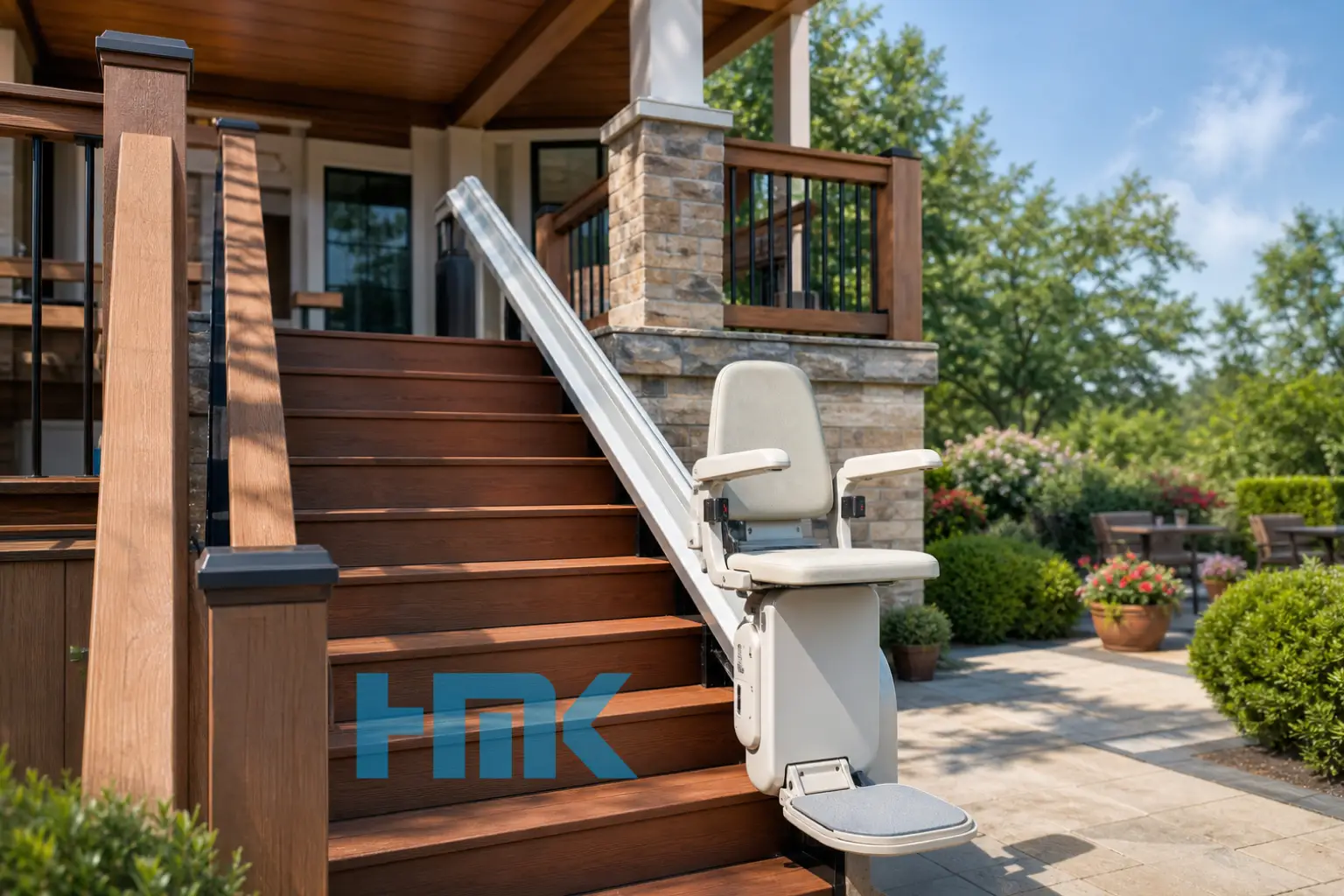
For many homeowners, the front porch, back deck, or garden path is more than just an architectural detail, it represents a connection to the community, access to nature, and the simple freedom of movement. However, as mobility needs change or health challenges arise, navigating these exterior steps can become a daunting and dangerous task. This is where the outdoor stairlift becomes a transformative solution.
Unlike their indoor counterparts, outdoor lifts are engineered to bridge the gap between interior comfort and the world outside. They ensure that a few stairs never stand in the way of independence. In this guide, we will explore the nuances of selecting the right exterior mobility equipment, the importance of weatherproofing, and how to maintain your lift to ensure it remains a reliable partner for years to come.
the Different Types of Stairlift Systems
Before diving into installation and weather resistance, it is crucial to understand that not all lifts are built the same. Choosing the right configuration is the first step in ensuring a safe and functional outdoor accessibility solution.
1. Straight Rail Stairlifts
The most common and cost-effective type is the straight rail stairlift. These are designed for a single, unbroken flight of stairs that does not have any curves, turns, or intermediate landings. Because the rail is straight, it is often simpler to manufacture and install. For outdoor environments, this means fewer joints and potential entry points for moisture, making it a very reliable choice if your staircase configuration allows for it.
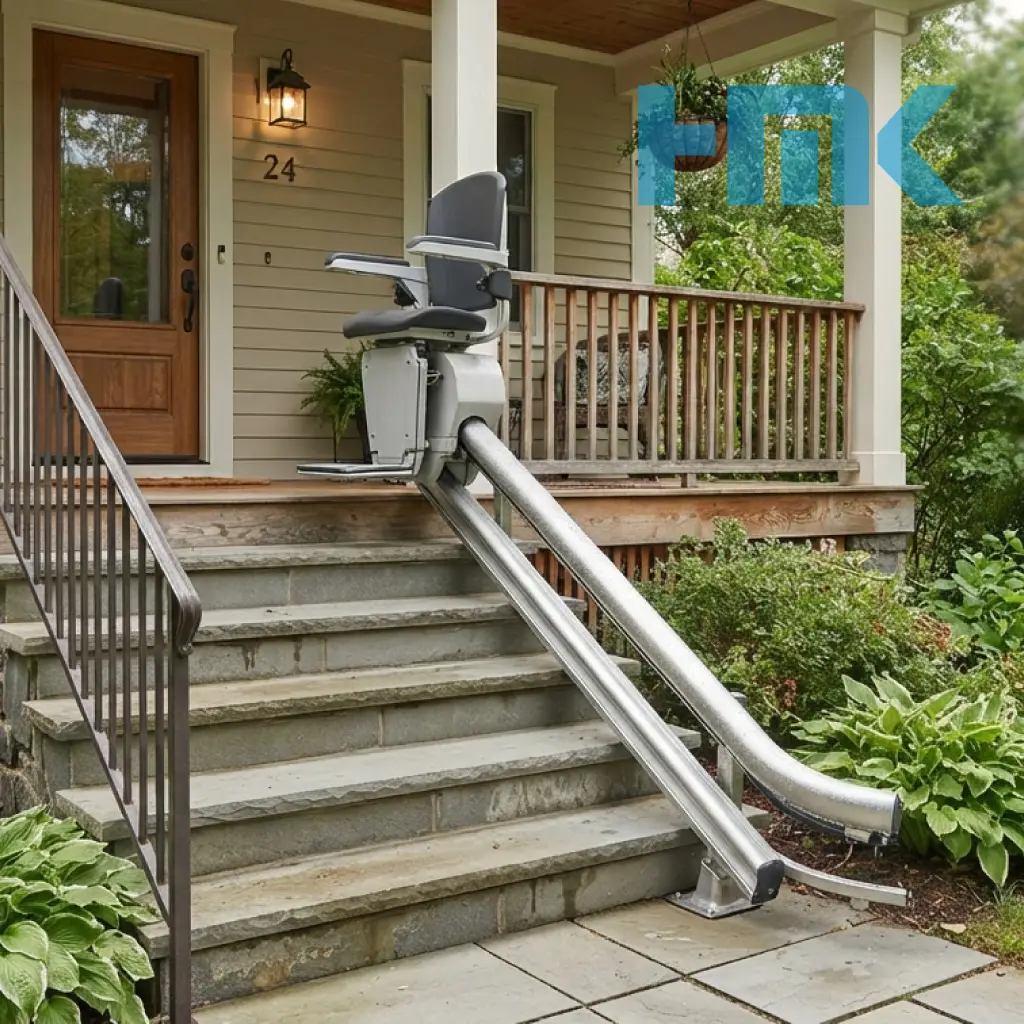
2. Curved Rail Stairlifts
If your exterior staircase features a bend, a turn, or a spiral, a standard straight rail will not suffice. You will need a custom-made curved stairlift. These systems involve a rail that is precision-engineered to match the exact geometry of your stairs. While these are more expensive and require a longer lead time for installation, they offer the only viable solution for complex outdoor architectural layouts. They ensure the user can navigate corners safely without having to transfer to a different lift mid-way.
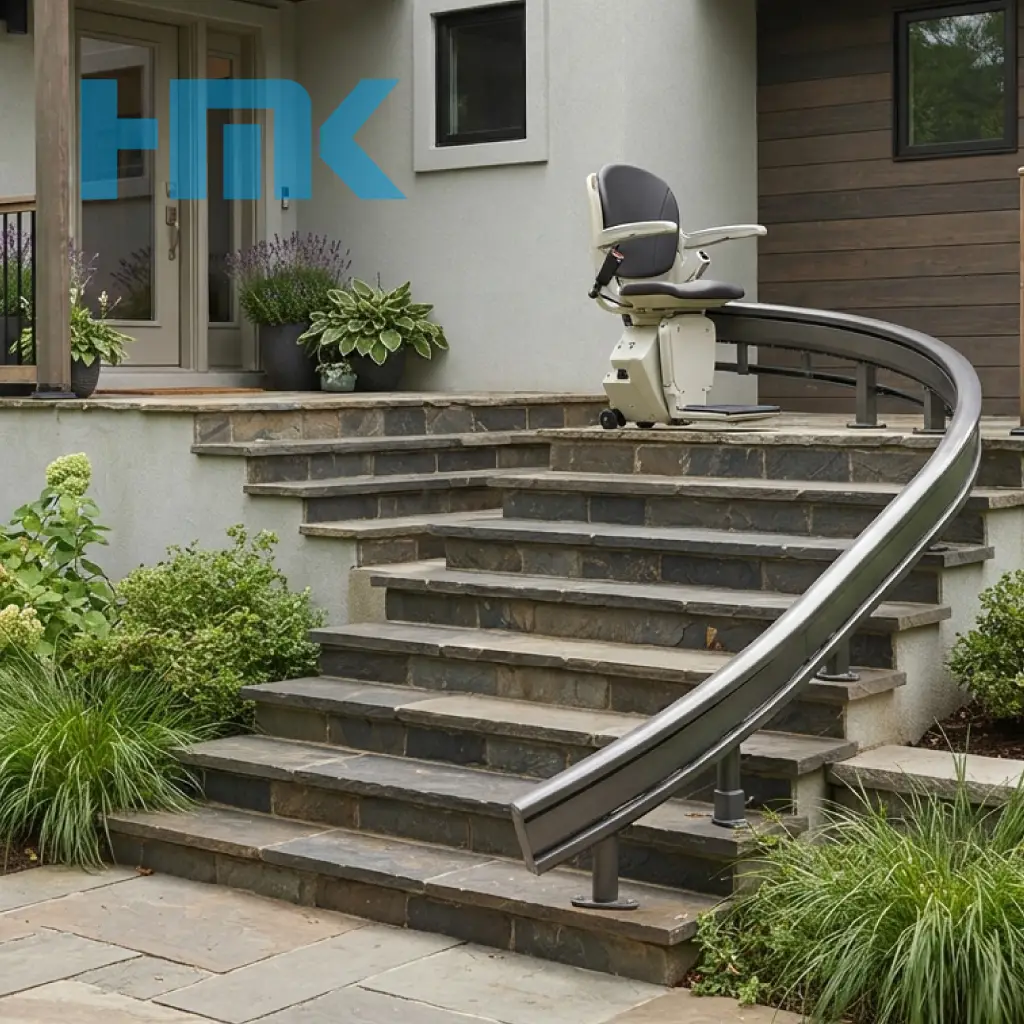
3. Vertical Platform Lifts (VPL)
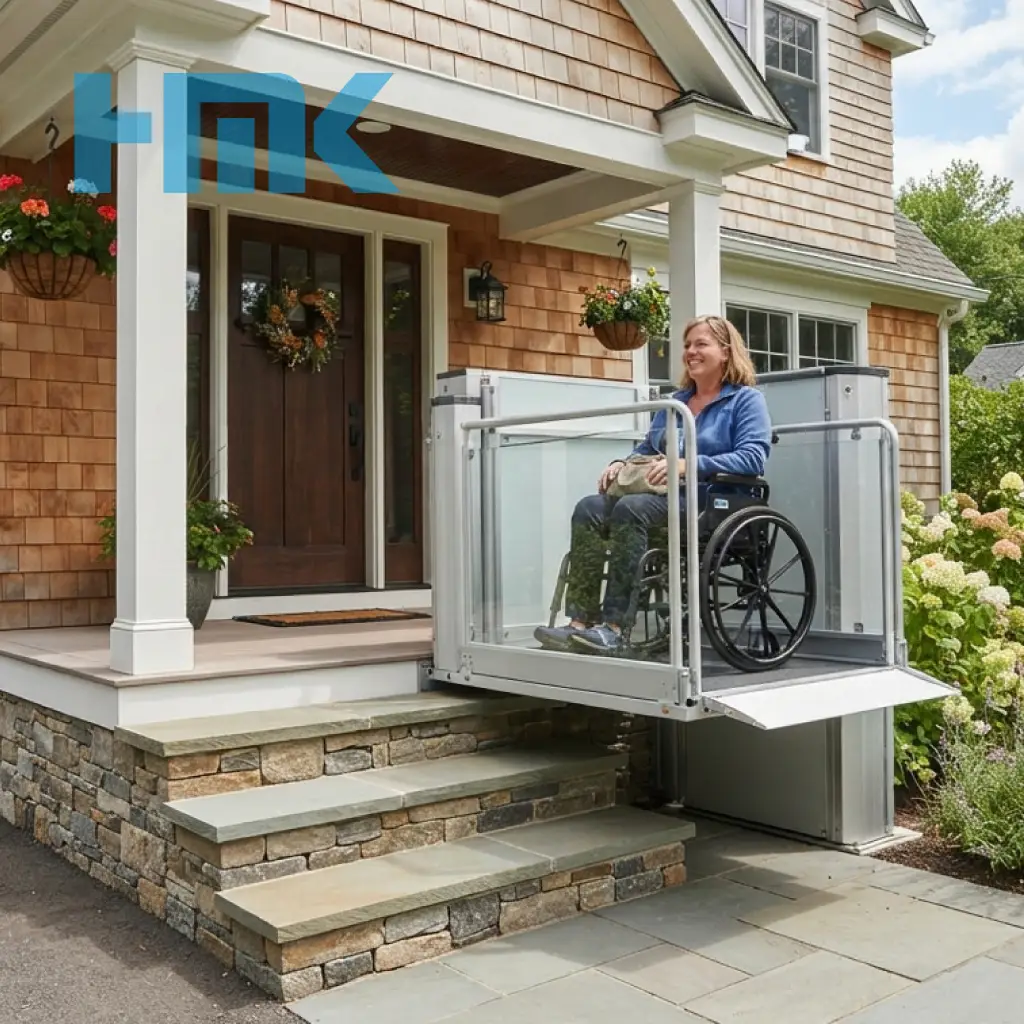
While not technically a “stairlift,” it is important to mention the vertical platform lift, often referred to as a porch lift. A VPL acts more like a mini-elevator. It consists of a flat platform that travels vertically. This is an excellent option for those who use wheelchairs or walkers, as it allows the user to roll onto the platform without needing to transfer out of their mobility device. If your outdoor accessibility needs involve a wheelchair, a VPL might be a more holistic solution than a traditional seat-based lift.
Also Read: types of stairlift
The Engineering Behind Weather Resistance
The primary distinction between an indoor and an outdoor stairlift lies in the engineering. An indoor model is designed for a climate-controlled environment; conversely, an outdoor lift must be engineered to withstand the unpredictable nature of the elements, from scorching summer sun to freezing winter storms.
Materials Matter
Manufacturers utilize high-grade, marine-quality materials to prevent the degradation caused by nature. The chassis and track systems are typically constructed from galvanized steel or heavy-duty aluminum. These are often finished with a specialized powder coating that is both UV-resistant and anti-corrosive. This robust protective layer prevents rusting and structural weakening, which are inevitable if standard, indoor-rated hardware is exposed to rain, humidity, or direct sunlight.
Climate-Specific Features
To operate effectively throughout the year, an outdoor unit incorporates several vital features:
- Weatherproof Covers: These are essential. When the unit is not in use, a heavy-duty, waterproof cover protects the seat, controls, and motor housing from precipitation, dust, and debris.
- Internal Component Sealing: Electronic boards, wiring harnesses, and motor assemblies are housed in IP-rated enclosures. These seals prevent moisture ingress, which could otherwise cause short circuits or mechanical failure during a heavy downpour.
- Temperature Tolerance: The lubrication systems used in the track and drive gears are often synthetic. Unlike standard grease, which can stiffen in the cold or liquify in the heat, these specialized lubricants remain viscous and functional in a wide range of temperatures.
Planning the Installation
Installing an outdoor lift is a more complex undertaking than an indoor project because the environment is unregulated and variable. Before you purchase a system, you must conduct a thorough assessment of your exterior space.
Assessing the Terrain
Unlike an indoor staircase, which is generally uniform and built to strict building codes, outdoor stairs often vary in height, depth, and incline. Furthermore, the ground beneath the staircase must be stable. If the stairs are wooden and aging, they may need structural reinforcement before the track can be securely bolted down. A professional installer will measure the “rake” or angle of the stairs to ensure the lift operates smoothly without straining the motor.
Power Considerations and Electrical Safety
How will your lift be powered? Most modern outdoor units utilize a battery-backed system that charges at the top or bottom of the rail. However, you will still need a GFI (Ground Fault Circuit Interrupter) protected outdoor power outlet installed near the track. Because this connection will be exposed to the elements, the wiring must be conduit-protected to comply with local safety codes and to prevent electrical hazards. This creates a safe, reliable power source that won’t trip during a rainstorm.
Safety and Security Features
Outdoor units often require additional safety measures compared to indoor models. Consider the proximity of the lift to the street or public view. Many models include key-operated switches, allowing you to lock the unit when it is not in use. This prevents unauthorized operation by children or passersby. Additionally, ensure there is adequate clearance at the top and bottom landings. Creating a safe “transfer” area, where the user can safely exit the chair onto level ground, is just as important as the ride itself.
Integrating Vertical Lifts
While a stairlift is a superb solution for navigating existing staircases, homeowners planning major renovations might consider a broader approach to accessibility. As you evaluate exterior mobility, it is natural to look at the interior as well.
Designing a home that caters to multi-generational living or aging-in-place requires a holistic view. When architects design a home lift or a platform lift as part of a renovation, they are moving beyond simple retrofitting.
A vertical platform lift can be integrated into the architectural footprint of the home, often requiring a small shaft or a dedicated lift space. Unlike a stairlift, which requires a seat and a track running along the wall, a vertical lift provides a platform that moves passengers, and potentially mobility devices like wheelchairs, between levels.
If you are planning to modify your home for long-term accessibility, consider the following design philosophies:
- Seamless Transitions: If you are adding an outdoor lift, ensure the threshold between the porch and the door is level, perhaps installing a small ramp to eliminate the “step-over” hazard.
- Integration with Aesthetics:Modern lifts can be customized. Choosing a color palette for your outdoor equipment that matches the exterior siding or railings can help the equipment blend into the home’s design, rather than appearing as a clashing afterthought.
- Path Lighting: If you are installing an outdoor lift, couple this project with the installation of motion-sensor landscape lighting along the path leading to the unit. This improves visibility and safety during dusk and evening hours.
Maintenance: The Key to Longevity
An outdoor stairlift is a mechanical device placed in a hostile environment; therefore, it requires more diligence than an indoor unit. A “set it and forget it” mentality will inevitably lead to frustration and mechanical wear.
The Seasonal Checklist
- Post-Winter Tune-up: After the winter months, inspect the rail for any ice damage, salt residue, or debris buildup. Clean the track with a mild detergent and ensure the lubricant is fresh.
- Battery Management: Even if you do not use the lift every day, the batteries must be charged regularly to maintain their health. If you live in an area with extreme cold, consider that battery performance can drop significantly. Keeping the seat covered helps retain some ambient heat around the electronics.
- Annual Professional Inspection: We strongly recommend scheduling a professional service visit at least once a year. A technician will check the motor tension, ensure the safety sensors are functioning, and tighten any fasteners that may have vibrated loose due to temperature fluctuations.
Cleaning and Care
Keep the track free of leaves, twigs, and ice. Debris caught in the rack-and-pinion drive system can cause the carriage to stall or damage the teeth of the track. If you live in a coastal area, salt spray is a major enemy to metal. A simple wipe-down with a damp, clean cloth every few weeks will remove salt and grime, extending the life of the powder-coated finish significantly.
Troubleshooting Common Issues
Even with the best maintenance, you may encounter minor hitches. Understanding the basics can save you from unnecessary service calls.
- The Lift Won’t Start: Check the most obvious culprits first. Is the power supply connected? Is the main switch turned on? If the unit is battery-operated, check the charging contacts on the rail to ensure they are clean and free of corrosion. A build-up of dirt can prevent the battery from charging.
- The Lift Stops Mid-Ride: Outdoor units are equipped with safety sensors designed to stop the lift if they encounter an obstacle. Check the track for obstructions like branches, frozen debris, or even a stray garden hose.
- Jerky Motion: This often points to a dirty or dry track. Clean the track thoroughly and re-apply a manufacturer-approved lubricant. If the jerkiness persists, it could indicate wear in the rollers, which should be assessed by a technician.
Conclusion
An outdoor stairlift is more than a piece of mechanical equipment; it is a gateway to the outdoors and a tool for maintaining independence. By choosing a model built specifically for weather resistance, investing in professional installation, and committing to a consistent maintenance schedule, you can ensure that your home remains a place of freedom and accessibility.
Whether you are looking to manage a small set of porch steps or planning a larger renovation that includes vertical lift integration, the goal is always the same: to remove the physical barriers that limit your lifestyle. With the right equipment and care, the stairs outside your door will no longer be an obstacle, but a smooth, safe transition to the world beyond your home.
FAQ
1- Can I use an indoor stairlift outdoors if I cover it?
No, this is strongly discouraged. Indoor models lack the sealed electronics, weather-resistant materials, and specific lubrication needed for outdoor conditions. Even with a cover, condensation and humidity will penetrate the sensitive components of an indoor unit, leading to early failure, corrosion, and potentially voiding your warranty.
2- How much weight can an outdoor stairlift carry?
Most standard outdoor units are designed to support between 250 and 350 pounds. However, heavy-duty models are available that can support up to 400 or 500 pounds. Always consult with your provider regarding your specific weight requirements during the assessment phase.
3- Do I need a permit to install an outdoor lift?
This depends on your local municipality and building codes. In many areas, installing an exterior lift is considered a home modification that requires a building permit, especially if the installation involves altering existing stairs or railings. Always check with your local building department or your installer before beginning work to ensure compliance.
4- How long does an outdoor stairlift battery last?
On average, the batteries in an outdoor lift will last between 3 to 5 years, depending on the frequency of use and the local climate. Extreme temperatures (very hot or very cold) can affect battery chemistry and overall lifespan.
5- Can these lifts handle heavy snow or rain?
Yes, they are designed to operate in rain and withstand snow exposure. However, for the longevity of the machine, it is highly recommended to keep the track clear of heavy snow accumulation and to always use the manufacturer-provided waterproof cover when the unit is not in use to prevent freezing at the gear mechanism.
6- Is it better to install a ramp or a stairlift?
A ramp is an excellent solution if you have the space to accommodate a long, gentle slope (typically a 1:12 ratio). If your exterior space is limited and cannot accommodate the long footprint required for a ramp, or if the stairs are very steep, a stairlift is often the most space-efficient and practical alternative for mobility-impaired individuals.
Hamyar Mechanic Koosha Editorial Team
Specialized content team in biomedical engineering and rehabilitation
Hamyar’s editorial team consists of biomedical engineering experts who provide practical, technical content in plain language to raise public awareness.
Related Articles
No articles found.