
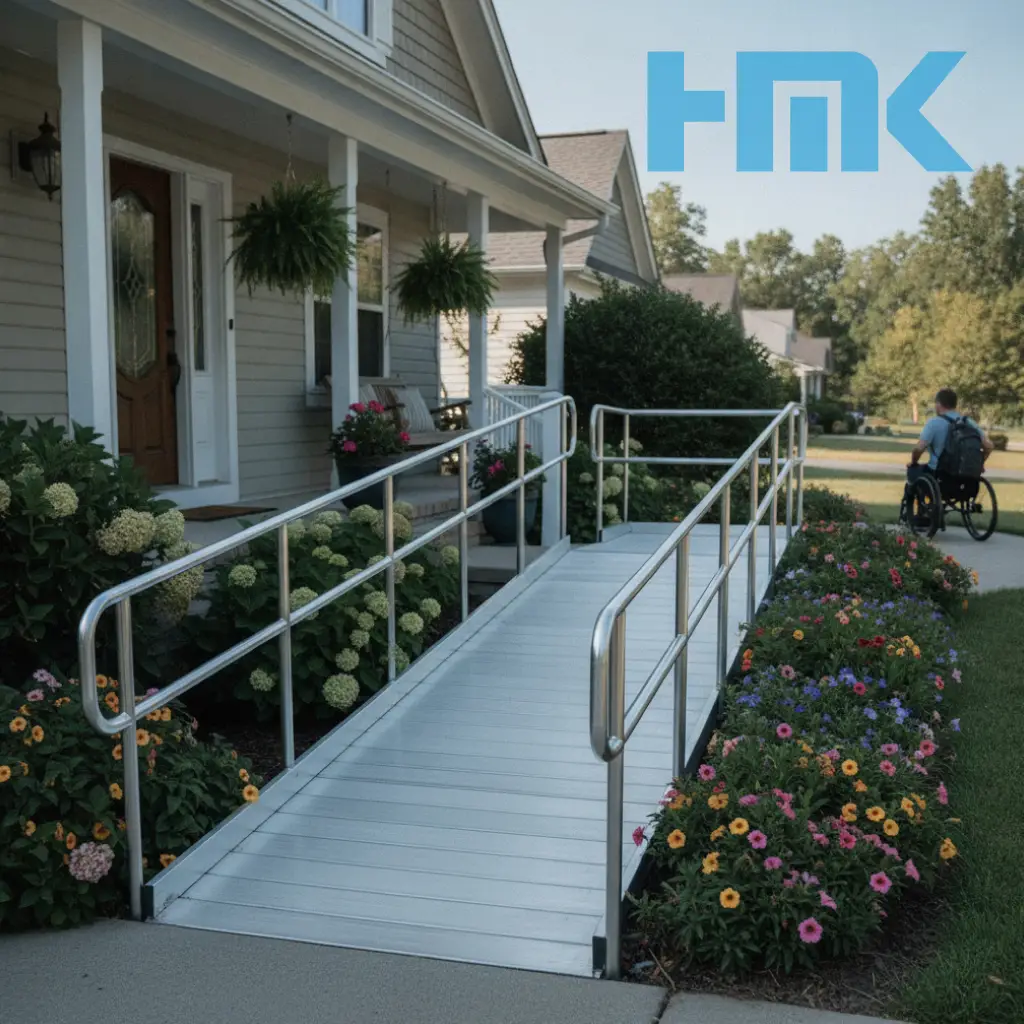
Accessibility is a cornerstone of a functional and inclusive home. For individuals with mobility challenges, a wheelchair ramp is often the single most important modification to ensure safe entry and exit from a residence. However, homeowners are often surprised by the wide variance in costs associated with these installations. Understanding the factors that drive these prices, from materials to labor and local regulations, is crucial for budgeting effectively.
The Importance of Professional Planning
Before diving into specific price points, it is essential to recognize that a wheelchair ramp is not merely a piece of construction; it is a critical safety device. Whether you are installing a semi-permanent modular system or a custom-built wooden structure, the design must prioritize safety, stability, and ease of use.
The Role of ADA Guidelines
Even for private residential homes, adhering to the Americans with Disabilities Act (ADA) guidelines is the "gold standard." These regulations dictate a slope ratio, typically 1:12, meaning for every inch of vertical rise, there must be at least one foot of ramp length.
This prevents the ramp from being too steep, which could cause a wheelchair to tip backward or make manual propulsion impossibly difficult. While private homes aren't legally mandated to follow ADA rules, ignoring these standards can lead to dangerous installations that fail to provide genuine accessibility.
Breaking Down Costs by Material Type
The cost of your ramp project will largely depend on the material you choose. Each material has distinct pros, cons, and price points.
1. Aluminum Modular Ramps
Modular aluminum systems are the most popular choice for many families because they are durable, can be installed quickly, and are portable.
- Cost: $100 to $250 per linear foot, including installation.
- Pros: Minimal maintenance, high resale value, and modular components allow for reconfiguration.
- Cons: Industrial aesthetic.
Custom wooden ramps are often chosen for their ability to be built to match the architectural style of the home.
- Cost: $50 to $150 per linear foot.
- Pros: Aesthetically pleasing and highly customizable.
- Cons: High maintenance (must be sealed/stained), prone to rot, and can be slippery when wet.
3. Concrete Ramps
Concrete is the permanent solution, built to last decades.
- Cost: Starting at $200 per linear foot.
- Pros: Unmatched durability, very low maintenance.
- Cons: Expensive, time-consuming to build, and permanent.
4. Threshold Ramps
For small height differences, such as a doorway bump.
- Cost: $50 to $300 total for pre-manufactured units.
- Pros: Inexpensive, ready-to-use, and easy to install.
Also Read: Different types of Wheelchair ramp
Beyond the Ramp: Considering Wheelchair Lifts
If space is limited, a wheelchair lift is a superior alternative.
Home Lifts
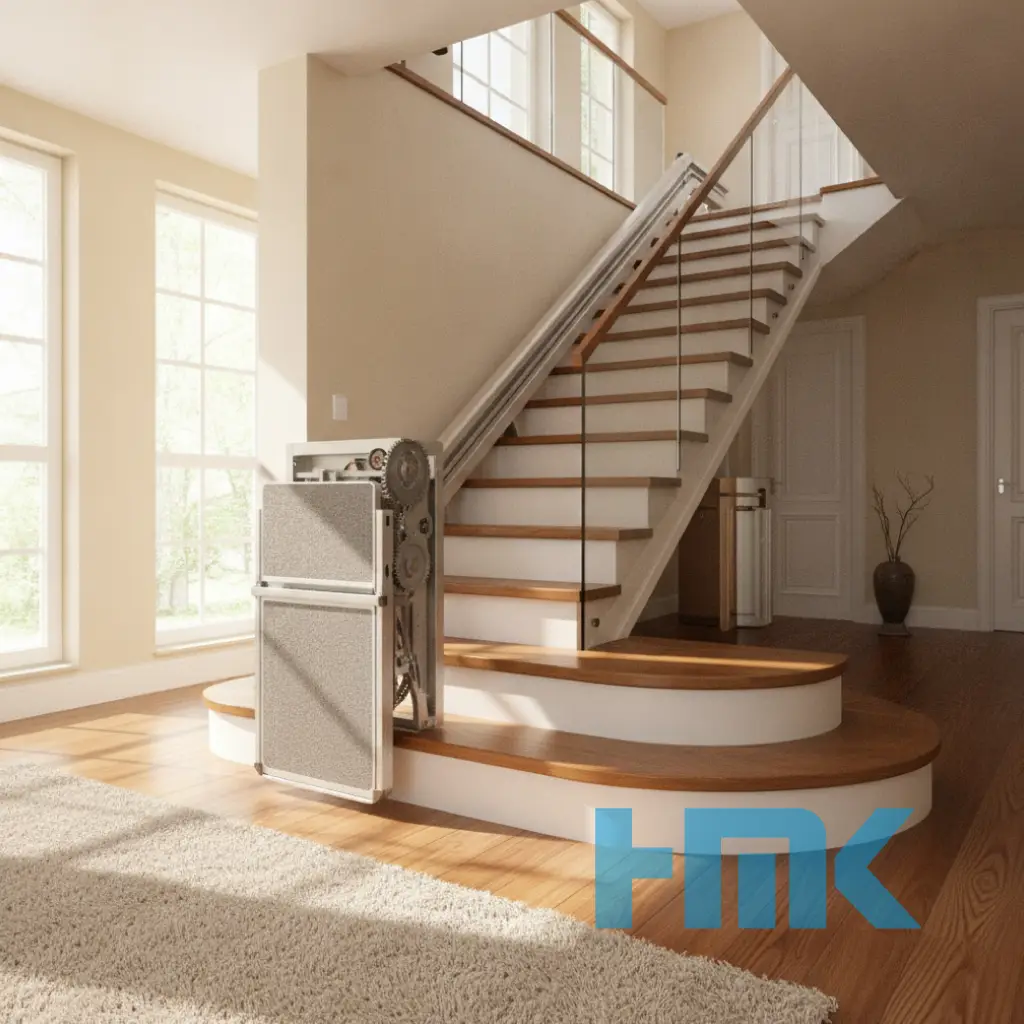
Home lift functions like a miniature elevator.
- Cost: $5,000 to $15,000+, depending on height and complexity.
- Use Case: Ideal for tight spaces where a ramp would be too long.
Incline Platform Lifts
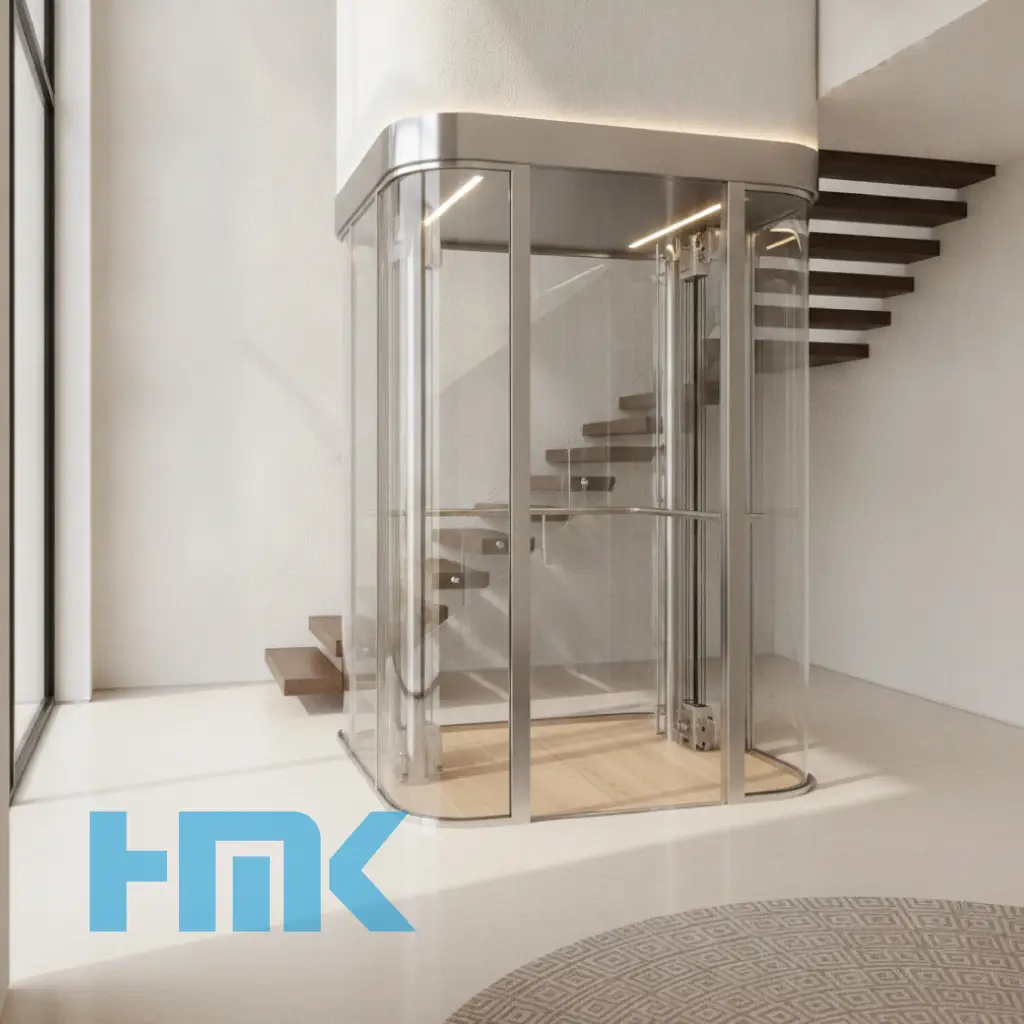
These lifts are installed directly on existing staircases.
- Cost: $10,000 to $20,000.
- Use Case: Multi-story homes or long staircases.
Factors Influencing Installation Price
- Site Grading and Preparation: Uneven yards require expensive landscaping.
- Permitting: Costs range from $100 to several hundred dollars.
- Labor Rates: Professional installation ensures the ramp is level and secure.
- Accessories: Handrails, non-slip surfaces, and turning platforms increase the total.
Conclusion
Installing a wheelchair ramp is an investment in independence and safety. By carefully assessing your space, choosing the right material, and potentially exploring alternatives like vertical platform lifts, you can find a solution that fits your budget. Always prioritize safety, a well-built ramp is a long-term asset to any home.
FAQ
1- Can I install a wheelchair ramp myself?
Simple kits can be DIY, but custom wooden or concrete ramps should be handled by professionals due to fall risks.
2- Does Medicare or Insurance cover ramp installation?
Generally, no. However, some Medicaid waiver programs or private insurance policies may offer partial coverage.
3- What is the maintenance difference between wood and aluminum?
Wood requires annual staining/sealing. Aluminum requirees only occasional cleaning.
4- How wide should my ramp be?
36 inches is the minimum, but 48 inches is recommended for safety and comfort.
Hamyar Mechanic Koosha Editorial Team
Specialized content team in biomedical engineering and rehabilitation
Hamyar’s editorial team consists of biomedical engineering experts who provide practical, technical content in plain language to raise public awareness.
Related Articles
No articles found.