Match low-level lifting to the person’s next transfer.
A floor lift chair is considered for assistance in raising a person from a low level. Before choosing, assess access to the seat, body support and the transfer that follows.
Assess seating and support
Check working space
Plan the next transfer
Start with your needs
People needing help from a low seat
Assess stable sitting and access to the device; difficulty rising alone does not determine suitability.
Families planning care
Review the starting point, destination and assistance with the user so equipment fits daily care.
Home caregivers
Assess working space, assistance and caregiver numbers, and request training for the actual model.
Equipment advisers
Distinguish low-level lifting from sling transfers and standing assistance when assessing options.
What matters when choosing this option?
Define the task precisely
Discuss starting and finishing heights so selection does not depend on a name or appearance.
Consider seated positioning
Match seat dimensions and body-support requirements to the person.
Assess the actual environment
Review the floor, space beside the chair and route to the destination together.
Training before use
Learn operation, stopping and assistance procedures for the delivered equipment.
Understand the product and its use
Getting up from near floor level is different from a bed-to-wheelchair transfer. A floor lift chair is presented for assessing a change in seated height; suitability depends on reaching and remaining on the seat and the assistance required. Before buying, establish the starting position, how the person gets onto the equipment and where they move afterwards.
The current catalogue name is Floor Lift Chair; the historical dual-purpose-platform-lift address remains. That older name does not establish use as a goods platform, stair-climbing device or standing aid. Introductory images alone do not establish lifting range, capacity or operating method. The delivered model and permitted use must be identified in its proposal and instructions.
Price and quotation scope
Contact for pricing
Confirm the model, included items and installation or delivery costs in the order proposal.
Describe a specific situation: where the person is seated, the support needed and whether the destination is a chair, wheelchair or another position. Vertical seat movement does not establish permission for every transfer. If full body support in a sling is required, assess a patient lift as well. Suitability needs an individual assessment and the model instructions, not merely a demonstration of upward movement.
Technical details to obtain before ordering
Request minimum and maximum seat height, rated load, seat and base dimensions, equipment weight and controls. Compare these with how the person reaches the seat and the destination height. Obtain written power, charger, charging-use and stopping instructions; do not infer them from a handset or battery. Confirm included items and accessory compatibility too.
Floor and surrounding space are part of selection
Record floor type, levelness, rugs, thresholds and caregiver space. A demonstration in one room does not establish suitability for every carpet or soft surface. Check documented permission for damp or bathroom use; do not treat this product as a toilet chair. Storage and moving the unoccupied device should suit the responsible person and available space.
Choose with the person who will use it
Discuss seated comfort, control access, participation and any head or trunk support needs. Ask the assessor to distinguish assisted and independent use for this person. Another user’s successful experience does not replace assessment. Practise only after suitability is established and under instruction, rather than trying the device for the first time in a difficult situation.
Compare patient lifts and standing aids
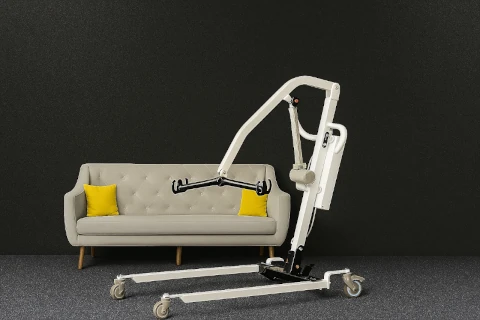
A sling patient lift uses a body-support accessory. A standing aid requires assessment of weight-bearing and participation. A floor lift chair addresses a seated height change; the historical term “dual-purpose” does not establish either of those other functions. List the actual tasks you need rather than requesting an undefined multipurpose device.
After a fall, assess the person first
Having lifting equipment does not mean a person should be moved after every fall. If injury, new pain or an uncertain condition is involved, seek appropriate professional or emergency assistance and base movement on assessment. For planned use, follow the manual’s load and seating checks. If the equipment stops, do not dismantle it or improvise a transfer; follow the trained assistance plan.
Buying and caring for the chair
Ask the quotation to identify the model, included items, training, delivery and service terms. Use model-specific charging instructions instead of a general trips-per-charge claim. Follow the instructions for seat cleaning, connection checks and worn-part replacement. Confirm upgrades, handset or battery availability and repair costs for that model; replacing parts does not authorise a change in load or height.
Describe the starting position, destination height, floor, caregiver space and support needs; identifying details or medical records are not required.
2
Assess suitability
Review the model, environment and user needs with a competent assessor.
3
Written proposal
Clarify the model, included items, preparation, costs and service terms before ordering.
4
Handover and training
Request operation checks, the model manual, user training and a maintenance plan at handover.
Questions, answered
Explore questions about choosing, using and maintaining this product.
No matching questions. Try another term or contact us.
Before purchase
Who is the floor lift chair suitable for?+
It may be assessed for someone needing help to rise from a low seated level. Reaching and remaining on the seat and the next transfer matter. After a fall, assess the person and possible injury before movement.
Does the device require installation?+
Use the model manual for setup, assembly and initial checks. Portability does not mean unconditional readiness or no training; assess the base and seat before use.
What is the weight capacity of this chair?+
Capacity comes from the model plate and technical sheet. Provide the person’s weight and equipment and also assess seating and body support; a load figure alone does not determine suitability.
How safe is using this chair?+
Use depends on the model, person, floor and assistance method. Risk-free operation cannot be guaranteed. Practical training, equipment checks and a stoppage assistance plan are needed before use.
Can it be used on all surfaces?+
No, suitability on every surface is not assumed. Assess soft flooring, carpet, slope, thresholds and moisture against model limits. Do not improvise pads or supports to compensate for instability.
How many times can the device be used per charge?+
The number depends on model, battery condition, load and use and needs model-specific evidence. Do not build a care plan around a general count or another model’s experience.
Is installment purchase available?+
Ask sales for current instalment terms, deposit, documents and the total payable for your order. A previous payment plan does not establish availability for every model or date.
What does the device warranty cover?+
Obtain the written warranty for the ordered model before purchase. Confirm the start and duration, covered components and battery, exclusions, visit costs and service provider. Terms for another model or an older page do not establish coverage for your order.
Is product delivery to all cities possible?+
Confirm delivery availability, packaging, cost and timing for the destination and ordered model. Nationwide or immediate delivery is not guaranteed by this page.
What is the material and build quality of the device?+
Request material and construction details for the model; appearance or a trade name does not establish material grade. Consider documentation, connections, cleanability and service together when assessing quality.
During use
How many lifts per charge is the device sufficient for?+
Lifts per charge are not a fixed value for every user. Follow the charging and battery-check instructions and confirm readiness before use.
Is the chair height adjustable?+
The model specification must identify minimum and maximum height and any stopping or adjustment function. Match them to the starting position and destination; photographs do not establish adjustability or fixed height.
Can the device be used in humid environments such as bathrooms?+
Wet-area use needs explicit permission in the model documentation. The floor-lift name or castors do not establish bathing use. Chargers and electrical parts have separate limits.
Does it require periodic service or lubrication?+
Follow the manual for servicing and permitted lubrication points. Assume neither no servicing nor general lubrication. Do not apply arbitrary substances to the drive, brakes or seat.
Does the device produce a lot of noise when operating?+
Assess the actual model in conditions similar to the intended setting or request measurement evidence. A generic decibel figure or a silent-operation promise is not a sound basis for selection. New or abnormal noise needs technical assessment.
Is the device control wireless or wired?+
Control type and supplied items depend on the ordered model. Assess user and caregiver reach and stopping. Do not add a similar-looking remote without compatibility approval.
Is using the device simple for elderly people?+
Ease of use depends on the person’s seating, control and help-seeking abilities, not age alone. Practical training on the delivered model and agreed assistance are needed before use.
Does the chair have special safety features?+
Request the model’s protective features and limits. Training should explain stopping, attachments and assistance during power loss. Do not assume every sensor or child lock is fitted across models.
Is the device suitable for heavy-weight individuals?+
The person must be within the model rating and have suitable seating and support. Reinforced-model availability or increased capacity needs evidence; a generic load margin does not replace correct selection.
What should be done if the device battery runs out mid-lift?+
Use the trained assistance procedure and avoid improvising a standing transfer or dismantling parts. Do not assume connecting a charger permits continued movement; learn power-loss and emergency procedures in advance.
After-sales service
What are the warranty conditions for the device?+
Obtain the written warranty for the ordered model before purchase. Confirm the start and duration, covered components and battery, exclusions, visit costs and service provider. Terms for another model or an older page do not establish coverage for your order.
What should I do if there is a fault or technical problem?+
Stop using faulty equipment and give support the model, serial number and symptoms or error code. Do not repeatedly test it with a user aboard, remove protection or attempt an improvised repair. The assessment determines the service method and timing.
Can the device be upgraded or exchanged later?+
Exchange or upgrade availability depends on the model, condition and current sales terms. Obtain written compatibility, cost and return or collection terms. A newer component does not authorise increased capacity or a different use.
How should the device be cleaned and maintained?+
Follow the manual and component labels for cleaning methods and permitted products; frame, seat and electrical components may differ. Do not assume water exposure is permitted. Remove or adjust parts only within the instructions.
How are spare parts for the device supplied?+
Provide the model, serial number and part details for compatibility assessment. Stock, price and supply time need confirmation when requested. Do not substitute lookalike parts or modify protective components without technical approval.
Does the device require regular servicing?+
Set inspection and servicing from the model instructions and conditions of use. Distinguish permitted user checks from technical work and retain service records. Stop using damaged, loose or abnormally operating equipment until it has been assessed.
How are out-of-warranty repair costs calculated?+
Request separate diagnosis, parts, labour and transport or travel costs. Agree the estimate and repair scope before work starts. An older page amount or another device’s repair bill is not a fixed tariff for your request.
Should the device be sent to a workshop for repair, or will a technician visit my home?+
Before shipping, agree whether transport is necessary, packaging, responsibility and costs with service staff. Do not dismantle fixed equipment or load-bearing parts yourself. On-site or workshop repair depends on the fault, model and local facilities.
If the wireless remote fails, can I get a replacement?+
Provide the model, serial number and part details for compatibility assessment. Stock, price and supply time need confirmation when requested. Do not substitute lookalike parts or modify protective components without technical approval.
Do you provide training on how to use and maintain the device?+
Request practical training and the manual for the delivered model. Users and assistants need to understand operation, pre-use checks, stopping and assistance during a problem. A general video does not replace training or an individual assessment.
See the product before choosing
Contact our team to see the equipment and discuss whether it suits your needs.

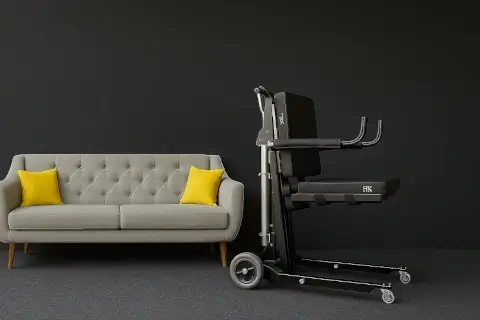 Image unavailable. Contact us to see this product.
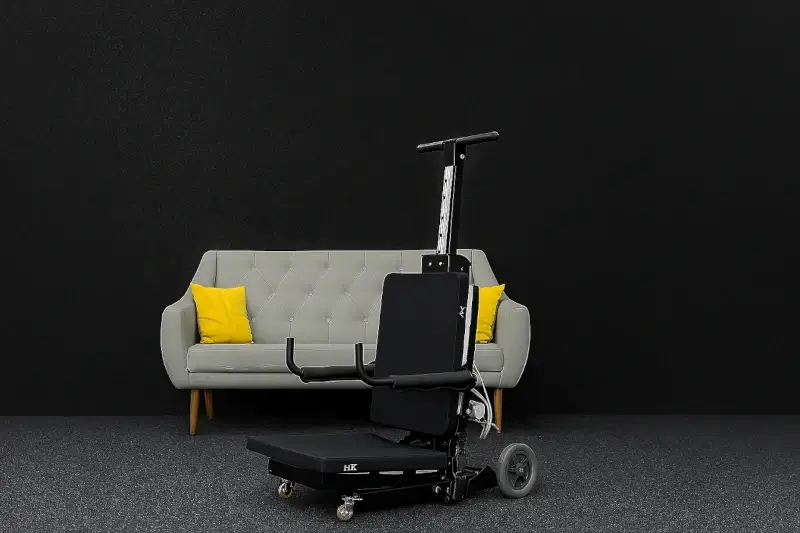 Image unavailable. Contact us to see this product.
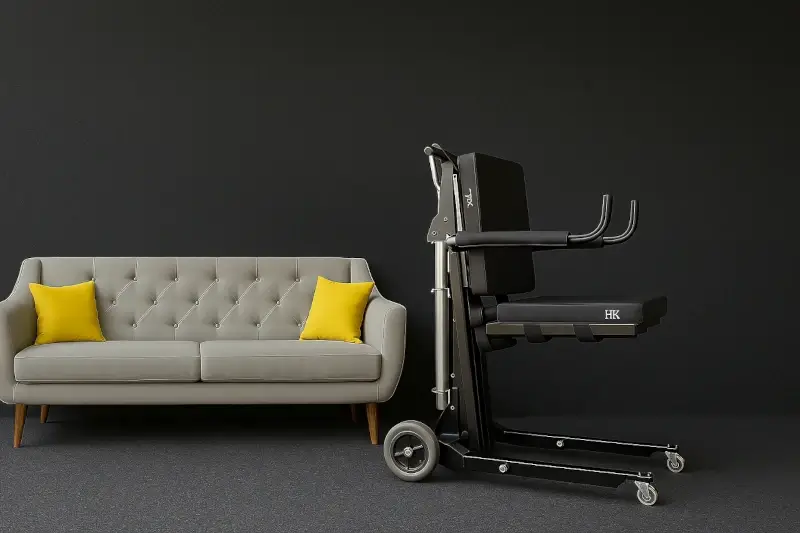 Image unavailable. Contact us to see this product.
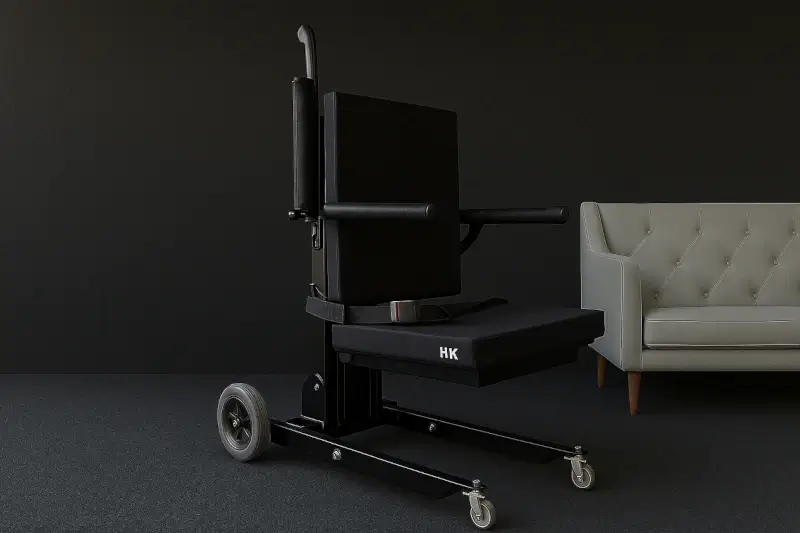 Image unavailable. Contact us to see this product.
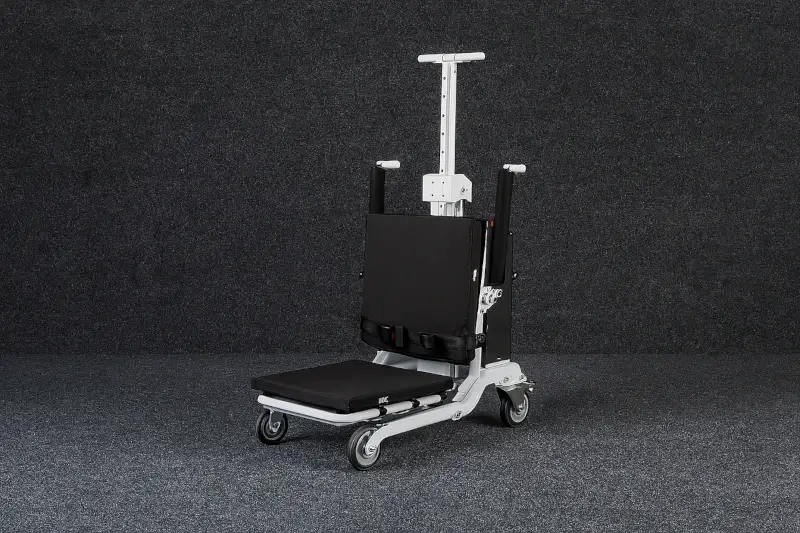 Image unavailable. Contact us to see this product.
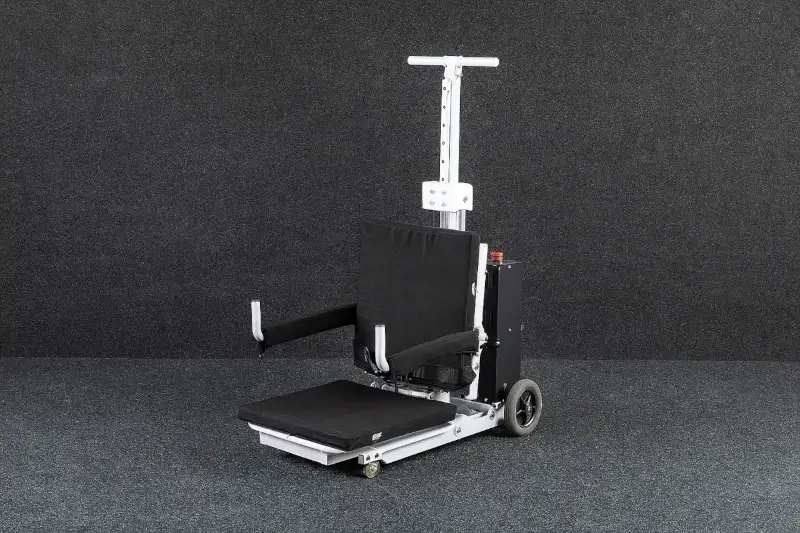 Image unavailable. Contact us to see this product.
View details

Your product review
Share your experience or ask a question.
Leave a comment
No published reviews yet. Be the first to share your experience.