Plan transfers, manoeuvring space and personal privacy together.
A portable toilet lift chair is considered for assisted movement and toilet access. Assess the seat, toilet arrangement, environment and individual needs before ordering.
Check door and turning space
Assess the existing toilet
Plan cleaning and privacy
Start with your needs
People needing assistance with toilet access
Assess seating comfort, transfer ability and personal preferences while respecting privacy and participation.
Caregivers at home
Assess your working space and access to the user alongside the chair’s turning route.
Households with a small bathroom
Measure door clearance, swing, threshold and toilet position; floor area alone is insufficient.
Care facility managers
Plan cleaning between users, equipment care and staff training before selecting the chair.
What matters when choosing this option?
Assess the whole route
Review the journey to the toilet and back in the actual home.
Consider the seat fit
Assess seat dimensions, body support and intended use alongside rated load.
Plan equipment cleaning
Check access to cleanable parts and the permitted disinfection method for the model.
Combine selection with training
Training should cover transfers, brakes and controls on the delivered equipment.
Understand the product and its use
Bathrooms are often among the most constrained rooms in a home. Passing through the door, approaching the toilet, transferring and caregiver assistance each require space. Assess the entire sequence: fitting the chair into the room does not establish that the user and caregiver can complete the task. A simple room and transfer plan is a useful starting point.
The current short catalogue name is Portable Toilet Chair and the historical page address remains. Existing images show the chair and wheeled base; they do not establish drive type, capacity or permission for shower use. Match the model and seat equipment to the proposal and manual. This chair is not automatically a substitute for a patient lift or floor-lifting aid.
Price and quotation scope
Contact for pricing
Confirm the model, included items and installation or delivery costs in the order proposal.
Review the seat, openings, supports, base and controls for the proposed model. Bedside transfer, positioning over a toilet and use with a receptacle each need permitted-use confirmation. Do not assume arm opening or height adjustment from similar images. Obtain the supplied-parts list and assembly or initial setup requirements before delivery.
Dimensions and conditions to match
Request overall width and depth, seat height, under-seat clearance and rated load. Record toilet height and shape, wall spacing and the user’s leg space. Obtain documented power or battery, protection and cleaning requirements. A protection rating or bathroom product name alone does not authorise direct washing, immersion or use in every damp environment.
Doorways, thresholds and caregiver access
Check the route with doors open and closed and consider parking or braking as required by the model instructions. Thresholds, slippery floors and small obstacles affect movement. Include corridors and turns if the chair comes from another room. Do not assume squat-toilet compatibility: positioning and support need assessment, without improvised platforms or supports.
Establish the person’s transfer needs
Assess sitting, participation in transfers, trunk support and cooperation with a caregiver. The method should not rely on pulling the person or loading components not intended for that purpose. Ask the assessor to specify assistance and the method. A chair’s simple appearance does not remove the need for individual assessment and practical training.
Toilet chair, shower chair or patient lift?
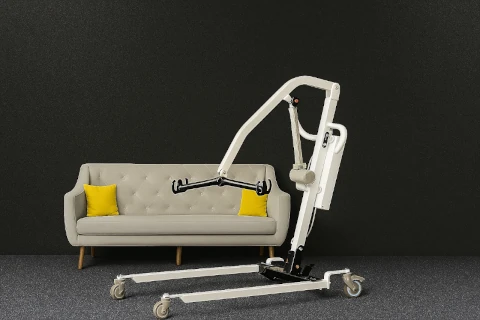
Toilet use and shower exposure are different applications. A sling patient lift is assessed for a different form of support and transfer. If the chair seat cannot meet the person’s support needs, discuss another option with the care team. Replace an undefined “one device for everything” request with a list of tasks so each device’s limitations are clear before purchase.
Cleaning and use around moisture
Use the manual for cleaning products, removable parts and readiness for reuse. Do not assume water exposure of electrical components or the charger is permitted; choose the charging location as instructed. Check seat, attachments and castors under the training. Stop use if there is looseness, damage or abnormal movement and seek technical advice rather than modifying brakes or improvising a repair.
Compare cost and service arrangements
Identify the model, seat equipment, accessories, training and delivery in the quotation. Match any listed price to the included scope. Clarify component and battery warranty terms, service costs in your location and consumable parts. If instalments or a future exchange matter, request current written terms; these are not fixed features of every order.
Tell us the toilet type and height, door clearance, turning space, transfer origin and assistance needed.
2
Assess suitability
Review the model, environment and user needs with a competent assessor.
3
Written proposal
Clarify the model, included items, preparation, costs and service terms before ordering.
4
Handover and training
Request operation checks, the model manual, user training and a maintenance plan at handover.
Questions, answered
Explore questions about choosing, using and maintaining this product.
No matching questions. Try another term or contact us.
Before purchase
Which patients is this lift suitable for?+
Suitability depends on sitting, transfer method, body support and bathroom conditions. Assess the person’s needs with a care assessor and model specifications; a diagnosis alone does not decide.
Can this lift be used in a traditional (squat) toilet?+
Squat-toilet compatibility needs assessment for the model and site. Match seat, base and user support to the actual arrangement; do not improvise a platform to make it fit.
Can this device be used at home?+
Home use can be assessed against the person and bathroom. Measure the door route, threshold, toilet position and caregiver space; a home-use label does not mean every bathroom is suitable.
How much space do I need for the lift?+
Assess operating dimensions, turning space, toilet and caregiver space together. Room size alone is insufficient; door swing and route obstructions also matter.
What is the maximum user weight for this lift?+
Use the selected model’s plate and specifications. Assess weight, seating dimensions and support needs together; another model’s rating or an improvised increase is not valid.
Does it need mains power or does it work with a battery?+
Obtain the model’s supply and charger requirements, electrical setup and power-loss behaviour. Do not assume a battery, a number of journeys or operation while charging. Connect and prepare the equipment only as instructed.
Does the device need installation or assembly?+
Follow the manual for assembly, adjustment and initial checks and verify delivered items. Castors do not remove setup or training requirements.
Is the device waterproof?+
Permitted water exposure must be stated in model documentation. Bathroom use does not establish waterproofing, shower use or direct washing of electrical parts. Check cleaning instructions separately.
What items are included with the device?+
Specify the chair, seat equipment, accessories and manual in the purchase proposal. A charger, remote or receptacle is included only when explicitly listed.
Is installment purchase available?+
Ask sales for current instalment terms, deposit, documents and the total payable for your order. A previous payment plan does not establish availability for every model or date.
Frequently Asked Questions During Use
What points should I consider when using the product?+
Follow model training for transfer, castors and brakes, seating and controls. Assess the floor and route too; use should respect privacy and comfort with appropriate assistance.
Can I use the product continuously?+
Check duty and any drive rest requirements in the model manual. Permitted daily use does not mean unlimited continuous operation.
How should I clean the product?+
Follow the manual and component labels for cleaning methods and permitted products; frame, seat and electrical components may differ. Do not assume water exposure is permitted. Remove or adjust parts only within the instructions.
Does long-term use cause any problems?+
The person’s needs and equipment condition can change. Reassess seating comfort, transfers and wear; trouble-free long-term use cannot be promised without review.
Does the product require service or maintenance?+
Set inspection and servicing from the model instructions and conditions of use. Distinguish permitted user checks from technical work and retain service records. Stop using damaged, loose or abnormally operating equipment until it has been assessed.
Is the product suitable for everyone?+
No universal suitability is assumed. Assess body support, participation and transfers. If the seat cannot provide appropriate support, review another option with the care team.
What should I do if a problem occurs during use?+
Stop using faulty equipment and give support the model, serial number and symptoms or error code. Do not repeatedly test it with a user aboard, remove protection or attempt an improvised repair. The assessment determines the service method and timing.
Can I use the product in special conditions (e.g., high temperature or humidity)?+
Use model documentation for temperature, humidity and operating limits. Do not assume use outside those limits or unsuitable charger placement is permitted; assess storage and cleaning too.
Does using the product require training?+
Request practical training and the manual for the delivered model. Users and assistants need to understand operation, pre-use checks, stopping and assistance during a problem. A general video does not replace training or an individual assessment.
Does the product come with a warranty?+
Obtain the written warranty for the ordered model before purchase. Confirm the start and duration, covered components and battery, exclusions, visit costs and service provider. Terms for another model or an older page do not establish coverage for your order.
After-sales service
Does the toilet lift chair come with a warranty?+
Obtain the written warranty for the ordered model before purchase. Confirm the start and duration, covered components and battery, exclusions, visit costs and service provider. Terms for another model or an older page do not establish coverage for your order.
What should I do if the device breaks down?+
Stop using faulty equipment and give support the model, serial number and symptoms or error code. Do not repeatedly test it with a user aboard, remove protection or attempt an improvised repair. The assessment determines the service method and timing.
How are spare parts for the device supplied?+
Provide the model, serial number and part details for compatibility assessment. Stock, price and supply time need confirmation when requested. Do not substitute lookalike parts or modify protective components without technical approval.
Can I exchange or upgrade the device later?+
Exchange or upgrade availability depends on the model, condition and current sales terms. Obtain written compatibility, cost and return or collection terms. A newer component does not authorise increased capacity or a different use.
How is training on using the device provided?+
Request practical training and the manual for the delivered model. Users and assistants need to understand operation, pre-use checks, stopping and assistance during a problem. A general video does not replace training or an individual assessment.
Is after-sales service available in my city as well?+
State the equipment location, model and service needed. Confirm whether a visit, parts delivery or workshop work is available and what travel costs apply. Do not assume permanent coverage everywhere or an immediate visit.
Until what time is phone support available?+
Use this page’s phone number or form and provide the model, location and issue. Avoid unnecessary identifying information or medical records. Submitting a message does not establish immediate or round-the-clock support.
Does the device require periodic servicing?+
Set inspection and servicing from the model instructions and conditions of use. Distinguish permitted user checks from technical work and retain service records. Stop using damaged, loose or abnormally operating equipment until it has been assessed.
How are out-of-warranty repair costs calculated?+
Request separate diagnosis, parts, labour and transport or travel costs. Agree the estimate and repair scope before work starts. An older page amount or another device’s repair bill is not a fixed tariff for your request.
Do you offer post-purchase consultation?+
Use this page’s phone number or form and provide the model, location and issue. Avoid unnecessary identifying information or medical records. Submitting a message does not establish immediate or round-the-clock support.
See the product before choosing
Contact our team to see the equipment and discuss whether it suits your needs.

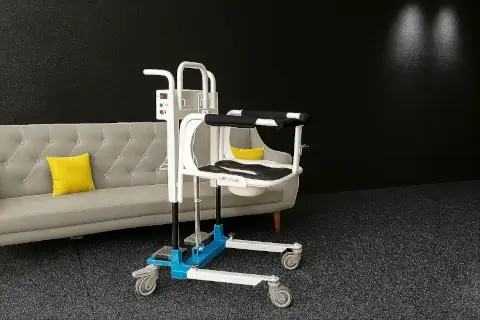 Image unavailable. Contact us to see this product.
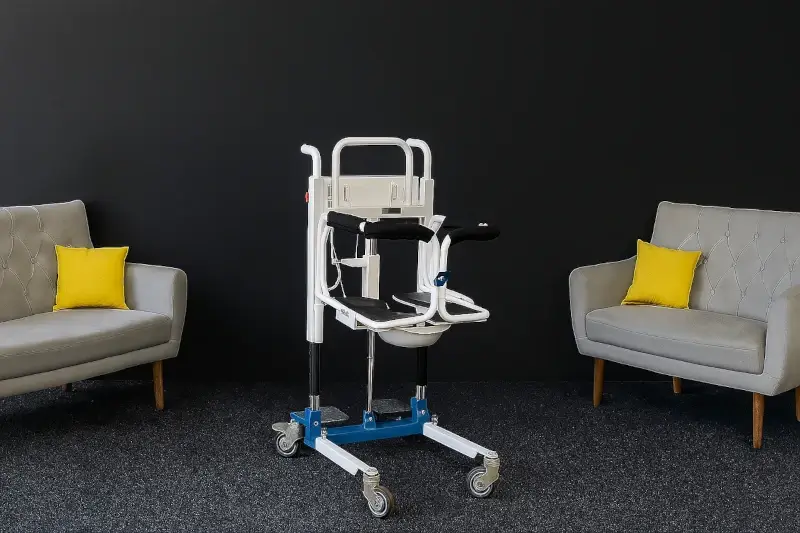 Image unavailable. Contact us to see this product.
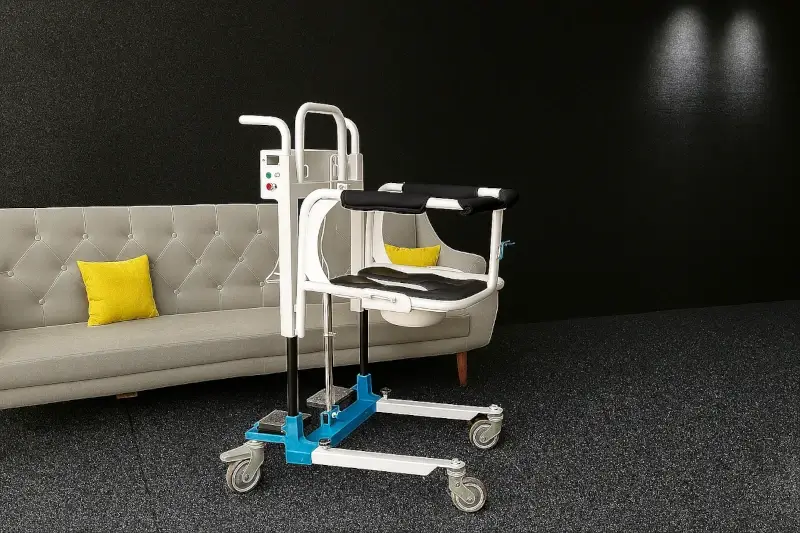 Image unavailable. Contact us to see this product.
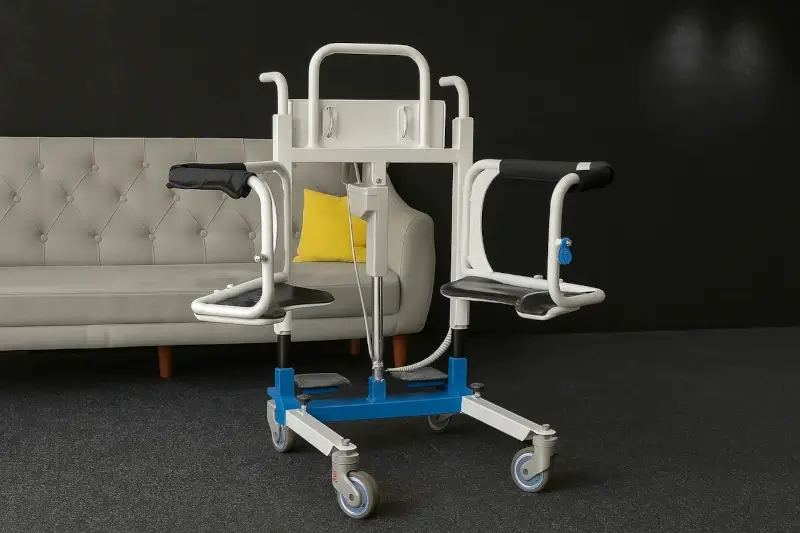 Image unavailable. Contact us to see this product.
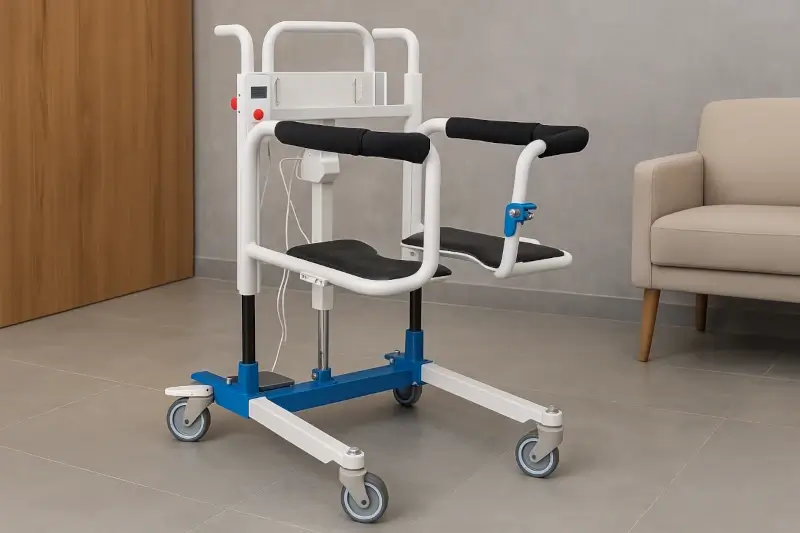 Image unavailable. Contact us to see this product.
View details
Your product review
Share your experience or ask a question.
Leave a comment
No published reviews yet. Be the first to share your experience.